 EN
EN

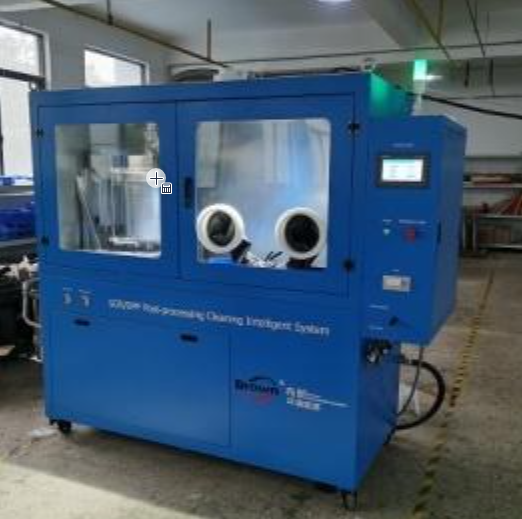
Understanding the Critical Role of DPF Maintenance
The Diesel Particulate Filter is a vital component in modern diesel engines, tasked with capturing harmful soot and emissions. Over time, this filter becomes clogged, leading to reduced engine performance, decreased fuel economy, and potential costly damage if ignored. For any workshop servicing diesel vehicles, having an effective DPF cleaning solution is not just an option; it is a necessity for maintaining customer satisfaction and operational efficiency. Choosing the correct DPF cleaner for your specific workshop needs is a crucial decision that impacts your service quality, turnaround time, and overall profitability. This guide will help you navigate the key factors to consider when selecting the ideal equipment.
Evaluating Primary Cleaning Methods
The first step in selecting a DPF cleaner is understanding the different cleaning technologies available. The two main methods are chemical cleaning and thermal cleaning. Chemical cleaning involves using specialized solvents and sprays to break down the soot and ash deposits. This method is often used for lighter cleaning tasks or as part of a maintenance program. Thermal cleaning, also known as bake and blow, uses high temperature ovens to burn off soot followed by an air pulse to remove residual ash. This method is more thorough and is essential for heavily clogged filters. Many advanced systems now combine both methods, using a chemical pre treatment before a thermal cycle for a comprehensive clean that restores the DPF to near original condition.
Key Equipment Features and Specifications
When comparing different DPF cleaning machines, several technical specifications demand attention. Consider the machine’s capacity and size range; can it accommodate the variety of DPF units from small passenger cars to large commercial trucks that your workshop services? The cleaning cycle time is another critical factor. Faster cycles allow for higher throughput, meaning you can service more vehicles per day. Look for features like automated cycles, digital controls, and data logging capabilities which enhance ease of use and ensure repeatable results. Also, assess the machine’s consumption of utilities like electricity, compressed air, and cleaning chemicals, as this directly affects your operating costs. A robust machine built with durable components will offer better longevity and a higher return on investment.
Integrating the Cleaner into Your Workshop Workflow
The best DPF cleaner is one that fits seamlessly into your existing workshop workflow. Consider the physical footprint of the equipment. Do you have adequate floor space? Evaluate the required supporting infrastructure, such as electrical outlets and compressed air lines. The skill level required to operate the machine is also important. User friendly interfaces with preset programs can minimize training time and reduce the chance of operator error. Furthermore, think about the ancillary processes. Does the cleaning process create fumes that require an extraction system? How is the waste residue disposed of? Choosing a system that addresses these practical concerns will ensure a smooth integration and efficient operation.
Making the Final Decision for Your Business
The final choice should be a balance between performance, cost, and your specific business model. Establish a clear budget that considers not only the initial purchase price but also the long term operational and maintenance costs. Research the reputation of the manufacturer and the availability of technical support and spare parts. A reliable after sales service is invaluable. For many workshops, investing in a combination thermal and chemical cleaning machine offers the greatest versatility and cleaning power, future proofing the business against increasingly stringent emissions standards. By carefully weighing the cleaning methods, equipment features, and workflow integration, you can select the perfect DPF cleaner that will enhance your service offerings and drive your workshop’s success for years to come.