 EN
EN

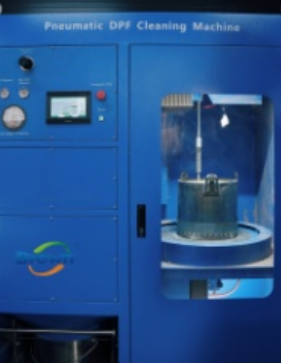
Core Selection Criteria for DPF Cleaning Equipment
Throughput vs. Speed: Balancing Volume and Cycle Time for Shop Efficiency
When choosing equipment, make sure it matches what the shop actually deals with on a regular basis. For workshops that handle five or more DPF filters each day, getting something that can complete a cycle within two hours is pretty much essential if they want to get things done the same day. The problem with slower machines? They just clog up operations. Some studies have found that when cycle times go over three hours, overall workshop productivity drops around forty percent according to research from Ponemon back in 2023. But here's the catch: going fast isn't worth much if it means poor results. Really good high volume units should still manage to remove at least ninety five percent of those pesky particles. And this needs proper verification too, like running them through the standard ISO 5011 airflow tests to check performance claims.
Total Cost of Ownership: Factoring in Equipment, Consumables, Maintenance, and Labor
Look beyond the sticker price. Calculate lifetime expenses:
- Consumables: Chemical solutions averaging $15–$30 per filter
- Utilities: Thermal regenerators consume 15–25 kWh per cycle
-
Labor: Complex systems require 1.5 technician-hours versus 0.5 hours for automated units
Equipment failure costs shops $740k annually in downtime (Ponemon 2023). Invest in units with sealed bearings and corrosion-resistant tanks to minimize maintenance.
Ease of Operation and Technician Training Requirements
Opt for intuitive interfaces with preset cleaning programs. Systems requiring fewer than 4 manual adjustments reduce technician errors by 67%. Prioritize:
- Touchscreen controllers with visual diagnostics
- Automated chemical dosing
- Error-proof filter loading guides
Training time drops from weeks to days when equipment includes integrated tutorials. Untrained staff risk damaging 1 in 5 filters–a preventable $2,200 average replacement cost.
DPF Cleaning Technologies Compared: Aqueous, Thermal, and Mechanical Methods
Aqueous Systems: pH-Optimized Cleaning with Filtration Recirculation
Diesel particulate filter operators typically soak DPFs in specially formulated detergents that balance pH levels just right to break down soot and other buildup without harming the delicate cordierite or silicon carbide materials inside. Better quality equipment actually recycles the cleaning solution instead of just letting it run off, which cuts down on water usage somewhere around 70% when compared with older single pass systems. After soaking, many shops use automated pressure washers to blast through those stubborn clogs in the filter channels. Most medium duty filters get back to full airflow capacity within about an hour and a half give or take depending on how bad they were plugged up. The top end machines now come with built in sensors that keep track of water quality as it gets reused cycle after cycle, making sure each cleaning job works as well as the last one even after dozens of repetitions.
Thermal and Ultrasonic Cleaning: Precision Soot Oxidation and Cavitation Benefits
Thermal regeneration chambers work by burning off built-up soot using heat cycles around 500 to 600 degrees Celsius. The whole process takes about six to eight hours when factoring in cooling down time, but it gets most of the airflow back to normal levels even in really clogged DPFs, somewhere between 95% and 98%. For those tricky cases where regular cleaning won't cut it, there are ultrasonic systems that shake things loose with sound waves in special chemical solutions. These vibrations create tiny bubbles that actually get into the microscopic pores of the filter material, knocking out stubborn ash deposits that water just can't reach. Research shows these ultrasonic cleaners take care of about 92% of metal ash particles, plus they cause 40% fewer cracks in the filter substrate compared to mechanical scrubbing techniques. That makes them especially good for delicate ceramic filters that need extra gentle handling.
Filter Compatibility and Performance Validation for DPF Cleaning Equipment
Matching Equipment to DPF Substrate (Cordierite, SiC, Metal Fiber) and Cell Density
Getting the right DPF cleaning gear depends heavily on matching it with the correct substrate type to avoid causing damage. For example, cordierite filters that we often find in lighter duty vehicles need gentle washing at pressures below 100 psi since they tend to crack otherwise. Silicon carbide or SiC substrates can handle hotter conditions but still require careful temperature management when going through regeneration processes. When dealing with metal fiber filters, technicians must use specific chemicals designed to break down metallic soot particles without eating away at the filter material itself. Another important factor is cell density measurements ranging from around 200 to 400 CPSI. Filters with higher cell counts generally take longer soak times because cleaning solutions need more time to reach deeper into the structure. According to field data collected across various workshops, using incompatible cleaning equipment cuts effectiveness anywhere between 30% and half, which underscores why following proper substrate guidelines remains so critical for successful maintenance operations.
Measuring Effectiveness: Airflow Recovery Rate, Weight Loss, and Light Penetration Testing
Validating cleaning performance relies on three quantifiable metrics:
- Airflow recovery rate: Post-cleaning flow must reach ≥95% of OEM specifications to prevent engine derating
- Weight loss: Ash removal should exceed 85% of pre-cleaning particulate mass, with benchmarks showing 40g+ reductions in heavily loaded filters
-
Light penetration testing: Visual confirmation of channel clarity using calibrated light sources identifies residual blockages
Standardized testing protocols reveal that filters passing all three metrics demonstrate 99% fewer regeneration issues during subsequent operation.
Integrated vs. Modular DPF Cleaning Equipment: Scalability and ROI Considerations
When it comes time to pick between integrated and modular DPF cleaning equipment, businesses really need to think carefully about what works best for their specific needs. Integrated systems are basically one-stop shops that cost less at first glance, which makes them great for workshops where the cleaning workload stays pretty much the same day after day. On the flip side, modular setups come with a bigger price tag right off the bat, somewhere around $16k to $46k depending on what's included. But here's the thing about those modular options they let companies grow gradually by adding pieces as needed, whether that means throwing in an ultrasonic chamber or getting a new drying unit later down the road. This kind of flexibility actually saves money over time when expanding operations because there's no need for another full system purchase. Looking at return on investment, most folks find that modular equipment starts paying for itself quicker too usually hitting break even point within about a year and half thanks to cheaper running costs maybe as little as ten bucks per filter cleaned and less mess with equipment shutdowns during maintenance periods. And when we look at how well these systems handle changing market demands plus keeping up with regulatory requirements, studies from the industry show that modular designs end up delivering roughly 23 percent more value throughout their entire lifespan compared to traditional approaches.