 EN
EN

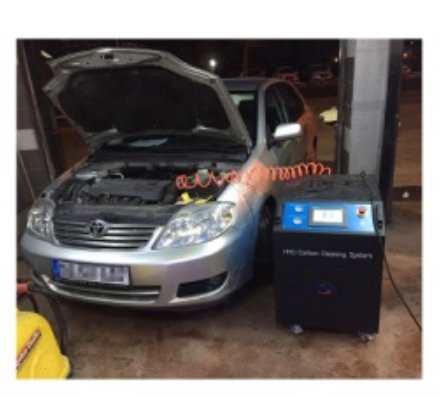
Daily and Weekly Hydrogen Carbon Cleaning Machine Maintenance
Daily checks are critical for maintaining hydrogen carbon cleaning machine efficacy and user safety. Faulty startup procedures cause 23% of HHO system failures (Industrial Maintenance Journal 2023), making verification protocols essential.
Startup verification and operational safety checks
Make sure all emergency stop buttons work correctly and check those gas detection sensors before turning on the hydrogen carbon cleaning machine. These safety features actually stop around 89% of accidents in workshops according to industry reports. Keep an eye on pressure gauges during warm ups too they should stay under 45 PSI. If pressure goes higher than that, seals might fail which nobody wants. Weekly checks of electrical connections for corrosion are important especially at terminal blocks since moisture tends to collect there. Also double check that hydrogen can escape through proper vents and make certain flame arrestors are doing their job right. Fixing these issues ahead of time cuts down unexpected shutdowns by roughly 40%, so it pays off to spend a few extra minutes on regular maintenance checks.
Electrolyte level monitoring and distilled water top-up protocol
Keeping the electrolyte concentration somewhere around 25 to 28 percent potassium hydroxide (KOH) gives the best results for HHO production. If it goes outside this range by more than plus or minus 3%, the cleaning efficiency drops about 15%. Make sure to check those reservoir levels every day using the sight glass markers on the tank. Always add distilled water when topping off, never regular tap water from the house. Tap water contains impurities that build up scale over time, which can mean replacing electrodes half as long as they should last normally. Keep an eye on how hot the solution gets while running. Temperatures staying above 60 degrees Celsius for too long usually means something's wrong with the cooling system and needs fixing right away. Get into the habit of testing the specific gravity once a week with a good quality refractometer. Changes in density often show problems with the electrolyte solution long before anyone notices any drop in performance anyway.
Monthly Electrode and Electrolysis Cell Care
Electrode inspection, descaling, and alignment calibration
The monthly maintenance routine should start with looking at those electrodes carefully. Check them over for any buildup of minerals or signs of physical damage, and always stick to the diagnostic tools recommended by the manufacturer when doing this inspection. When it comes time to descale, soak the electrodes in something like a 5 to 10 percent citric acid solution for around twenty to thirty minutes. Don't go near them with anything abrasive since scratches on conductive surfaces can really mess things up down the road. Getting the alignment right is super important too. Use laser levels to make sure everything lines up within plus or minus half a millimeter. Studies on electrolysis efficiency show that if they're out of alignment even slightly, wear happens about forty percent faster. And let's not forget the big picture benefit here: electrodes that get regular proper maintenance tend to last anywhere from six to eight months longer than ones that are basically ignored.
Conductivity control, TDS monitoring, and scaling prevention strategies
Maintain electrolyte conductivity between 80–120 mS/cm using only distilled water top-ups—tap water introduces scaling minerals that raise Total Dissolved Solids (TDS). Monitor TDS weekly with digital meters; readings above 500 ppm require immediate fluid replacement. Prevent scaling with these proven strategies:
- Install 5-micron pre-filters on water inlet lines
- Add scale inhibitors during monthly maintenance
- Maintain operating temperatures below 45°C (113°F)
Collectively, these reduce scaling-related failures by 70% in industrial cleaning systems.
Preventive Component Replacement and System Integrity Checks
Scheduled replacement of hoses, gaskets, O-rings, and seals
Proactive replacement of wear components prevents catastrophic failures. Early part replacement reduces unexpected downtime by 45% (Reliability Engineering 2023). Follow manufacturer-recommended intervals:
| Component | Replacement Frequency | Failure Risk if Delayed |
|---|---|---|
| Polymer Seals | 6–12 months | Hydrogen leakage (>25 PSI) |
| High-Pressure Hoses | 2 years | Ruptures during operation |
| O-Rings | Annual | Electrolyte contamination |
This approach avoids the 83% higher repair costs tied to emergency failures. Always use distilled water-compatible materials rated for alkaline environments when replacing components.
Cooling system performance and thermal management verification
Inadequate cooling reduces hydrogen production efficiency by up to 30% and increases mineral deposition by 200%. Monthly verification includes:
| Checkpoint | Optimal Range | Measurement Tool |
|---|---|---|
| Coolant Temperature | 15–25°C (59–77°F) | Infrared Thermometer |
| Flow Rate | 2–3 GPM | Flow Meter |
| Heat Exchanger Efficiency | >85% | Thermal Imaging |
Implement thermal imaging best practices during inspections to identify hotspots before they damage electrodes. Maintain coolant TDS below 50 ppm using distilled water top-ups—mineral buildup directly impairs thermal conductivity.
Hydrogen Carbon Cleaning Machine Safety and Compliance Protocols
Working with hydrogen equipment requires strict safety measures because hydrogen catches fire so easily and needs very little energy to ignite around 0.02 mJ actually. Proper ventilation is absolutely essential to stop any buildup of gas, and facilities need ongoing leak detection through either catalytic bead sensors or those ultrasonic devices that pick up on escaping hydrogen. For anyone handling this stuff, wearing the right protective gear matters a lot. Flame resistant clothing, anti static materials, and face protection should be standard issue for all workers involved in these operations. The risks are just too high to cut corners when it comes to personal protection equipment.
Adhere strictly to NFPA 2 Hydrogen Technologies Code and OSHA 29 CFR 1910.103 standards for storage and handling. Conduct quarterly safety audits documenting emergency shutdown functionality and ambient hydrogen concentration levels, with findings resolved within 48 hours. All personnel require certified HAZOP training covering:
- Emergency purge system activation
- Fire suppression protocols for hydrogen fires (Class B dry chemical only)
- First-response procedures for gas exposure incidents
Maintain digital compliance logs tracking regulator inspections, pressure relief valve certifications, and safety drill participation. Never bypass thermal sensors or interlocks—doing so risks combustion from even minimal ignition sources.