 EN
EN

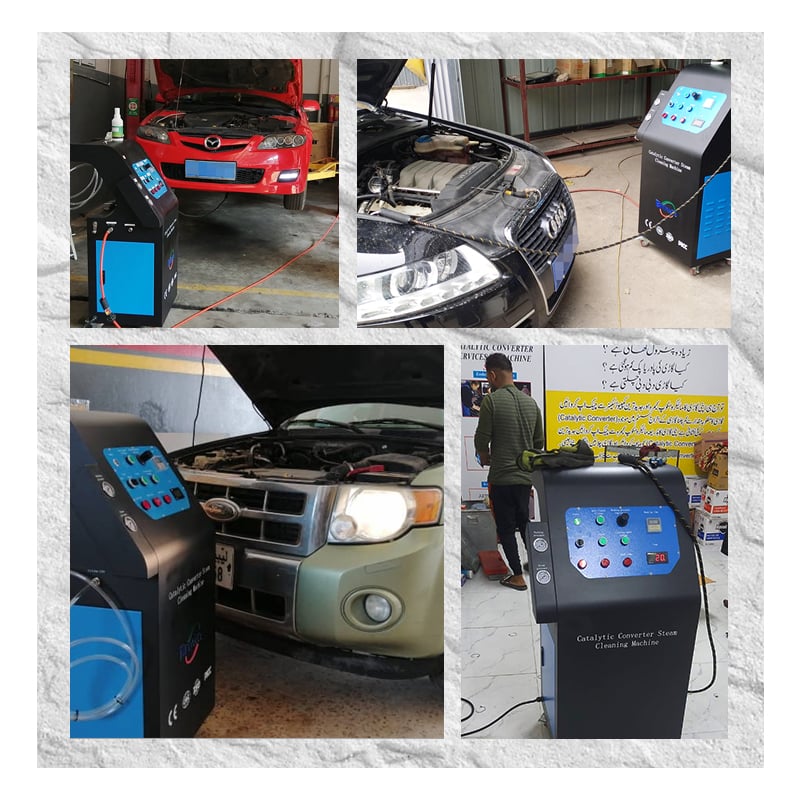
Understanding Catalytic Converter Cleaning Methods and Their Purpose
A catalytic converter plays an important role in reducing harmful exhaust emissions by converting pollutants into less harmful gases. Over time, carbon deposits, soot, oil ash, and combustion by-products may accumulate inside the converter substrate, reducing exhaust flow and affecting emission performance.
Catalytic converter cleaning machines are designed to help remove certain types of deposits without replacing the entire exhaust component. Professional cleaning equipment generally uses two main approaches: ultrasonic cleaning and chemical circulation cleaning.
Ultrasonic cleaning uses high-frequency vibration in a cleaning solution to loosen contaminants attached to internal surfaces. The process helps remove accumulated deposits while reducing the need for mechanical contact with the fragile ceramic structure.
Chemical circulation systems use specially designed cleaning fluids that flow through the converter channels. These solutions help dissolve or loosen deposits, allowing contaminants to be removed during the cleaning process.
Some advanced cleaning systems combine different cleaning methods to improve deposit removal while protecting the catalyst substrate.
Potential Risks When Using a Catalytic Converter Cleaning Machine Incorrectly
Although catalytic converter cleaning equipment can improve exhaust system maintenance efficiency, incorrect operation may damage the converter.
Several factors require careful control:
Excessive Pressure
Ceramic catalyst substrates are fragile, especially after long-term exposure to high exhaust temperatures. Excessive cleaning pressure may crack the honeycomb structure and reduce converter performance.
Incorrect Cleaning Chemicals
Not all cleaning agents are suitable for catalytic converters. Aggressive chemicals may damage the catalyst coating or leave residues that affect future operation.
Improper Temperature Control
Extreme temperature changes can create thermal stress inside the converter. Professional equipment should operate according to manufacturer recommendations to reduce the risk of damage.
Before cleaning, technicians should evaluate the converter condition, contamination type, and possible root causes of failure.
Safe Cleaning Process for Catalytic Converter Maintenance
A proper cleaning procedure normally begins with diagnosis before equipment operation.
Initial Inspection
Technicians should check:
- Diagnostic trouble codes such as P0420 or P0430
- Oxygen sensor data
- Exhaust system condition
- Signs of overheating or physical damage
This helps determine whether cleaning is suitable or whether replacement is required.
Controlled Cleaning Operation
During cleaning, operators should follow equipment guidelines regarding:
- Cleaning solution selection
- Pressure settings
- Temperature control
- Circulation time
Monitoring operating conditions helps prevent unnecessary stress on the converter.
Safety and Waste Handling
Cleaning chemicals and removed deposits should be handled according to workplace safety procedures and local environmental requirements.
Proper ventilation and personal protective equipment are recommended during professional cleaning operations.
Post-Cleaning Inspection and Performance Verification
Cleaning success should be evaluated through testing rather than visual appearance alone.
Common verification methods include:
- Checking diagnostic trouble codes
- Reviewing oxygen sensor performance
- Monitoring exhaust system operation
- Confirming normal engine performance
If fault codes return after cleaning, the root cause may involve issues such as:
- Excessive oil consumption
- Fuel system problems
- Engine misfire
- Internal catalyst damage
A cleaning machine can restore performance when deposits are the main issue, but it cannot repair a physically damaged catalyst.
Why Professional Catalytic Converter Cleaning Equipment Is Recommended
Catalytic converters are precision emission-control components. Their internal structures require careful handling during cleaning.
Professional catalytic converter cleaning machines provide advantages such as:
- Controlled cleaning conditions
- Consistent fluid circulation
- Reduced risk of substrate damage
- Improved maintenance efficiency for workshops
For automotive service centers and fleet maintenance providers, proper cleaning equipment can become an effective solution for extending exhaust system service life and reducing unnecessary replacement costs.
FAQ
What does a catalytic converter cleaning machine do?
A catalytic converter cleaning machine removes accumulated deposits from the converter system using controlled cleaning methods designed to improve exhaust flow and maintain emission performance.
Can every catalytic converter be cleaned?
No. Cleaning is more suitable for converters affected by deposits. Units with melted substrates, physical damage, or severe deterioration may require replacement.
What causes catalytic converter blockage?
Common causes include carbon buildup, oil ash accumulation, fuel-related contamination, and engine problems that increase exhaust deposits.
Is catalytic converter cleaning safe?
When performed with suitable equipment and correct procedures, professional cleaning can be a safe maintenance method. Incorrect pressure, chemicals, or operation methods may cause damage.
How can technicians confirm cleaning effectiveness?
Technicians can use diagnostic tools, sensor data, and exhaust system checks to evaluate whether converter performance has improved.
Table of Contents
- Understanding Catalytic Converter Cleaning Methods and Their Purpose
- Potential Risks When Using a Catalytic Converter Cleaning Machine Incorrectly
- Safe Cleaning Process for Catalytic Converter Maintenance
- Post-Cleaning Inspection and Performance Verification
- Why Professional Catalytic Converter Cleaning Equipment Is Recommended
- FAQ
- What does a catalytic converter cleaning machine do?
- Can every catalytic converter be cleaned?
- What causes catalytic converter blockage?
- Is catalytic converter cleaning safe?
- How can technicians confirm cleaning effectiveness?