 EN
EN

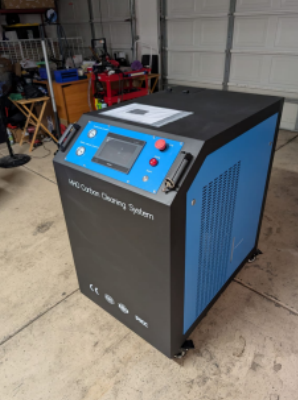
How Hydrogen Carbon Cleaning Machines Work and Why Workshops Are Adopting Them
The science behind hydrogen-based engine decarbonisation
Hydrogen carbon cleaning devices work by using electrolysis to break down distilled water into hydrogen-oxygen gas, commonly known as HHO. This gas gets fed into the engine through the air intake system while the vehicle is running. When inside the combustion chamber, the hydrogen interacts with carbon deposits at temperatures exceeding 300 degrees Celsius, turning those deposits into water vapor and small amounts of CO2. Both substances simply exit through the exhaust pipe. What makes this method so effective is that it can clean important parts like pistons, valves, and fuel injectors all without taking anything apart. Compared to traditional chemical cleaners, there's nothing left behind after treatment, and there's no risk of harming delicate engine components either. Most treatments take about half an hour and help restore lost compression and better combustion performance. Many auto shops are starting to invest in this technology because they see how well it tackles carbon buildup problems that come from today's engine designs, especially those with direct fuel injection systems and cars that frequently start and stop during daily driving.
Preventative maintenance benefits: extending engine life and reducing warranty claims
Hydrogen decarbonization regularly extends engine life by clearing out those pesky carbon deposits that form hot spots, mess with heat transfer, and wear down piston rings and valve seats over time. Engines that stay clean show real benefits too, with fuel efficiency typically going up between 5 to 12 percent while emissions drop off. Workshops see fewer headaches when they prevent carbon problems like stuck EGR valves or turbochargers acting up, which cuts down on warranty work dramatically. Fleet managers have noticed around 30% fewer engine troubles coming back after making hydrogen treatments part of their regular maintenance schedule. Many shops now package this service with standard oil changes, boosting both vehicle reliability and creating steady income streams. This approach actually saves money in the long run for customers who want to avoid expensive repairs down the road.
Cost-Effectiveness Analysis of a Hydrogen Carbon Cleaning Machine
Upfront investment, operating costs, and breakeven timeline
The price range for hydrogen carbon cleaning machines runs from around $1,700 all the way up to about $5,000 these days, according to what we've seen in the marketplace as of late 2023. Running one isn't too bad either since the main costs are just distilled water and electricity, coming out to under three bucks per job. That's a huge difference when compared to traditional chemical methods which can set businesses back over $100 each time. Most shops find they start making money back pretty quickly too. If they do anywhere from three to five cleanings daily, the machine usually pays for itself somewhere between four and seven months later. There was even this shop in Europe that managed to get their investment back in only 14 weeks thanks to smart scheduling practices and keeping technicians busy throughout the day.
Real-world ROI: workshop case data on service volume, pricing, and payback period
Workshops that have started using hydrogen cleaning methods are seeing about 22 percent better profits on each service they perform. The going rate for these treatments typically ranges from around eighty to one hundred twenty dollars for about forty-five minutes of work. Looking at data from thirty-seven independent shops over twelve months shows some interesting results. Shops doing fifteen or more cleanings per week saw their engine warranty claim rates drop by roughly thirty-four percent. These same businesses reported getting back nearly three times what they invested annually. When it comes to fleet maintenance agreements, there's another angle worth mentioning. Many repair centers find that when they bundle carbon cleaning with regular maintenance packages, customers tend to say yes about forty percent more often than before. Most equipment owners tell us their investment starts paying off after handling about one hundred fifty vehicles, so the money coming in happens pretty quickly and keeps coming too.
Hydrogen Carbon Cleaning Machine vs. Traditional Chemical Decarbonisation Methods
Efficiency, safety, environmental compliance, and technician time savings
When it comes to cleaning engines, hydrogen carbon technology definitely beats out those old-school chemical approaches. Most HHO systems can get an engine clean in just 90 to 120 minutes flat, while the traditional way takes anywhere from 8 to 12 long hours involving taking everything apart manually and then running those harsh chemicals through. No more worrying about workers getting exposed to those nasty corrosive solvents either, plus there's no risk of messing up parts when tearing down the engine. From an environmental standpoint, these systems create absolutely no dangerous waste products and cut down on volatile organic compound emissions quite a bit. That makes following all those complicated environmental rules much easier for shops and factories.
Technician time savings directly boost shop productivity:
- Labor reduction: 70% faster turnaround enables same-day vehicle return
- Resource optimization: One technician can operate the system versus multi-person teams for disassembly
- Downtime minimization: Fleet operators report 85% higher bay utilization
The closed-loop system incurs no chemical disposal costs or regulatory paperwork, reducing administrative overhead. Together, these benefits make hydrogen-based decarbonisation a safer, cleaner, and more efficient alternative.
Monetising the Hydrogen Carbon Cleaning Machine: Pricing, Bundling, and Revenue Growth
Competitive service pricing models across independent, franchise, and dealership workshops
Pricing varies quite a bit depending on where a workshop positions itself in the market. Most independent repair shops tend to ask around $80 to $120 for regular services, trying to stay affordable but still make decent money. Chain stores can usually get away with charging $150 to $200 because people recognize their name and trust them a little more. Car dealerships go even higher, sometimes wrapping services into fancy maintenance plans that cost anywhere from $220 up to $300. Shops located in big cities generally charge more since there's just so much demand and everything costs more there. Country garages have to scale back prices naturally. The amount of business coming through the door really affects how profitable these places are. Shops with steady traffic see their investment pay off quicker as customers come back again and again or recommend friends who need similar work done.
Strategic bundling with oil changes, diagnostics, and fleet maintenance contracts
Workshops that adopt smart approaches see better results when they combine hydrogen decarbonization with regular maintenance tasks. Many shop owners report an extra $40 to $60 per vehicle just from pairing this service with routine oil changes. The real kicker comes when shops add diagnostic checks for carbon issues that trigger those pesky check engine lights. Mechanics can then bundle these together at a discount of around $30-$50, which customers generally appreciate as a good value for money. Fleet managers love this setup especially since they tend to sign up for three-month contracts covering scheduled decarbonizations. These agreements create steady income streams without requiring much extra work from staff. Shops implementing this approach typically enjoy profit margins that are about 35% better compared to offering each service separately, plus they keep their customers coming back long term.
Table of Contents
- How Hydrogen Carbon Cleaning Machines Work and Why Workshops Are Adopting Them
- Cost-Effectiveness Analysis of a Hydrogen Carbon Cleaning Machine
- Hydrogen Carbon Cleaning Machine vs. Traditional Chemical Decarbonisation Methods
- Monetising the Hydrogen Carbon Cleaning Machine: Pricing, Bundling, and Revenue Growth