 EN
EN

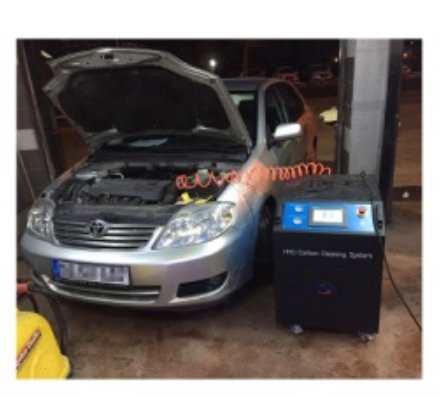
Why Quick Connectors Reduce Setup Time in DPF Filter Cleaning Machines
Tool-Free Engagement Eliminates Torquing, Alignment, and Calibration Steps
Quick connectors replace threaded fittings with a simple push-to-connect mechanism—no wrenches, torque specs, or alignment checks required. This eliminates cross-threading risks that degrade port integrity over repeated DPF servicing and removes operator-dependent variables like inconsistent torque application. The result is faster, more repeatable connections and reduced risk of repetitive strain injuries—while maintaining reliable seal performance across cleaning cycles.
Real-World Impact: Cutting Machine Setup from 22 to 6 Minutes
Independent field testing shows quick-connect systems cut average setup time for DPF filter cleaning machines from 22 minutes to just 6 minutes—a 73% reduction. This gain stems primarily from eliminating threaded connection verification, tool retrieval, and post-connection leak checks. Facilities processing 8 filter assemblies per shift can now handle 12 without added labor, directly boosting daily throughput. The improvement scales across multi-junction stations, where cumulative time savings compound with each fluid line reconfigured.
Push-to-Connect vs. Cam-Lock Fittings: Optimizing for High-Frequency DPF Maintenance
Speed and Repeatability Advantages of Push-to-Connect in Modular Fluid Paths
Push-to-connect fittings outperform cam-lock alternatives in high-frequency DPF maintenance environments. Each connection takes under 3 seconds—versus 45–60 seconds for cam-lock systems requiring lug alignment, rotational tightening, and secondary leak verification. In commercial diesel shops performing 25+ filter changeovers daily, this consistency eliminates torque variability and ensures uniform seal integrity across thousands of cycles (Fluid Power Journal, 2023).
Modular fluid paths benefit from standardized, intuitive engagement: technicians simply push tubing into the collet, confirm an audible click, and proceed. For a typical DPF cleaning station with 12 fluid junctions, this approach reduces reconfiguration time by 78% while sustaining full operational pressure integrity up to 25 bar.
Design Trade-offs: Balancing Speed, Pressure Rating, and Reliability in DPF Systems
Mitigating Leakage and Fatigue Risks at 15–25 bar Operating Pressures
Sustaining leak-free operation at 15–25 bar demands rigorous engineering—not just speed-optimized design. Applying Design for Reliability (DFR) principles, top-tier quick connectors use stainless steel bodies rated to 35 bar (well above peak operating pressure), creating essential safety margins that suppress stress fractures. Tolerance stack-up analysis accounts for thermal expansion during hot-cleaning cycles, ensuring seals remain intact across temperature swings. Failure Mode and Effects Analysis (FMEA) further identifies vulnerabilities—such as insufficient thread engagement depth in hybrid designs—before deployment.
Derating components by 30% or more extends service life significantly: a field study found connectors rated for 18 bar maintained flawless performance over 15,000 cycles at a steady 15 bar working pressure. Modular construction with user-replaceable O-rings cuts seal-related downtime by 40% versus welded or integrated alternatives. Vibration-resistant locking mechanisms—critical during pulsed-cleaning phases—have demonstrated zero accidental disconnections in real-world operation.
| Mitigation Strategy | Pressure Impact | Reliability Benefit |
|---|---|---|
| Material Derating (30%+) | Reduces stress | 2.5x longer fatigue life |
| Tolerance Stack-up Analysis | Prevents micro-leaks | Consistent seal performance |
| Modular Seal Replacement | Maintains 25-bar rating | 40% faster repairs |
| Vibration Locking | Prevents shock failures | Zero disconnections recorded |
Selecting the Right Quick Connector for Your DPF Filter Cleaning Machine
Choosing the optimal quick connector requires matching technical specifications to your machine’s operational reality. Begin with pressure: verify the connector’s certified working pressure covers your system’s full range (15–25 bar), including transient peaks—many industrial couplings support up to 300 psi (20.7 bar), but confirm peak-rated capacity to avoid fatigue-driven failure.
Next, assess flow capacity. An undersized internal bore restricts cleaning fluid velocity, lowering cleaning efficacy and increasing cycle times. For high-throughput shops, prioritize wear-resistant materials—stainless steel or hardened brass—especially where connectors undergo dozens of daily engagements.
Environmental exposure matters too. Carbon soot, acidic cleaning agents, and elevated temperatures demand chemically resistant seals: Viton for broad solvent resistance, EPDM for superior heat and ozone tolerance. Finally, integrate safety: automatic shut-off valves prevent fluid spillage during disconnection—reducing cleanup time, chemical waste, and slip hazards.
By systematically evaluating pressure rating, flow capacity, cycle life, chemical compatibility, and built-in safety features, you ensure long-term reliability without compromising the speed advantage that defines modern DPF maintenance.
Frequently Asked Questions (FAQs)
What are quick connectors in DPF filter cleaning machines?
Quick connectors are push-to-connect mechanisms that replace threaded fittings, ensuring faster and more reliable seals without the need for tools during the assembly process.
How much time do quick connectors save during setup?
Field testing shows quick connectors can reduce average setup time from 22 minutes to 6 minutes, a 73% reduction.
What are the benefits of push-to-connect over cam-lock fittings?
Push-to-connect fittings are faster to engage, taking under 3 seconds per connection, whereas cam-lock systems may take 45–60 seconds, requiring alignment and secondary checks.
How do quick connectors ensure reliability under pressure?
Quick connectors are designed with stainless steel bodies rated above peak operating pressure and include features like modular seals and vibration-resistant locking to enhance reliability and service life.
What should I consider when choosing quick connectors?
Important factors include pressure rating, flow capacity, material durability, chemical resistance, and built-in safety features like automatic shut-off valves.
Table of Contents
- Why Quick Connectors Reduce Setup Time in DPF Filter Cleaning Machines
- Push-to-Connect vs. Cam-Lock Fittings: Optimizing for High-Frequency DPF Maintenance
- Design Trade-offs: Balancing Speed, Pressure Rating, and Reliability in DPF Systems
- Selecting the Right Quick Connector for Your DPF Filter Cleaning Machine
- Frequently Asked Questions (FAQs)