 EN
EN

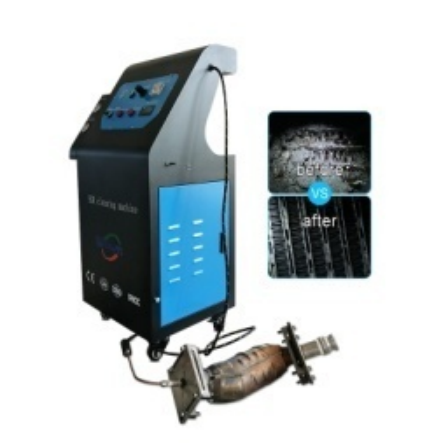
Why EGR Cleanliness Directly Determines Engine Longevity
Exhaust Gas Recirculation or EGR systems do two main things at once: cut down emissions and help optimize how fuel burns inside the engine. But these systems get pretty beat up over time because they're constantly dealing with exhaust soot. As carbon builds up in those EGR valves and coolers, it starts restricting airflow significantly sometimes cutting it back by as much as 40%. The engine then has no choice but to run hotter and under more pressure than intended. All this extra heat wears away at piston rings and damages cylinder walls faster than normal. Worse still, tiny bits of carbon find their way into the oil system where they act like sandpaper grinding against moving parts and causing all sorts of mechanical problems down the road.
The numbers don't lie when it comes to EGR maintenance benefits. Fleet operators report around 12% increase in engine lifespan for vehicles that get proper EGR service according to 2023 industry reports. When looking at how fuel injectors perform, there's a noticeable difference between clean systems and those clogged with carbon deposits. Clean injectors typically operate at about 95% efficiency, while dirty ones drop down to around 78%. This kind of performance hit leads to problems nobody wants to deal with later on the road - things like uneven air/fuel ratios causing engine knock, plus extra stress on turbochargers from sudden pressure spikes. And let's not forget about what happens inside the crankcase. Too much blow-by gas gets mixed into the engine oil over time, which speeds up wear on critical components like bearings and piston rings. Mechanics see this all too often in shops across the country.
Regular cleaning stops this whole chain reaction before it gets out of hand. When mechanics perform proper EGR maintenance around the 30k mile mark, they stop carbon buildup from turning into something really damaging inside those moving parts. The best results come from professional grade ultrasonic cleaners that get rid of all those deposits without messing up the delicate valve seats or damaging the cooling fins. What makes this worthwhile is how it brings back the original gas flow specs and actually tackles what causes metal fatigue problems in engines, which means longer time between major repairs on important components. Trucking companies that stick to regular cleaning schedules have seen their need for complete engine overhauls drop by about 18 percent after covering half a million miles on average.
Ultrasonic EGR Cleaning Machines: The Gold Standard for Precision and Reliability
How ultrasonic technology achieves complete carbon removal without damaging sensitive EGR components
Ultrasonic EGR cleaning machines work by producing tiny cavitation bubbles through high frequency sound waves usually around 25 to 40 kHz. These bubbles create millions of little explosions every second that knock loose all that stubborn carbon buildup on valve seats, cooler fins, and those tricky hard to reach areas inside. What makes this method different from regular brushes or chemical sprays is that it doesn't need any solvents at all. Plus, it can get into places where fingers just cant go without worrying about scratching up delicate parts like thin walled tubes, sensors, or aluminum housing components. The machine adjusts frequencies carefully so it cleans thoroughly but still keeps components safe. Temperature stays under 60 degrees Celsius (about 140 Fahrenheit) which helps avoid warping anything during the process. Tests show over 99 percent of particles get removed when using gravimetric analysis, which meets the ISO 16232 standard for cleanliness. Manual scrubbing techniques on the other hand often end up damaging seals or changing tolerances unintentionally.
Real-world validation: 41% reduction in EGR-related downtime after fleet-wide adoption of ultrasonic EGR cleaning machines
In a recent 2023 study involving 420 heavy duty trucks, researchers noticed that engine failures related to EGR systems dropped by around 41% when fleets started using these new ultrasonic cleaning machines throughout their operations. The technicians were able to completely remove carbon buildup from each unit in just under 45 minutes, which is roughly 68% quicker compared to those old chemical soaking techniques. Plus, there were no more replacement costs because the traditional scrubbing methods often damaged components. Looking at diagnostic records, there was also about a 90% drop in error messages related to poor flow issues and stuck valves after treatment. These machines come with programmable settings that adjust based on how bad the carbon buildup actually is, so they ended up extending the time between necessary cleanings by approximately 300 hours. For each truck, this translated into real money saved too, somewhere around $8,200 every year when factoring in all those avoided towing fees, labor expenses, and part replacements.
Total Intake Cleaner vs. High-Pressure Washers: Evaluating Professional EGR Cleaning Machines
When it comes to professional EGR cleaning equipment, there are basically two main types on the market today: specialized total intake cleaners versus standard high pressure washers. The total intake systems work really well for removing carbon buildup because they inject solvents in a controlled manner and run through automated cleaning cycles. On the flip side, high pressure washers tend to be problematic since they blast everything with force that can actually warp sensitive EGR components over time. These washers often miss tiny passages where carbon tends to collect the most, which means parts get damaged and sensors fail. The result? More frequent breakdowns down the road and bigger repair bills in the long run. According to industry reports, vehicles cleaned using pressure washing methods need service about half again as often compared to when proper OEM compatible systems are used for cleaning.
Integrated diagnostics, controlled solvent delivery, and OEM-compliant cleaning protocols
Total intake cleaners incorporate three critical advantages for commercial operations:
- Integrated diagnostics identify flow restrictions and carbon levels before cleaning
- Controlled solvent delivery adjusts chemical volume precisely to intake geometry and contamination level
- OEM-compliant protocols ensure uniform, repeatable results aligned with original equipment specifications
These features work together to stop the problem of incomplete cleaning that often happens with regular pressure washers, while also cutting down on excessive solvent usage which creates dangerous waste products. Shops across the country have seen their service times drop by around thirty percent after switching from traditional high pressure techniques to systems that meet regulations. A good quality EGR cleaner actually helps keep emissions within legal limits and stretches out how long between services are needed. These aren't just two different benefits side by side, they come packaged together as part of the same solution for shops looking to stay compliant without breaking the bank on maintenance costs.
Selecting the Right EGR Cleaning Machine for Predictive Maintenance and ROI
Getting the most out of EGR maintenance means matching what kind of equipment is used to how much work needs doing and what rules must be followed. Shops that handle less than about 15 EGR valves each month generally get by just fine with simple ultrasonic cleaners that come pre-programmed for standard cleaning cycles. But when facilities start moving past 50 units per month, they need something bigger. Industrial strength EGR cleaning systems become necessary at this point. These advanced machines offer things like custom programming options, sensors that track performance in real time, and automatic record keeping functions. Such features aren't just nice to have either they're actually required to meet those strict EPA standards outlined in 40 CFR Part 86. Most shops find these upgraded systems worth the investment once their volume reaches this level.
Matching machine capabilities (e.g., programmable cycles, data logging) to service volume and compliance requirements
The programmable cleaning cycles adjust their intensity based on how bad the carbon buildup actually is, which helps keep components from getting damaged during the decarbonization process. These systems come equipped with built-in sensors that track things like backpressure levels and temperature changes as they happen, so operators can spot potential problems long before anything breaks down completely. Many industrial facilities have seen their return on investment within about 14 months after implementing these technologies, mainly because they need fewer workers on hand (around 40% less labor) and parts last roughly 30% longer when production rates match up properly with maintenance schedules. The savings add up fast too – avoiding those costly replacements saves around $18k each year for most operations, plus it automatically creates all the necessary paperwork for audits without anyone having to manually document everything.
The right EGR cleaning machine transforms maintenance from a reactive cost center into a profit driver—turning regulatory compliance and component longevity into measurable financial returns.
Table of Contents
- Why EGR Cleanliness Directly Determines Engine Longevity
- Ultrasonic EGR Cleaning Machines: The Gold Standard for Precision and Reliability
- Total Intake Cleaner vs. High-Pressure Washers: Evaluating Professional EGR Cleaning Machines
- Selecting the Right EGR Cleaning Machine for Predictive Maintenance and ROI