 EN
EN

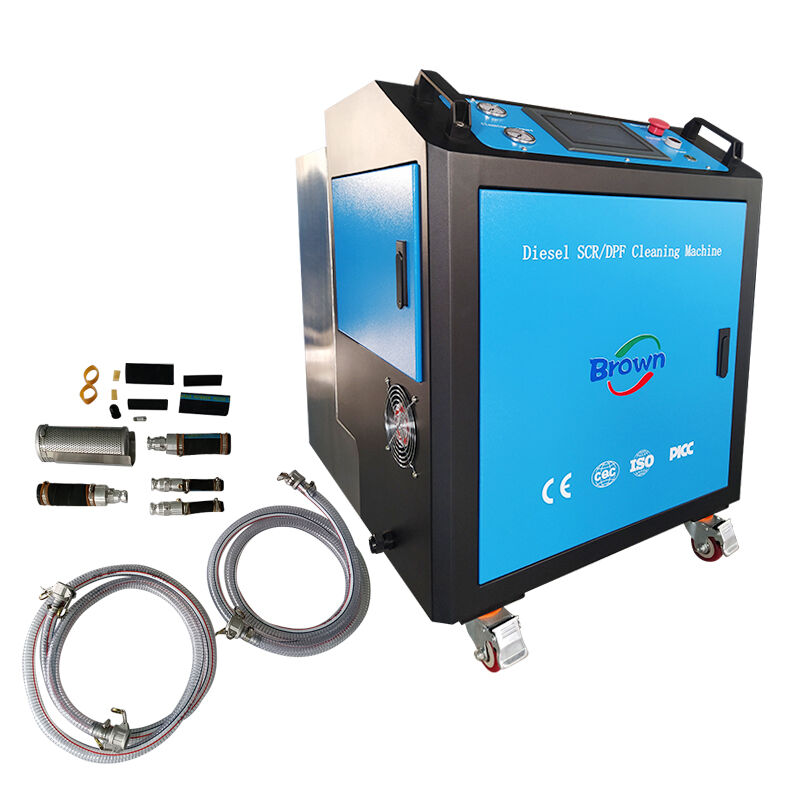
Modul de funcționare al unei mașini de curățare DPF: Mecanismele de bază pentru restabilirea performanței
Etapele termică, apoasă și pneumatică: Eliminarea fumului, cenușei și a reziduurilor
A Machină de curățare DPF restaurează performanța filtrului prin trei etape complementare. Prelucrarea termică încălzește filtrul la peste 600 °C, oxidând fulgii blocați în dioxid de carbon — eliminând astfel eficient particulele organice care determină creșterea presiunii inverse. Curățarea cu apă urmează cu soluții echilibrate din punct de vedere al pH-ului și biodegradabile, concepute pentru a dizolva depozitele de cenușă anorganică, în special reziduurile metalice provenite din aditivii uleiului motor, pe care tratamentul termic nu le poate elimina. În final, impulsurile pneumatice livrează rafale controlate de aer la presiune ridicată (≥10 bar) pentru a desprinde resturile de deșeuri reținute în profunzimea microcanalelor filtrului. Această abordare integrată vizează toate tipurile de contaminanți: termică pentru fulgi volatili, chimică pentru cenușa sinterizată și mecanică pentru eliminarea eficientă a particulelor tenace. Conform testărilor independente efectuate pe bancul de debit, combinarea acestor metode asigură o restaurare a porozității până la 98 % — depășind cu 42 % eficiența de eliminare a particulelor obținută prin curățarea într-o singură etapă.
Restabilirea fluxului de gaz și reducerea presiunii inverse cu o mașină de curățare DPF
Un filtru de particule diesel (DPF) înfundat obligă motorul să lucreze mai intens împotriva unei presiuni inverse ridicate a gazelor de eșapament, ceea ce degradează consumul de combustibil și livrarea puterii. Un dispozitiv de curățare profesional de înaltă calitate Machină de curățare DPF elimină atât contaminanții sub formă de funingine, cât și cei sub formă de cenușă, restabilind fluxul laminar al gazelor prin suportul ceramic. Aceasta reduce direct rezistența la evacuare, permițând motorului să funcționeze la eficiența proiectată — scăzând solicitarea asupra turbocompresorului, sistemului EGR și ciclurilor de ardere.
Cuantificarea recuperării: de la o presiune inversă ridicată la o diferență de presiune optimă ΔP (kPa)
Succesul curățării DPF este măsurat obiectiv prin diferența de presiune (ΔP). Un filtru sever blocat poate înregistra valori ΔP care depășesc 10 kPa în condiții standard de testare; după curățare, un dispozitiv complet restaurat revine la o valoare ΔP situată în limitele a ±5% față de valoarea ΔP specificată de producătorul original de echipament (OEM), confirmând astfel recuperarea funcționalității. Echipamentele calibrate de banc de debit oferă această precizie, eliminând orice presupunere și asigurând conformitatea cu parametrii operaționali înainte de reinstalare.
Legarea restabilirii debitului de conformitatea emisiilor și de creșterea eficienței combustibilului
Restabilirea fluxului de gaze de eșapament asigură beneficii măsurabile în aval. Reducerea contrapresiunii se corelează cu economii de combustibil de 3–8% în condiții reale de exploatare, în funcție de severitatea blocării inițiale. În mod esențial, un flux neîmpiedicat asigură funcționarea corectă a filtrului de particule (DPF), menținând eficiența constantă a filtrării și sprijinind conformitatea cu standardele stricte de emisii, cum ar fi Euro 6 și EPA Tier 4. Aceasta previne sancțiunile reglementare, evită nerespectarea cerințelor la inspecțiile rutiere și minimizează opririle neplanificate ale vehiculului.
Validarea rezultatelor: Inspectarea și stabilirea de referințe pentru filtrul de particule (DPF) înainte și după curățare
Testarea pe bancul de flux ca standard de aur pentru eficacitatea mașinilor de curățare DPF
Testarea pe bancul de debit rămâne metoda definitivă pentru verificarea eficacității curățării. Prin măsurarea debitului volumetric la diferențiale de presiune standardizate (de exemplu, 1 kPa), tehnicienii cuantifică restabilirea în raport cu datele de referință ale producătorului original (OEM) — unde un debit ≥95 % din valoarea inițială reprezintă pragul acceptat pentru trecerea testului. Spre deosebire de evaluările subiective, această măsură reflectă direct comportamentul real al contrapresiunii și compatibilitatea cu motorul. Principalele mașini pentru curățarea filtrelor DPF integrează bănci de debit integrate sau permit conectarea fără probleme la unități calibrate de nivel laborator, permițând o validare documentată și reproductibilă.
Evitarea rezultatelor fals pozitive: De ce 68 % dintre filtrele DPF marcate ca «curățate» eșuează la validarea post-proces
Dependenta exclusivă de pierderea în greutate — un indicator comun, dar inadecvat — duce la concluzii înșelătoare: auditurile din industrie arată că 68% dintre filtrele aprobate pe baza reducerii masei singure eșuează la validarea riguroasă ulterioară după curățare. Aceste unități păstrează adesea restricții interne ale canalelor, invizibile pentru citirile de pe balanță. Verificarea completă necesită triangulare: rezultatele obținute pe bancul de debit, sondarea cu ac (pentru detectarea podurilor de funingine sau a sinterizării cenușii pe canale) și inspecția vizuală asistată de boroscop. Numai atunci când toate cele trei metode confirmă fluxul neîmpiedicat și integritatea structurală, un filtru DPF poate fi considerat pregătit pentru serviciu — o normă integrată în protocoalele certificate de curățare și respectată de echipamentele conforme standardului ISO 16332.
Întrebări frecvente
Ce face o mașină de curățare DPF?
O mașină de curățare DPF elimină funinginea, cenușa și reziduurile din filtrele diesel particulate pentru a restabili performanța acestora, a îmbunătăți debitul gazelor, a reduce presiunea inversă și a asigura conformitatea cu reglementările privind emisiile.
Cum se măsoară eficacitatea curățării DPF?
Eficiența este măsurată folosind citirile diferențiale de presiune (ΔP) și testarea pe bancul de debit, asigurându-se că filtrul îndeplinește standardele producătorului de echipament original (OEM) privind restabilirea debitului de aer.
De ce este pierderea în greutate un indicator nesigur al succesului curățării DPF?
Pierderea în greutate nu ia în considerare deșeurile interne profund încastrate sau restricțiile canalelor. Pentru o validare precisă sunt necesare metode de triangulare, cum ar fi testarea pe bancul de debit, sondarea cu ac și inspecțiile cu boroscop.
Ce beneficii poate aduce o curățare corectă a DPF?
Curățarea corectă reduce contrapresiunea, îmbunătățește eficiența consumului de combustibil, asigură conformitatea cu normele de emisii și minimizează timpul de nefuncționare al vehiculului, precum și eventualele penalizări.