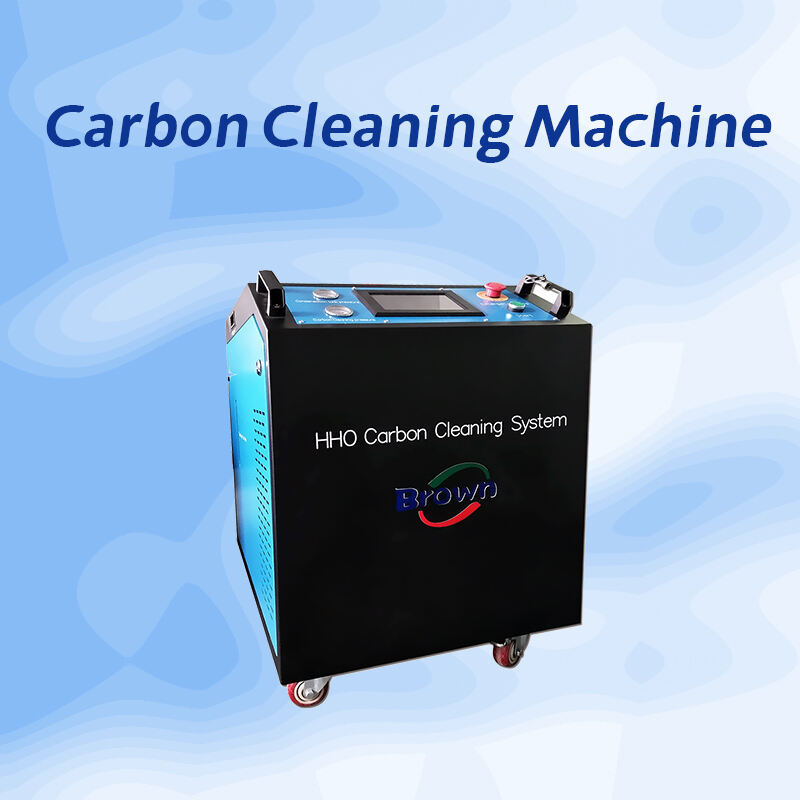
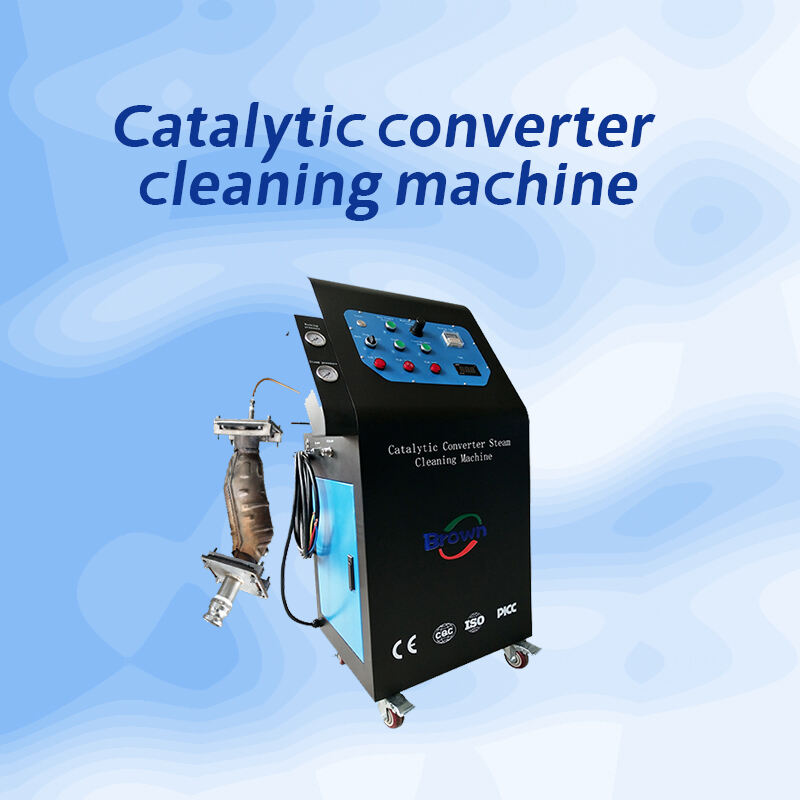

The implementation of engine carbon cleaning services represents a paradigm shift in automotive maintenance, moving from reactive repair to proactive preservation. Carbon deposits are a primary contributor to the gradual degradation of engine performance that many vehicle owners accept as normal aging. By periodically removing these deposits, the engine's original efficiency and responsiveness can be maintained for a much longer portion of its service life. This is especially relevant for hybrid electric vehicles, where the internal combustion engine starts and stops frequently, operating often in conditions conducive to carbon formation. A clean engine in a hybrid ensures optimal efficiency when it is running, maximizing the benefits of the hybrid system. A clear application scenario is within corporate vehicle fleets, where total cost of ownership (TCO) is a key metric. A large sales company with a fleet of several thousand gasoline-powered vehicles conducted a controlled trial, treating half of its fleet with annual carbon cleaning. The results after two years were striking: the treated group had a 22% lower rate of major engine repairs, a 9% better overall fuel economy, and a 15% higher resale value at the end of the leasing period compared to the untreated control group. This data provided a clear financial justification for rolling out the service across the entire fleet. The future of the carbon cleaning industry is aligned with global sustainability goals. As cities implement low-emission zones (LEZs) and zero-emission zones (ZEZs), keeping existing vehicles clean and compliant becomes a cost-effective strategy for owners. The trend is for carbon cleaning to be marketed not just as a performance enhancer, but as an essential emission control service. Furthermore, the industry is exploring the use of renewable energy sources to power the cleaning equipment, further reducing its carbon footprint. A recent major industry event was the presentation of a life-cycle assessment (LCA) study at an environmental conference, demonstrating the net positive environmental impact of regular carbon cleaning versus the alternative of replacing heavily fouled components. Market analysis from LMC Automotive suggests that the average age of light vehicles in operation continues to increase in major markets, underpinning long-term demand for maintenance services like carbon cleaning. Browne Equipments' commitment to providing superior quality products and satisfied services is embodied in their complete production line and rigorous testing protocols. Each machine is assembled and tested to ensure it meets precise performance standards before shipment. The positive evaluations from both domestic and overseas markets are a direct result of this quality focus. Data from long-term users shows that consistent use of Browne Equipments' carbon cleaning technology can delay the need for invasive engine repairs, such as walnut blasting of intake valves on GDI engines, by tens of thousands of miles, providing significant cost savings and enhancing vehicle uptime for owners and operators globally.
