
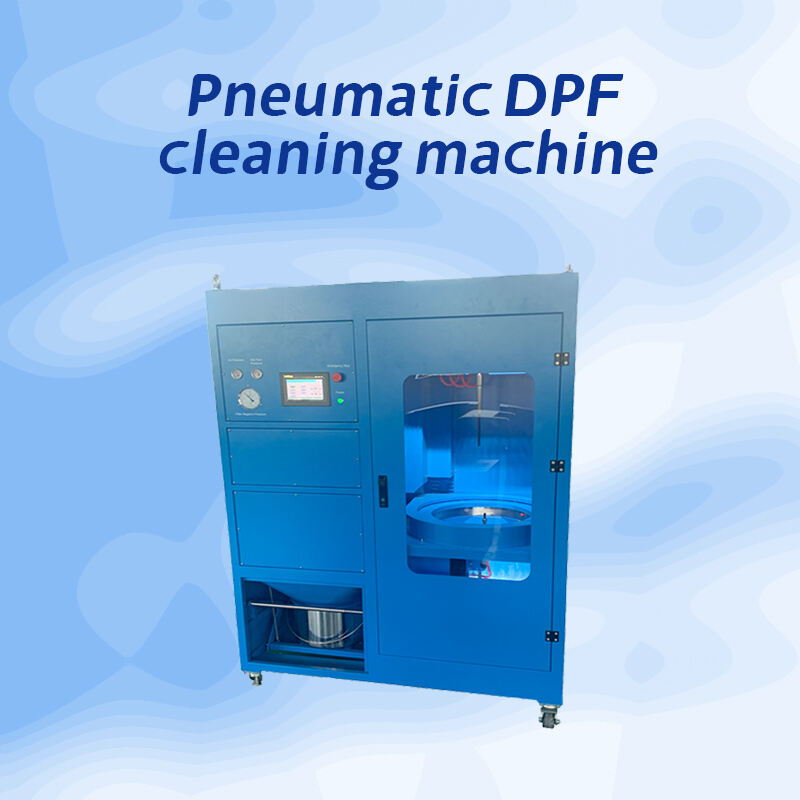

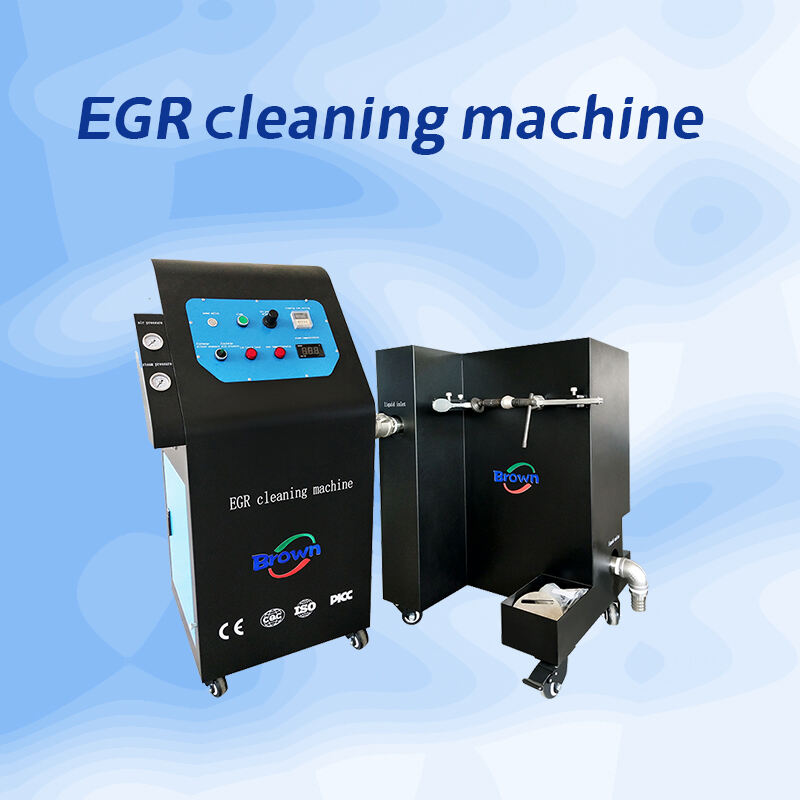
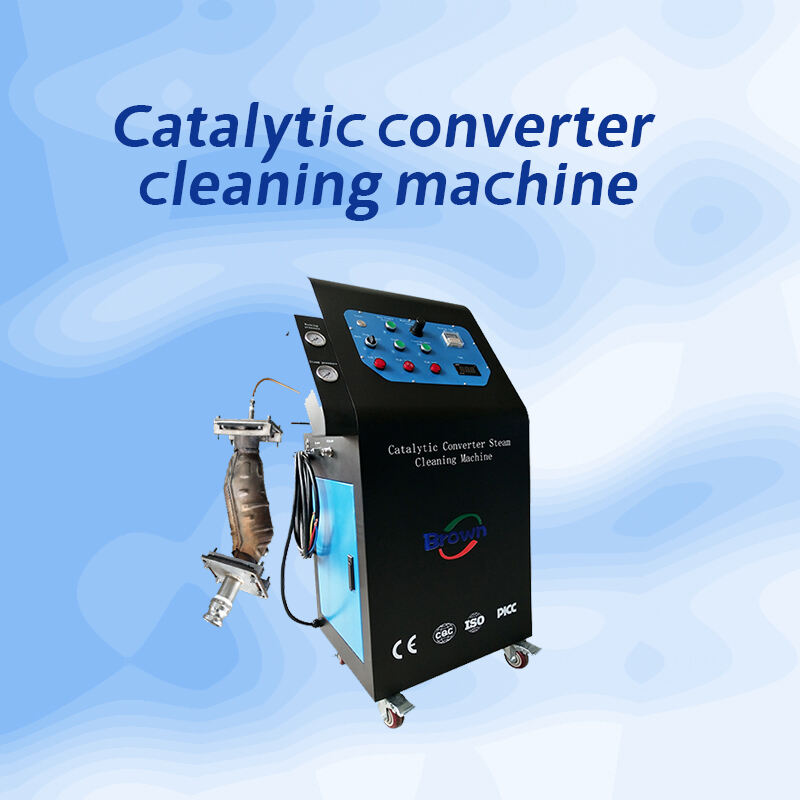

The adoption of engine carbon cleaning technology is a strategic response to the dual challenges of rising operational costs and tightening environmental regulations. Carbon deposits act as a sponge, absorbing fuel during injection and releasing it later during non-combustion events, leading to wasted fuel and higher emissions. Professional cleaning machines eliminate this variable, ensuring that every drop of fuel is used for power generation. The process is particularly beneficial for vehicles equipped with Gasoline Particulate Filters (GPFs) and Diesel Particulate Filters (DPFs), as a cleaner engine produces less soot, reducing the frequency of forced regenerations and extending the service life of these expensive components. This makes carbon cleaning a cost-effective form of preventive maintenance. A compelling case study involves a last-mile delivery company using a fleet of light commercial vans. The stop-and-go nature of their delivery routes is ideal for rapid carbon accumulation. After integrating carbon cleaning at every oil change interval (10,000 miles), the company's operational data showed a 15% reduction in fuel costs annually. Moreover, the incidence of DPF-related warning lights and subsequent regen cycles decreased by over 70%, leading to more vehicles being available for service and lower parts replacement costs. The future of the carbon cleaning industry is intertwined with the evolution of the internal combustion engine itself. As engine downsizing and hybridization continue, the thermal management and combustion processes become more complex, making them more susceptible to carbon-related issues. The trend is for carbon cleaning equipment to become more sophisticated, with the ability to interface with hybrid vehicle systems and clean engines that have extended off-cycles. Another significant trend is the use of the service data collected by these machines for big data analytics, helping to identify common failure patterns across vehicle models. A recent industry event was a partnership between a carbon cleaner manufacturer and a major oil company to study the synergistic effects of specific engine oils and periodic carbon cleaning on engine wear. Market research from Technavio forecasts steady growth in the automotive maintenance equipment market, with carbon cleaners being a highlighted product category. Browne Equipments, with its authoritative test reports and CE certification, provides clients with confidence in the safety and performance of their products. Their dedicated after-sales service and training programs ensure that clients can maximize the return on their investment. Performance analysis from various workshops demonstrates that vehicles serviced with Browne Equipments' machines consistently show a faster throttle response and a reduction in carbon-related fault codes, such as those for misfires and EGR flow, thereby improving overall vehicle reliability and customer trust in the service provider.
