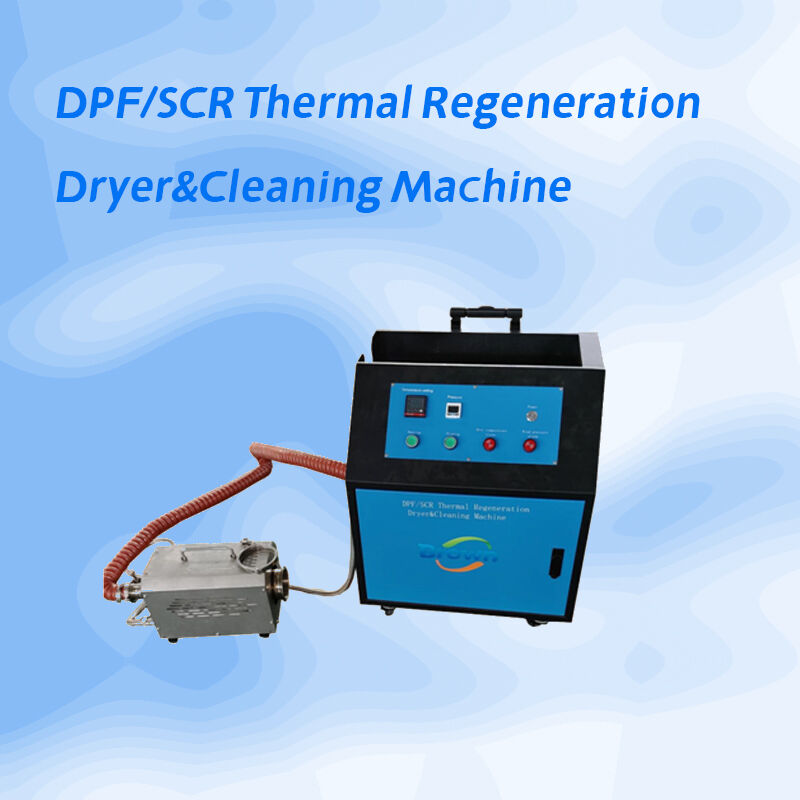
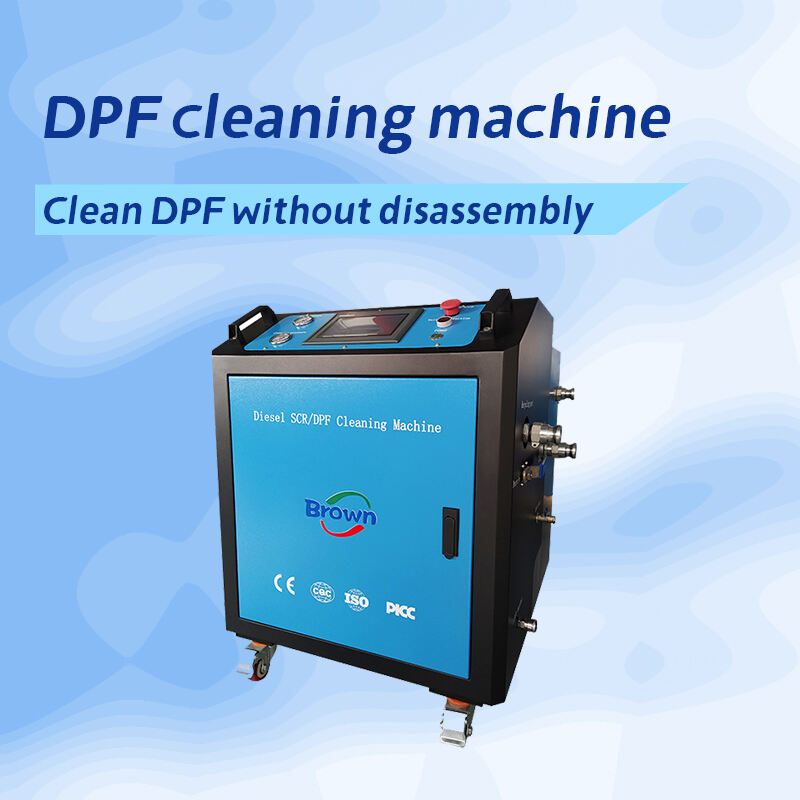
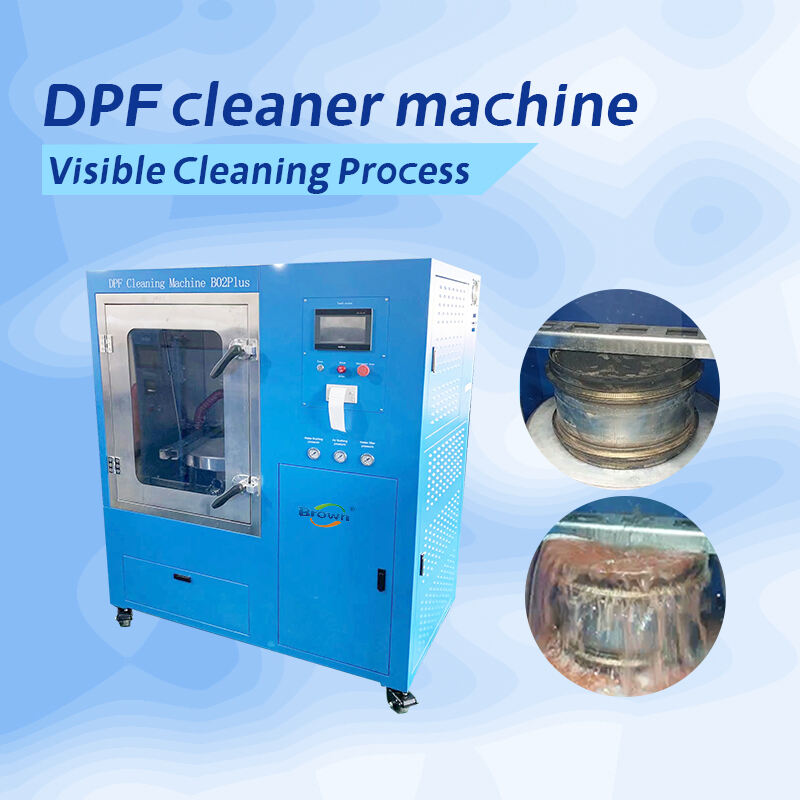
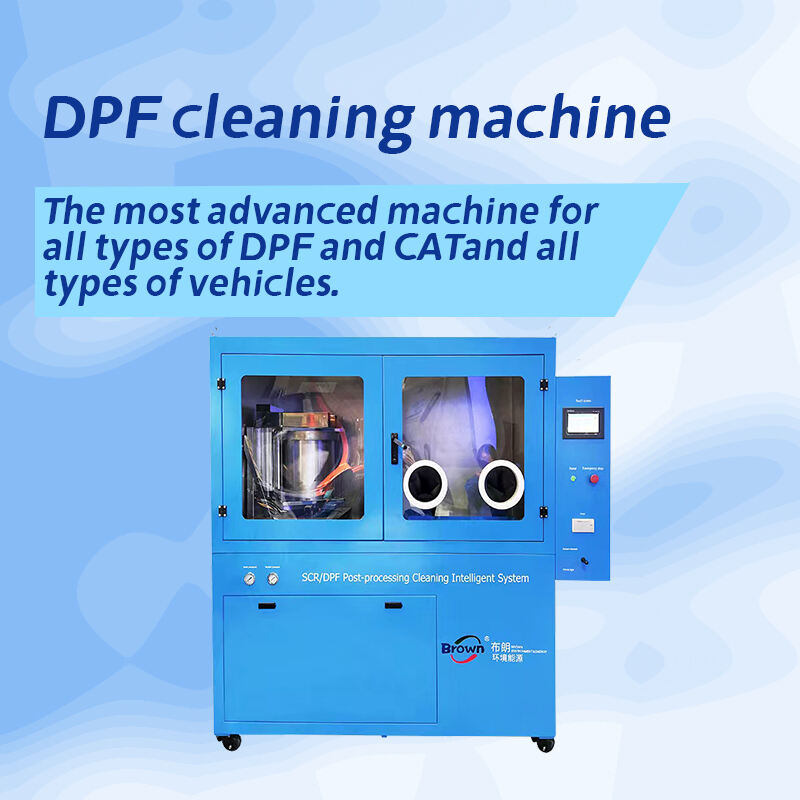
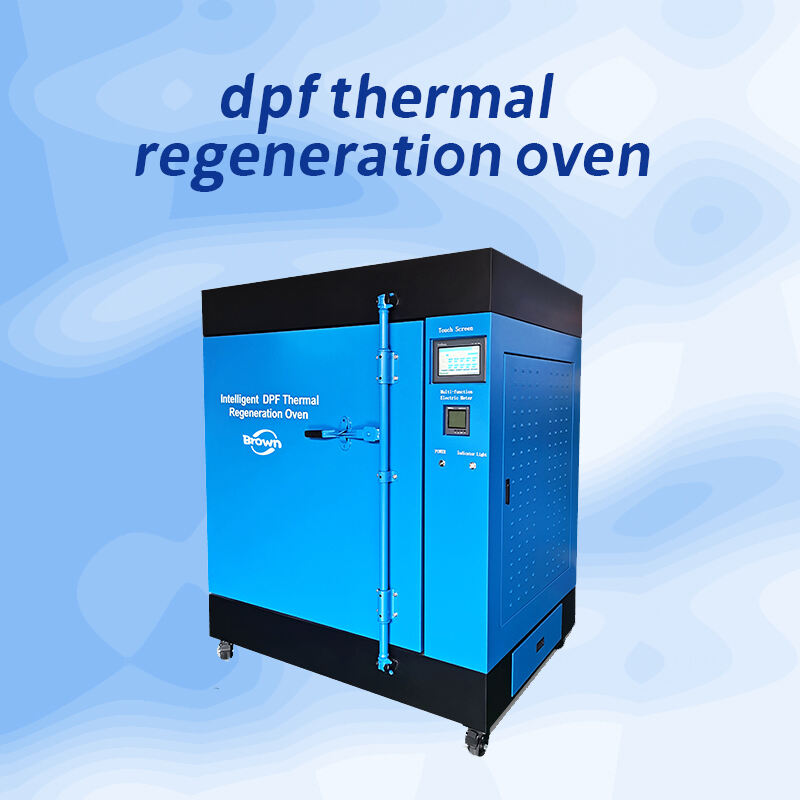
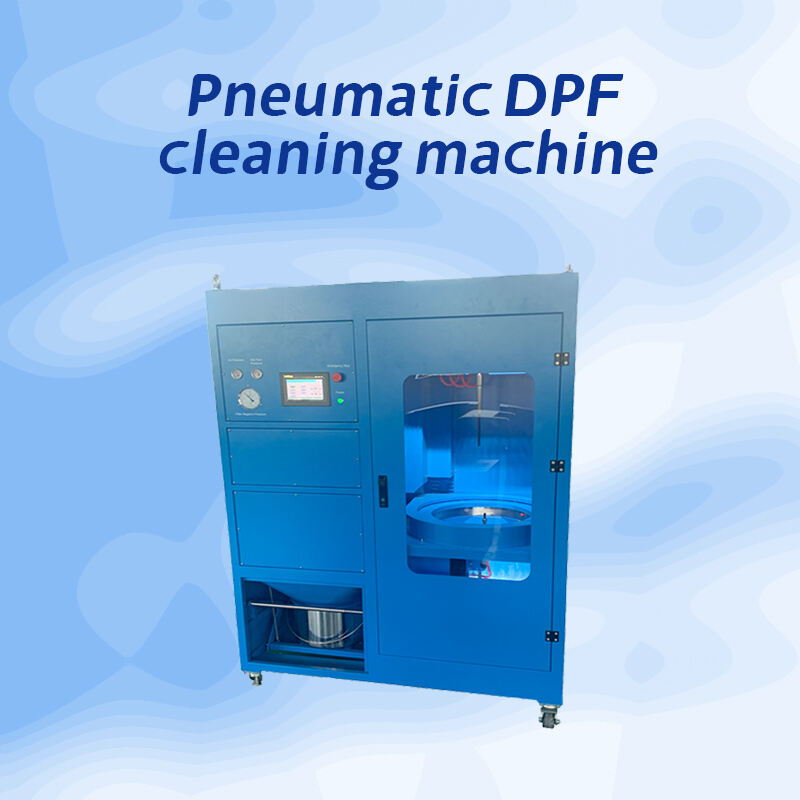
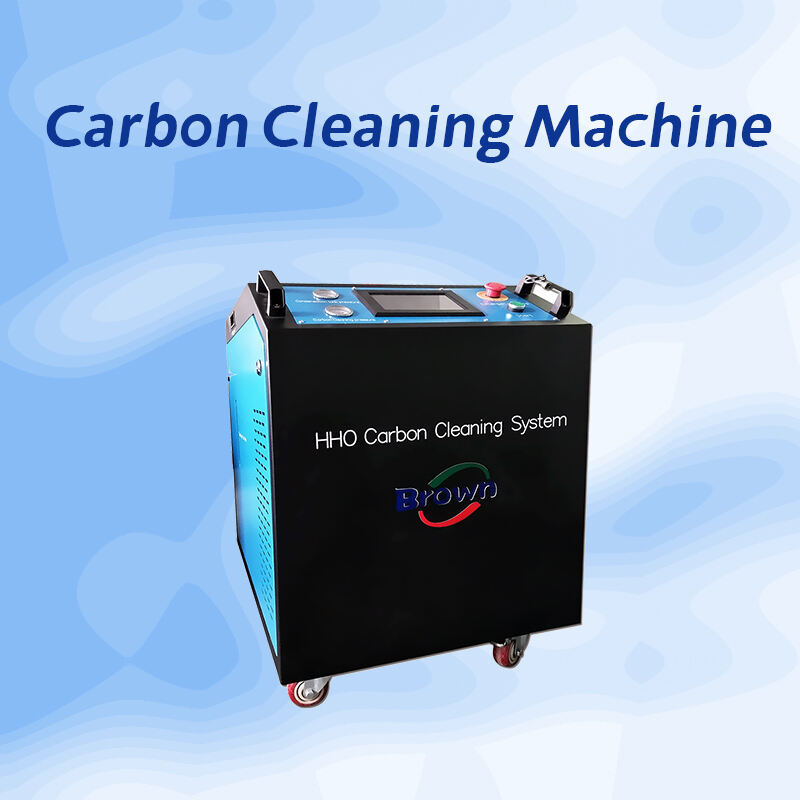
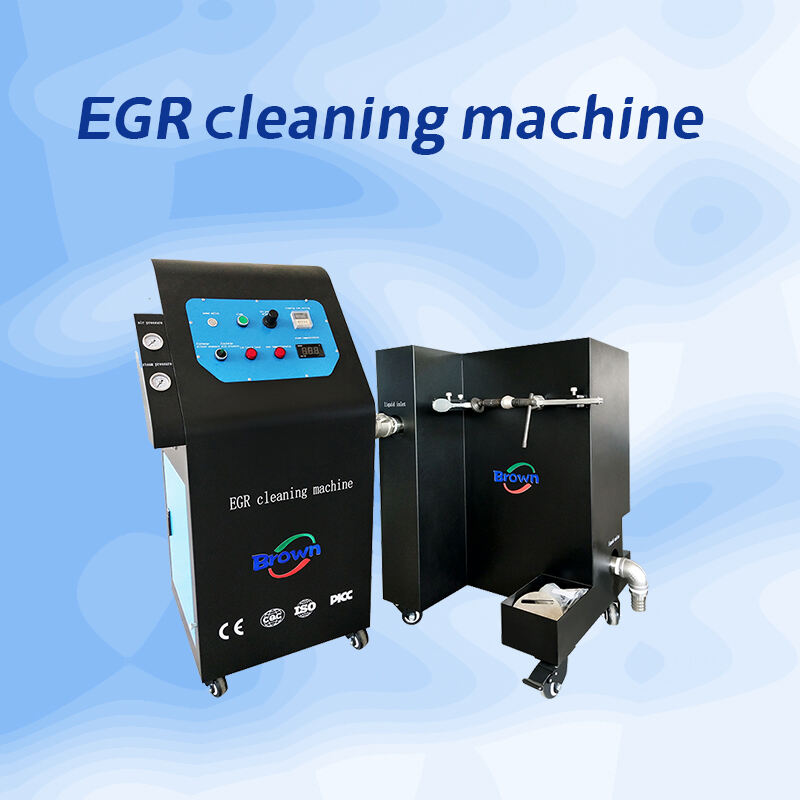
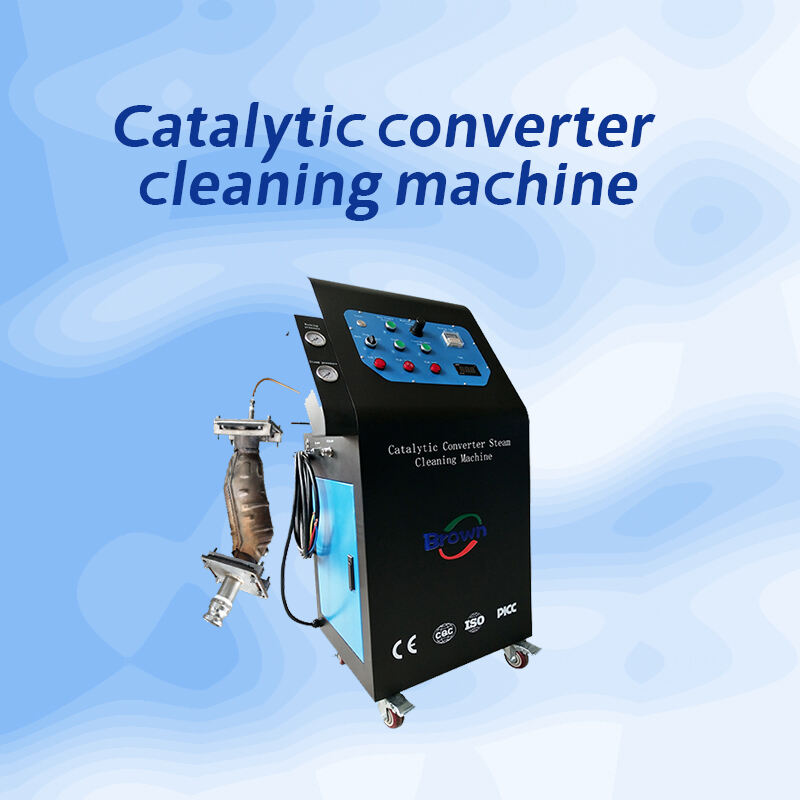

Engine carbon cleaning technology represents a pivotal advancement in preventive maintenance, leveraging chemical and mechanical processes to eradicate carbon deposits that impair engine functionality. These deposits, often caused by low-quality fuels or stop-and-go driving, can lead to increased friction, overheating, and costly repairs. Modern carbon cleaners employ techniques like pressurized air blasting or catalytic solutions that break down carbon without disassembling engines, saving time and labor. Application scenarios include automotive dealerships and racing teams, where performance optimization is critical; a notable case involved a motorsport organization that used carbon cleaning to enhance engine output by 15% and reduce pit stop times by 20%. The industry is influenced by future trends such as the development of biodegradable cleaning agents and energy-efficient machines that minimize water and power consumption. Recent events include regulatory updates in regions like India, where BS-VI norms have spurred adoption of carbon cleaning in public transport fleets. Industry research from firms like McKinsey indicates that the global addressable market for engine maintenance solutions will exceed $50 billion by 2030, with carbon cleaners capturing a growing share due to their cost-effectiveness. Data from field tests show that regular use can decrease fuel costs by an average of $200 per vehicle annually, making it a sound investment for logistics companies. Browne Equipments' products, certified under ISO 14001 for environmental management, incorporate features like adaptive pressure control and safety locks, ensuring reliable operation in diverse conditions. Their machines have been shown in user reports to improve emission test pass rates by over 40%, aligning with international sustainability goals and driving adoption in emerging markets.
