 EN
EN

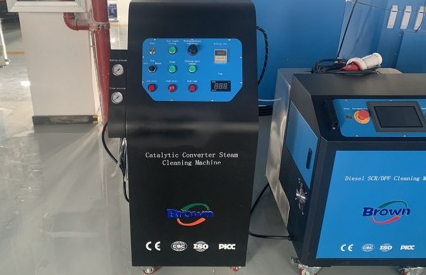
The Critical Role of Catalytic Converters in Meeting Emission Standards
How Catalytic Converters Reduce Harmful Emissions (CO, HC, NOx)
The catalytic converter does what it says on the tin really transforming those nasty exhaust fumes into something not quite so bad for our lungs. When cars run, they spit out carbon monoxide that gets turned into regular old carbon dioxide, while all those hydrocarbons get broken down into just plain water vapor. And don't forget about those nitrogen oxides which split apart into nitrogen and oxygen. According to tests done by folks at the EPA, these chemical reactions cut down carbon monoxide emissions somewhere around 85 percent and slash nitrogen oxide levels close to 90%. Pretty impressive stuff when you think about how much cleaner air we breathe thanks to this technology.
Function in Modern Vehicle Emission Control Systems
Modern catalytic converters operate in two stages:
- Reduction phase: Platinum and rhodium catalysts split NOx molecules
-
Oxidation phase: Palladium neutralizes residual CO and HC
This dual-phase system is integrated with onboard diagnostics (OBD) to monitor efficiency, ensuring real-time compliance with emission thresholds.
Importance for EPA and CARB Compliance
The performance of catalytic converters plays a major role in determining if cars comply with Clean Air Act regulations set by both the EPA and CARB in California. Recent testing data from 2023 reveals that nearly two thirds of vehicles failing emissions tests had faulty or worn out converters. These issues can lead to serious penalties for drivers, with maximum fines reaching as high as $47,500 according to Section 203(a)(3)(B) of the legislation. For most people, this kind of financial hit is simply not worth it. That's why keeping these essential pollution control devices properly maintained matters so much. Following manufacturer recommended service intervals and avoiding cheap shortcuts when it comes to cleaning or replacing parts helps ensure these components continue working effectively over time.
Causes and Consequences of Catalytic Converter Degradation on Emissions
Common Pollutants (CO, HC, NOx, PM) and Their Relationship to Converter Performance
Catalytic converters work best when they're clean and unobstructed, cutting down on carbon monoxide (CO), hydrocarbons (HC), nitrogen oxides (NOx), and particulate matter (PM) by roughly 90 percent according to industry data. The connection between emissions levels and how well these converters perform is pretty straightforward. Take for instance what happens when there's some blockage in the substrate material inside the converter. Research published in the Journal of Automotive Engineering back in 2023 showed that partial clogging can actually boost CO emissions by about 45% and HC emissions by around 33% compared to what the EPA considers acceptable limits. Today's cars need just the right mix of air and fuel to get maximum benefit from their catalytic systems. But over time, all sorts of dirt and residue build up inside these components, messing with that delicate balance and making it harder for vehicles to meet emission requirements as mandated by regulators.
Catalyst Poisoning, Substrate Clogging, and Thermal Aging Causes
Three primary failure modes account for 78% of catalytic converter degradation:
- Catalyst poisoning from leaded fuels or silicone-based additives (32% of cases)
- Substrate clogging due to unburned oil and carbon deposits (41% of failures)
- Thermal aging from sustained operation above 1,600°F, reducing precious metal reactivity
A 2024 SAE International study found fleets using low-quality diesel experienced 2.3x faster thermal aging than those using premium fuels, underscoring the importance of fuel quality and maintenance.
Impact of Degraded Converters on Emission Test Failures: Real-World Case Data
According to data from California's Air Resources Board, about two thirds of cars with worn out converters end up failing emissions tests right away, while only around 11% pass when the system has been properly maintained. A recent study looking at truck fleets in Phoenix showed pretty dramatic results too. Vehicles with dirty converters were putting out 89 parts per million of NOx, but after getting professional catalytic converter cleanings, those numbers dropped down to just 29 ppm. That's basically a threefold improvement that gets them back within legal limits again. Shops that have started using these cleaning procedures are seeing great results too, with most customers passing on the first try about 92% of the time. These stats really show how worthwhile it can be to invest in proper maintenance rather than replacing expensive components.
How Catalytic Converter Cleaning Machines Work and Their Technical Viability
Modern catalytic converter cleaning machines use three primary methods to restore emission control efficiency: chemical dissolution, thermal regeneration, and mechanical backflushing. These target contaminants like sulfur compounds, unburned hydrocarbons, and particulate matter that can reduce catalytic activity by up to 38% in aged units (Automotive Research Institute 2023).
The Science Behind Catalytic Converter Cleaning Machine Technology
Cerium based solvents are what chemical cleaners use to break down those stubborn carbon deposits. Thermal systems work differently they actually crank up the temperature inside converters to around 1200 degrees Fahrenheit which burns away whatever is blocking things up. Then there's backflushing where machines blast compressed air or special cleaning solutions into the system at about 120 pounds per square inch from the inlet side to knock loose all the stuff stuck in there. Most major equipment makers have tested these approaches using EGR simulations and claim removal rates somewhere between 72 percent and almost 90 percent for contaminants. Pretty impressive numbers but field results can vary depending on how bad the buildup actually is.
Chemical, Thermal, and Backflush Methods Compared for Effectiveness
| Method | Process | Optimal Temp/Pressure | Contaminant Removal Efficiency |
|---|---|---|---|
| Chemical | Solvent circulation | 200°F (93°C) | 68–72% (hydrocarbons, soot) |
| Thermal | Regenerative heating | 1,200°F (650°C) | 82–89% (sulfur, phosphorus) |
| Backflush | Reverse-pressure cleaning | 120 PSI | 55–62% (particulates, ash) |
Thermal systems are most effective against stubborn inorganic deposits but require precise temperature control to prevent substrate warping.
Do Cleaning Machines Damage Ceramic Substrates? Evaluating the Controversy
While improper thermal cleaning can risk ceramic microfractures, studies show professionally calibrated machines preserve structural integrity in 94% of cases. Ultrasonic thickness testing reveals no measurable erosion after five cleaning cycles when operators follow OEM pressure and temperature limits (Emission Tech Journal 2023).
Evaluating the Effectiveness of Professional-Grade Cleaning in Restoring Compliance
Benefits of Professional Catalytic Converter Cleaning Machines
Getting professional grade cleaning done on vehicle parts is actually cheaper than replacing them altogether. It keeps those original manufacturer components intact while bringing back how well they control emissions. The pros use special chemicals mixed just right along with carefully controlled pressure settings to knock out all that built up carbon and get rid of harmful stuff like sulfur and phosphorus buildup. Regular store bought kits just don't cut it compared to this stuff. Industry numbers from Automotive Maintenance Association show most converters cleaned properly end up working at around 90% of their original efficiency again after treatment. And there's another bonus nobody talks about much these days proper cleaning means less junk ending up in landfills which fits nicely with what the EPA wants for greener practices across the board.
Field Data Review: Emission Improvements After Machine-Based Cleaning
Fleet studies demonstrate significant emission reductions following professional cleaning:
| Pollutant | Avg. Reduction | Test Standard |
|---|---|---|
| CO | 47% | EPA Tier 3 |
| HC | 39% | CARB LEV III |
| NOx | 33% | Euro 6 |
Data from 2,300 heavy-duty vehicles (2024 NATA Fleet Report) show cleaning restored compliance in 78% of previously failing units. Post-cleaning opacity measurements met regulatory limits for 89% of tested diesel vehicles.
Rise of Mobile Emission Repair Services Using Cleaning Technology
Since 2020, businesses offering catalytic converter cleaning have seen their numbers jump about 210%, according to IBISWorld data from last year. Mobile repair services are becoming popular because they cut down on vehicle downtime, which matters a lot for companies running big fleets under tight regulatory timelines. When technicians visit sites, they use both specialized cleaning equipment and standard OBD-II diagnostic tools to spot converters that might fail soon. This approach lets them fix problems before they become violations, and fleet managers report around 62 fewer repeat issues each year during mandatory inspection cycles.
Integrating Cleaning into Maintenance Strategies for Long-Term Emission Compliance
Preventive Maintenance: Using Cleaning to Extend Converter Lifespan
Getting ahead of the cleaning game actually cuts down on those early replacement costs by about 40% according to the latest 2023 Automotive Maintenance Report. These days, there are special machines available that let mechanics clean out all that carbon and stuff building up inside catalytic converters during regular maintenance checks. This helps keep the surface area intact where it needs to be for properly breaking down harmful gases like CO and HC. If we stick to cleaning every six months or so, most converters should last well past 150,000 miles on gas engines. That's roughly 35% extra mileage compared to what happens when they just sit there dirty and neglected.
Complementary Emission Reduction Technologies and System Synergy
Cleaning performs best when combined with:
- Exhaust gas recirculation (EGR) valve maintenance
- Diesel particulate filter (DPF) regeneration
- Onboard diagnostics (OBD-II) scanner updates
Together, these measures achieve 62% faster NOx reduction than standalone cleaning (EPA Technical Guidance 2022). However, thermal cleaning must stay below 1,500°F to avoid damaging the substrate—a key calibration requirement.
Strategic Integration of Cleaning in Fleet and Repair Shop Workflows
Progressive repair shops now dedicate 12–18% of bay time to emission control services. Fleet operators using scheduled catalytic converter cleaning report 30% fewer compliance violations during roadside inspections. This strategic shift supports CARB’s 2025 mandate requiring verifiable emission system maintenance records for commercial vehicles.
Table of Contents
- The Critical Role of Catalytic Converters in Meeting Emission Standards
- Causes and Consequences of Catalytic Converter Degradation on Emissions
- How Catalytic Converter Cleaning Machines Work and Their Technical Viability
- Evaluating the Effectiveness of Professional-Grade Cleaning in Restoring Compliance
- Integrating Cleaning into Maintenance Strategies for Long-Term Emission Compliance