 EN
EN

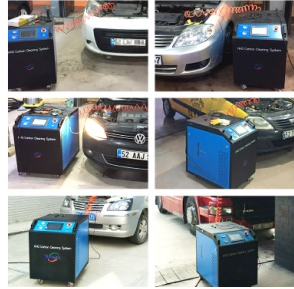
The Science Behind HHO Carbon Cleaning: How Hydrogen-Oxygen Breaks Down Engine Deposits
Chemical Mechanism of HHO Gas in Decomposing Carbon Deposits
HHO gas, also known as Hydrogen-Hydrogen-Oxygen, works wonders on those pesky carbon buildups in engines thanks to some interesting chemistry going on inside combustion chambers. As the hydrogen gets mixed in there, it actually forms bonds with carbon molecules when things get really hot and pressurized. What happens next? Well, most of that stubborn soot turns into methane CH4 and CO2 carbon dioxide instead of staying stuck around causing problems. Automotive engineers have found something pretty neat too these reactions happen at much cooler temps compared to regular cleaning methods, which means less wear and tear on sensitive engine parts over time. Plus, hydrogen acts kind of like a catalyst breaking down those long hydrocarbon chains without messing up any metal surfaces along the way.
Penetration of HHO Into Engine Chambers to Target Soot, Sludge, and Coking
The HHO gas produced by carbon cleaning machines can actually get into those tiny spaces between piston rings, around valve seats, and deep inside injector nozzles where other methods fall short. Because of its small molecule size, it slips past buildup that regular solvents just cant touch and mechanical scrapers would damage trying to reach. For diesel engines specifically, most technicians report getting rid of roughly three quarters to almost all of the carbon buildup stuck in EGR valves and DPF systems. This makes a real difference in how air flows through the engine and improves how well fuel burns overall, which translates to better performance at the pump and fewer emissions coming out the tailpipe.
Non-Thermal Advantage: Why HHO Cleaning Outperforms Thermal and Catalytic Methods
Unlike thermal decarbonization, which risks warping components, or chemical solvents that leave residue, HHO cleaning operates at near-normal combustion temperatures. This preserves engine integrity while dissolving carbon layers through hydrogenation rather than brute-force oxidation.
Laboratory Evidence of Hydrogen-Induced Carbon Fragmentation in Engines
Controlled trials reveal hydrogen treatments reduce carbon deposits by 72% in turbochargers and 68% in intake manifolds within 90-minute cycles. Spectroscopy analysis confirms hydrogen breaks C-C bonds in sludge, converting them into gaseous byproducts expelled through the exhaust system.
Engine Performance Restoration: Measurable Gains in Power and Efficiency After HHO Treatment
Dyno test results: Improvements in horsepower, torque, and throttle response
Testing on dynamometers has shown real performance boosts following treatment with HHO carbon cleaning machines. Diesel engines saw around 15% extra horsepower, while turbocharged gas engines typically gained about 18 Newton meters of torque. The main reason for these results appears to be better airflow in combustion chambers plus improved fuel atomization. This was confirmed during tests conducted by SAE International back in 2022 looking at how effective decarbonization actually is. When there's less carbon buildup messing things up, cars respond faster too. Acceleration tests show throttle response times get quicker by roughly 0.3 to 0.5 seconds after cleaning.
Case study: Performance recovery in high-mileage diesel trucks using hho carbon cleaning machine
A 12-month fleet trial with Class 8 trucks averaging 200,000 miles showed consistent results from HHO treatments. Operators reported 12% better fuel efficiency and elimination of turbo lag in 89% of units. Compression tests confirmed cylinder pressure normalization, with one Detroit Diesel Series 60 engine improving from 320 psi to 380 psi across all cylinders post-treatment.
Before-and-after data on idle stability, compression balance, and combustion efficiency
Diagnostic scans demonstrate measurable improvements in critical performance metrics:
- Idle vibration reduced by 40–60% (laser tachometer measurements)
- Cylinder compression variance narrowed to ±5% difference
- Combustion efficiency improved 7–9% (measured through exhaust gas analysis)
These systemic enhancements translate to smoother operation and extended component life, particularly in fuel injectors and piston rings exposed to chronic carbon fouling.
Fuel Economy and Emission Reduction: Environmental and Operational Benefits of HHO Cleaning
Enhancing Complete Fuel Burn and Reducing Unburned Hydrocarbons with HHO Carbon Cleaning Machine
Carbon buildup messes with how engines run because it traps fuel particles in all those little nooks and crannies inside the engine block. That's where HHO carbon cleaners come in handy they basically flood the system with hydrogen gas which eats away at those tough carbon deposits. What happens next is pretty interesting when this oxyhydrogen mix meets the intense heat during combustion, it turns leftover carbon into steam and carbon dioxide instead of letting it build up. Some tests showed this method cuts down on wasted fuel by about 40 according to a study published in Transportation Economics Review last year.
Real-World Fuel Savings: Fleet Operators Reporting 10–15% Improvement in Economy
Operators using industrial HHO systems report measurable cost reductions:
- A Midwest logistics fleet reduced diesel consumption by 12% across 42 heavy-duty trucks post-cleaning
- Port vehicles maintained 14% lower idle fuel usage for 8 months after treatment
This aligns with EPA findings that carbon-clogged engines waste 20–30% more fuel due to incomplete combustion (EPA 2023).
Lowering CO, NOx, and Particulate Emissions to Support Environmental Compliance
Third-party emission tests show HHO treatments reduce:
- Carbon monoxide by 58%
- Nitrogen oxides by 33%
- PM2.5 particulates by 47%
These reductions help fleets meet tightening EPA standards without costly engine replacements. Critical as 37% of U.S. counties now face non-attainment status for air quality benchmarks.
Time and Cost Efficiency: Non-Invasive Maintenance with Minimal Downtime
No Engine Disassembly Required: Advantages of Non-Invasive HHO Carbon Cleaning Machine Use
Traditional methods of engine decarbonization often involve taking apart parts of the engine, but HHO carbon cleaning machines work differently. These devices send hydrogen-oxygen gas into the fuel system where it breaks down carbon buildup. The whole process clears out those stubborn deposits in combustion chambers, on intake valves, and around fuel injectors without having to take anything apart mechanically. According to research published last year in an automotive maintenance journal, mechanics using this technology make far fewer mistakes than when doing things manually. One study showed error rates dropped by almost 85%, which means factory installed seals and gaskets stay intact longer since there's no need for repeated disassembly during routine maintenance.
Reduced Labor Costs and Service Time Compared to Traditional Decarbonization
By eliminating 6–8 hours of disassembly and reassembly labor common in mechanical cleaning, the HHO carbon cleaning machine lowers workshop expenses by $180–$240 per service (Fleet Maintenance Journal 2024). Heavy-duty operators report redeeming labor savings across fleets—a 50-truck maintenance cycle now costs $12,000 less than conventional methods.
Fast Turnaround: Completing HHO Cleaning in Under Two Hours per Vehicle
Hydrogen based cleaning takes around 90 to 120 minutes per engine, which means most garages can handle three or maybe even four cars each day without needing special bays setup just for this work. Shops across the country are seeing real results too, with many reporting that their clients get back to normal fuel efficiency and pass emissions tests about four times quicker compared to old school methods like walnut blasting or soaking parts in chemicals. And since these treatments go fast, about 92 percent of regular passenger vehicles leave the shop on the same day they come in. That cuts down waiting time for customers and naturally helps mechanics make more money from their service departments.
Long-Term ROI: Extending Engine Lifespan and Reducing Total Cost of Ownership
Preventive Maintenance Strategy: Delaying Engine Rebuilds and Replacements
Getting ahead of carbon buildup with an HHO cleaning system changes how we think about engine maintenance altogether. Instead of waiting for problems to show up, mechanics can actually prevent those carbon deposits from damaging cylinder walls or sticking valves in place. Most shops see their customers needing big engine work anywhere between 18 to 24 months later when using these regular cleanings. Fleet operators who started doing yearly treatments found themselves dealing with about one third fewer complete engine overhauls than what was common before. What's happening under the hood? Compression stays where it should be, turbochargers don't get worn out as fast, and all those savings add up to somewhere around $1,200 to $1,800 less spent on repairs each year for every truck or car that gets treated properly.
Total Cost of Ownership Benefits in Commercial and Heavy-Duty Fleets
Class 8 trucks that rack up around 150,000 miles or more each year can save big bucks over time when they integrate HHO technology. There are basically three ways this works out financially. First, oil changes happen less frequently since the engine stays cleaner longer, cutting lubricant expenses by about 12%. Second, those expensive particulate filters don't need replacing as often either. And third, fuel injectors perform better overall which means fewer issues down the road. A recent look at industrial equipment maintenance by GMB Industries in their 2024 report shows something interesting too. Fleets that go for HHO treatments twice a year end up spending roughly 22 percent less on total ownership costs compared to what traditional maintenance programs would cost over the same five year period. Makes sense really when looking at all these factors together.
Integrating HHO Carbon Cleaning Machine Into Routine Service Schedules for Maximum ROI
Operators who think ahead tend to schedule their HHO treatments right when vehicles come in for those regular 30,000 mile checkups, which creates this sort of maintenance cycle that works well together. The timing helps stop carbon buildup from getting too thick, around half a millimeter is where things start going bad for fuel efficiency. When mechanics handle these treatments while doing other routine work on the vehicle, they save time because they don't need separate sessions just for cleaning carbon deposits. And this approach keeps most trucks running without issues, with almost all staying available for business operations despite needing maintenance.
Table of Contents
- The Science Behind HHO Carbon Cleaning: How Hydrogen-Oxygen Breaks Down Engine Deposits
- Engine Performance Restoration: Measurable Gains in Power and Efficiency After HHO Treatment
- Fuel Economy and Emission Reduction: Environmental and Operational Benefits of HHO Cleaning
- Time and Cost Efficiency: Non-Invasive Maintenance with Minimal Downtime
- Long-Term ROI: Extending Engine Lifespan and Reducing Total Cost of Ownership