 EN
EN

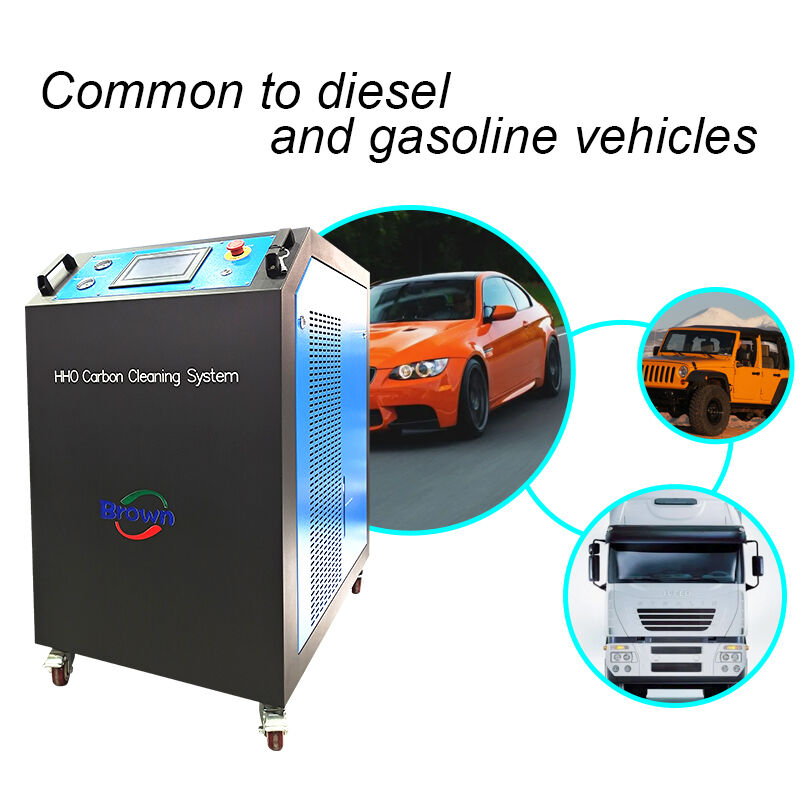
The Science Behind Hydrogen Carbon Cleaning Machines
A hydrogen carbon cleaning machine operates on the well-established electrochemical principle of electrolysis—specifically, the electrolysis of distilled water to generate oxyhydrogen (HHO) gas. This hydrogen–oxygen mixture is introduced into the engine’s intake system while the engine runs. Hydrogen’s unique reactivity enables a targeted, low-temperature chemical reduction that breaks down carbon deposits without damaging sensitive components—a fundamental departure from abrasive mechanical methods or residue-prone solvent flushes.
Catalytic Hydrogen Reaction: Breaking Down Carbon Bonds at Molecular Level
Inside the combustion chamber, hydrogen acts not as fuel but as a catalyst: it penetrates soot, sludge, and coked oil deposits and weakens the strong covalent bonds holding carbon structures together. Simultaneously, the oxygen in HHO supports oxidation, converting freed carbon into CO₂ and water vapor—harmless exhaust byproducts. Because this reaction occurs at the molecular level, it reaches deep into piston ring grooves, valve seats, and EGR passages where conventional cleaners cannot go. The result is uniform, non-thermal removal of carbon—no abrasion, no thermal stress, and no risk to seals or sensors.
Controlled Thermal Decomposition vs. Traditional Solvent or Mechanical Methods
Traditional decarbonizing relies on either caustic solvents—which leave residues requiring disposal—or invasive mechanical techniques like walnut blasting or wire brushing, both of which risk surface damage and incomplete coverage. In contrast, hydrogen cleaning uses controlled thermal decomposition: the slight temperature rise from HHO combustion initiates pyrolysis of carbon compounds without exceeding safe thresholds for engine materials. This dual-action process—catalytic reduction plus gentle thermal activation—converts deposits directly into exhaust gases. Unlike solvents, it poses no risk to rubber gaskets or oxygen sensors; unlike mechanical methods, it requires no disassembly and achieves full-system coverage. The outcome is a safer, faster, and more thorough clean—ideal for modern high-precision engines.
How a Hydrogen Carbon Cleaning Machine Works: From HHO Generation to In-Engine Cleaning
On-Demand Oxyhydrogen (HHO) Production via PEM Electrolysis
Hydrogen carbon cleaning machines use proton exchange membrane (PEM) electrolysis to generate HHO gas on demand. Distilled water flows through a sealed electrolyzer, where an electric current—drawn from the vehicle’s 12V battery—splits it into hydrogen and oxygen. PEM technology ensures high-purity, stoichiometric HHO output with minimal energy loss and zero harmful byproducts. Because gas is produced only during operation, storage hazards are eliminated. The HHO is then fed directly into the air intake manifold via a calibrated hose. This eliminates the need for pressurized tanks, pre-mixed gases, or hazardous chemicals—making the process quiet, low-maintenance, and workshop-ready.
Safe, Non-Invasive Injection and Real-Time Carbon Oxidation in Combustion Chambers
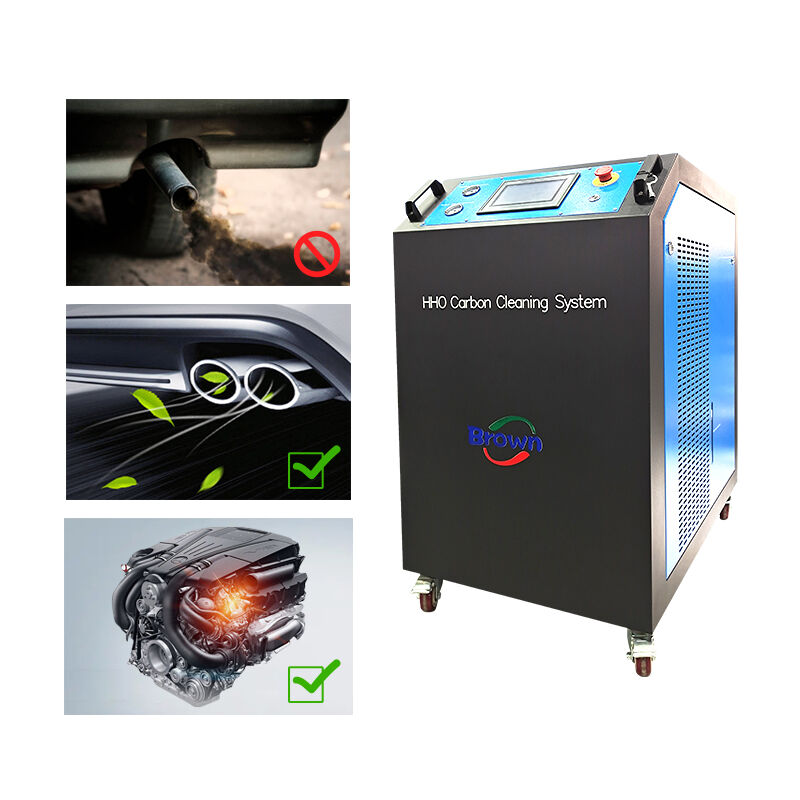
The HHO gas enters the intake system at idle speed and is drawn naturally into the cylinders with the incoming air charge. Within the combustion chamber, the hydrogen-rich mixture enhances flame speed and local combustion temperature—triggering pyrolysis and catalytic oxidation of carbon deposits. Deposits soften, detach from metal surfaces, and exit as fine particulates through the exhaust. Pistons, intake and exhaust valves, fuel injectors, and turbocharger vanes are cleaned in situ, with no disassembly required. Crucially, because injection is synchronized with engine operation and limited to low-flow conditions, oxygen sensors, catalytic converters, and EGR valves remain unaffected. A typical 30–45 minute session delivers immediate improvements—smoother idle, stronger throttle response, and reduced exhaust smoke—while eliminating labor-intensive manual cleaning.
Proven Results: Emissions, Efficiency, and Longevity Gains from Hydrogen Carbon Cleaning Machines
Hydrogen carbon cleaning delivers measurable, multi-dimensional benefits. Emissions drop significantly: fleet data shows reductions in CO, NOx, and particulate matter sufficient to help vehicles pass stringent emissions testing—even without hardware modifications. Fuel economy improves by 10–15% post-treatment, as restored combustion efficiency minimizes unburned hydrocarbons and maximizes energy extraction from each fuel molecule. Drivers report sharper throttle response, fewer misfires, and visibly cleaner diesel exhaust. Most compelling is the longevity impact: workshops performing biannual cleaning on high-mileage or turbocharged engines observe up to a 30% reduction in premature failures—particularly in turbochargers and direct-injection systems where carbon-induced heat retention and airflow restriction are primary failure accelerants.
Operational Best Practices and Limitations of Hydrogen Carbon Cleaning Machines
Ideal Use Cases: High-Mileage Vehicles, Diesel Engines, and Turbocharged Systems
Hydrogen carbon cleaning excels where carbon accumulation most severely degrades performance: high-mileage vehicles (≥100,000 km), diesel engines—especially direct-injection variants prone to soot buildup—and turbocharged powertrains. In turbo systems, carbon accumulation on vanes and intercoolers can reduce boost pressure and airflow efficiency by up to 15%, directly impacting responsiveness and thermal management. The non-abrasive, in-situ nature of hydrogen cleaning makes it uniquely suited to these precision-engineered platforms, where mechanical alternatives carry unacceptable risks of component damage or calibration disruption.
Critical Safety Protocols and Equipment Calibration Requirements
Hydrogen’s low ignition energy (0.02 mJ) demands strict adherence to safety protocols. Workshops must ensure minimum ventilation of 0.35 m³/min per kW of machine output to prevent localized gas accumulation. Leak detection systems require validation before every use, and critical components must be calibrated to manufacturer tolerances:
- Pressure regulators: ±0.5% accuracy
- Gas flow sensors: ±3% tolerance
- Temperature monitors: certified for 100–150°C
Only distilled water should be used—never tap or mineral water—and electrolyte concentration (typically 10–15% KOH) must be verified before each session. A 5–10 minute post-cleaning idle cycle ensures complete purging of residual gas. According to thermal process analyses, skipping calibration or using substandard water can cut cleaning efficacy by 30–40% and elevate backfire risk—underscoring why disciplined operation is essential to both safety and results.
Frequently Asked Questions (FAQ)
What is a hydrogen carbon cleaning machine?
A hydrogen carbon cleaning machine uses electrolysis to generate oxyhydrogen (HHO) gas, which cleans engine components by breaking down carbon deposits at a molecular level.
How does hydrogen clean carbon deposits?
Hydrogen acts as a catalyst, weakening the bonds holding carbon structures together and enabling oxidation, which converts carbon into harmless gases like CO₂ and water vapor.
Is hydrogen cleaning safe for all engine types?
Yes, it is safe for modern engines, including diesel, turbocharged, and direct-injection engines, as the process is non-invasive and doesn’t require disassembly.
What are the benefits of hydrogen carbon cleaning?
It reduces emissions, improves fuel economy by 10–15%, enhances engine efficiency, and minimizes the risk of premature failures in high-mileage or turbocharged engines.
Are there any safety considerations when using a hydrogen carbon cleaning machine?
Yes, proper ventilation, calibrated equipment, and adherence to safety protocols are essential to ensure effective and safe operation.
Table of Contents
- The Science Behind Hydrogen Carbon Cleaning Machines
- How a Hydrogen Carbon Cleaning Machine Works: From HHO Generation to In-Engine Cleaning
- Proven Results: Emissions, Efficiency, and Longevity Gains from Hydrogen Carbon Cleaning Machines
- Operational Best Practices and Limitations of Hydrogen Carbon Cleaning Machines
- Frequently Asked Questions (FAQ)