 EN
EN

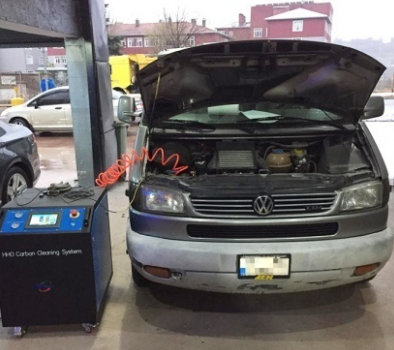
How HHO Carbon Cleaning Machines Remove Engine Deposits
The science: Electrolytic HHO generation and oxidative carbon breakdown
The HHO carbon cleaning machines that work well rely on electrolysis to break down distilled water into what's called oxyhydrogen gas, or HHO for short. This gas has a specific ratio of two parts hydrogen to one part oxygen. Putting this clean gas into an engine's intake changes how fuel burns inside there. The oxygen in HHO helps turn stubborn carbon buildup into carbon dioxide gas, while the hydrogen actually breaks down those tough hydrocarbon leftovers from regular fuel combustion. For best results though, the HHO needs to be really pure, above 99.99% in most cases. Even tiny amounts of contaminants like water vapor or nitrogen can mess up the chemical reactions we need, plus they might cause problems with condensation forming inside the engine components over time.
Real-world impact: Restored combustion efficiency, reduced NOx/PM emissions
HHO cleaning gets rid of carbon deposits that build up on pistons, intake valves, and fuel injectors, which helps restore how well the air and fuel mix together, keeps the combustion chambers sealed properly, and maintains good compression throughout the engine. According to various emission tests, engines treated this way tend to produce around 12 to 15 percent fewer unburned hydrocarbons, which means better gas mileage and cleaner exhaust overall. After going through the treatment process, nitrogen oxide emissions typically fall somewhere between 30 percent, while particulate matter drops anywhere from 25 to 40 percent depending on conditions. What makes HHO different from other methods like sand blasting or chemical solvents is that it doesn't put any extra strain on engine parts. This means mechanics don't have to worry about damaging valve seats, breaking gaskets during installation, or having sensors go out of whack after taking things apart for cleaning.
Key Performance Drivers of an Efficient HHO Carbon Cleaning Machine
Hydrogen output (LPH) and purity: Why 99.99% H₂ and matched flow rate matter for engine size
Getting rid of deposits isn't simply about having gas present it's really about how well that gas gets delivered throughout the system. Systems that meet certification standards produce HHO with purity levels above 99.99% at around 15 to 25 liters per hour. These systems adjust their output based on the size of the engine they're working with. If there's not enough flow, the gas can't reach those stubborn deposits sitting deep inside bigger cylinders. But pushing too much through doesn't help anything either it just burns extra energy without any real benefit. When done right, this careful balancing act makes sure every cylinder gets an even share of gas. The result? Better fuel mixing and more consistent burning throughout the engine, which helps cut down emissions over time while bringing back some lost power from worn engines.
System stability and safety: Auto-shutoff, pressure regulation, and real-time gas monitoring
Certified units come with built-in safety measures that ensure consistent performance across the board. First off, there's the thermal auto shut off feature which stops the electrolyte from getting too hot when running for long periods. Then we have pressure regulation valves that keep the gas density steady so the intake works predictably every time. And don't forget about those real time purity sensors either they actually stop the whole system dead in its tracks if the HHO concentration drops below 99.95%. This prevents moisture from getting carried over into the engine where it might cause serious damage like hydro lock. All these protections mean operators don't need to constantly monitor things manually anymore. They also cut down on risks compared to older style uncertified systems that rely on basic analog controls without any kind of feedback loop to correct problems automatically.
Operational Efficiency: Speed, Cost, and Non-Invasive Advantages
Time savings: <2-hour turnaround vs. 6+ hours for mechanical cleaning methods
HHO carbon cleaning machines certified for the job can get rid of all those carbon deposits in just under two hours. That's way faster than old school mechanical methods which take forever because they need mechanics to pull off cylinder heads, take apart valves, and scrape everything by hand. All technicians have to do is hook up the machine to the intake and fuel system while the engine runs at idle speed. The HHO gas then works its magic on the deposits right where they sit inside the engine. Shops that switched to HHO cleaning tell us they can clean 4 or 5 cars each day now, compared to only getting through 1 or 2 when doing it the hard way. This means shops make more money and keep their staff busy throughout the workday instead of having downtime between jobs.
Cost-per-cleaning analysis: ROI for fleets and workshops using certified HHO carbon cleaning machines
The cost for HHO cleaning services ranges around $25 to $40 each time, covering things like distilled water, KOH electrolyte solution, and the electricity needed to run the process. This brings down decarbonization expenses by roughly 60 to 80 percent when compared against mechanical methods that typically set businesses back over $150 per job. Those mechanical approaches involve not only labor costs but also replacement parts like gaskets and the need for recalibrating diagnostics after every session. When looking at larger operations, say a company maintaining 100 vehicles across their fleet, they could save well over $18,000 annually through switching to HHO technology. Most workshops find themselves getting their initial investment back within about 50 to 80 completed services too, and as volume increases, profit margins tend to grow wider as well. There are plenty more ways money gets saved operationally once companies stop relying on traditional methods altogether.
- Engine disassembly labor
- Inventory of replacement gaskets and seals
- Post-cleaning ECU relearning and sensor diagnostics
Because no disassembly is required, liability exposure from reassembly errors—such as torque misapplication or component misalignment—is removed entirely.
FAQ
What is HHO gas?
HHO gas, also known as oxyhydrogen, is a mixture of hydrogen and oxygen in a 2:1 ratio. It is used in carbon cleaning machines to improve combustion efficiency and reduce engine deposits.
How does HHO carbon cleaning benefit vehicle emissions?
HHO carbon cleaning helps to restore combustion efficiency, leading to reduced nitrogen oxide (NOx) and particulate matter (PM) emissions. It assists in decreasing unburned hydrocarbons and improving overall gas mileage.
What measures ensure the safety and stability of HHO carbon cleaning machines?
Certified HHO carbon cleaning machines include safety features like thermal auto shut-off, pressure regulation, and real-time gas monitoring, ensuring stable and consistent operation and preventing potential engine damage.
How do HHO carbon cleaning machines compare to traditional mechanical methods?
HHO carbon cleaning machines are significantly faster and less labor-intensive than traditional mechanical methods. They reduce costs by eliminating the need for part replacements and extensive labor, offering non-invasive cleaning within a short time.