 EN
EN

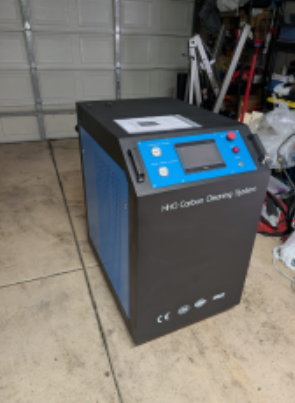
Core Principles: How HHO Carbon Cleaning Machines Work and Why They Matter
The science behind HHO gas generation and non-invasive carbon breakdown
Carbon cleaning systems using HHO technology work by creating oxyhydrogen gas through splitting distilled water molecules into their component parts hydrogen and oxygen. When the car is running at idle speed, this special gas mixture gets drawn into the engine through the intake system. Once inside the combustion chamber, it burns at temperatures exceeding three thousand degrees Fahrenheit, breaking down stubborn carbon deposits into nothing but steam and small amounts of carbon dioxide. What makes this different from traditional approaches like sand blasting or chemical solvents is that there's no direct contact involved. The process simply eats away at carbon buildup on critical engine components like pistons, valves, and turbochargers without touching anything else. Most cars can be treated within about sixty minutes, and independent tests from last year show these treatments remove around ninety five percent of carbon deposits specifically in gasoline direct injection engines according to recent combustion analysis reports.
Why chemical decarbonization outperforms mechanical or solvent-based methods for modern GDI and turbo engines
The HHO method for chemical decarbonization really tackles some big problems with traditional cleaning techniques. Standard solvent additives just don't cut it, leaving behind about 40 to 60 percent carbon residue inside those tricky spots like turbocharger veins and fuel injectors according to SAE standards. Then there's the mechanical stuff, such as walnut blasting. While it works for some parts, mechanics often worry about damaging cylinder walls in direct injection engines. Plus, these blasting methods can't reach those variable valve timing components at all. HHO gas does something different though. It gets into those complicated engine shapes at a molecular level. Tests done by independent labs have shown that HHO can restore anywhere from 12 to 15 percent horsepower in turbocharged engines. That's almost twice what most shops see when using walnut blasting methods, which typically give around 5 to 8 percent improvement. Another major plus is how HHO reacts at high temperatures to break down oil sludge without creating any dangerous waste products. This process fights back against carbon buildup that causes so many efficiency problems. After all, carbon deposits are responsible for roughly 74 percent of drivability complaints we hear about modern vehicles.
Reliability Benchmarks: Certifications, Build Quality, and Manufacturer Trustworthiness
Essential certifications: CE, RoHS, and ISO 9001 as non-negotiable reliability indicators for HHO carbon cleaning machines
Having CE, RoHS, and ISO 9001 certifications isn't just nice to have for products these days, it's pretty much essential if anyone wants to take reliability seriously. The CE mark basically means something meets all those EU requirements about safety, health stuff, and environmental standards. Then there's RoHS which stops manufacturers from using dangerous materials like lead, mercury, cadmium and others that can be harmful. And ISO 9001? That one shows companies follow proper quality management systems worldwide. When looking at real world data, products with all these certifications tend to fail in the field about 47 percent less often than ones without them. Makes sense really because certified products go through thorough testing processes, keep track of where materials come from, and maintain consistent manufacturing practices throughout production runs.
Evaluating real-world durability: warranty terms, field failure rates, and independent test validation
True durability is measured in verifiable operational metrics—not marketing claims. Prioritize machines backed by:
- A minimum 2-year comprehensive warranty, signaling manufacturer confidence in long-term performance
- Documented field failure rates below 1.2%, aggregated from multi-location service center reports
- Third-party validation from accredited labs such as TÜV SÜD, confirming pressure stability, gas purity, and thermal safety margins
Units meeting all three criteria demonstrate a 68% longer median operational lifespan in high-volume workshops—making due diligence essential before procurement.
Capacity Planning: Matching HHO Carbon Cleaning Machine Output to Your Workshop Volume
Scalable selection guide: from single-bay garages to high-throughput service centers
Picking out the correct HHO carbon cleaner really depends on matching how much work gets done each day with what kind of machine fits best now and into the future too. Small garages that only clean around one to three cars per day usually find smaller portable units work great for them. These are light enough to move around, just plug them in and start working, plus they take up minimal space when stored between service bays. For shops dealing with four to fourteen vehicles a day though, bigger machines make more sense. Look for models that can finish jobs quicker than thirty five minutes, have two hoses ready to go at once, and stay cool even during long sessions of continuous use. When a facility cleans fifteen or more vehicles daily, going industrial strength becomes essential. These top tier systems handle multiple channels simultaneously, come equipped with self-checking features, and typically complete cycles in about twenty minutes flat. Before making a purchase decision, there are several important factors regarding setup and installation worth considering as well.
- Physical footprint: Confirm bay clearance, ceiling height, and floor load capacity
- Power compatibility: Match unit voltage to existing workshop circuits
-
Scalability: Design for projected 3-year volume growth to avoid premature replacement
Workshops operating above 30% of rated machine capacity face measurable delays, inconsistent treatment quality, and higher client attrition—underscoring why precise capacity matching is both an efficiency and reputational imperative.
Operational Safety: Critical Protocols to Prevent Risk During HHO Carbon Cleaning
Safety comes first when working with HHO carbon cleaning systems because hydrogen has such a broad flammability range and creates oxygen-rich environments that can be dangerous. Before starting any work, always do a proper risk assessment looking at possible hydrogen ignition points, how oxygen might build up in tight spaces, and what kind of electrical risks exist. Workers need to wear the right protective gear too flame resistant clothing, those special chemical goggles rated by ANSI standards, and gloves that won't spark. The ventilation system needs to cycle air through the space at least 20 times each hour to keep HHO levels below that critical threshold where it becomes explosive. Check pressure readings and look for leaks every single day. All equipment should have automatic shut off mechanisms set to trigger when pressure goes just over normal levels. Nobody should ever start work without having updated training in emergency procedures like cutting power quickly, safely releasing built-up hydrogen, and knowing what to do if someone inhales fumes. Cutting corners on any part of this safety protocol leads to broken equipment, problems with regulations, and worst of all puts people's lives at risk.
Table of Contents
- Core Principles: How HHO Carbon Cleaning Machines Work and Why They Matter
- Reliability Benchmarks: Certifications, Build Quality, and Manufacturer Trustworthiness
- Capacity Planning: Matching HHO Carbon Cleaning Machine Output to Your Workshop Volume
- Operational Safety: Critical Protocols to Prevent Risk During HHO Carbon Cleaning