 EN
EN

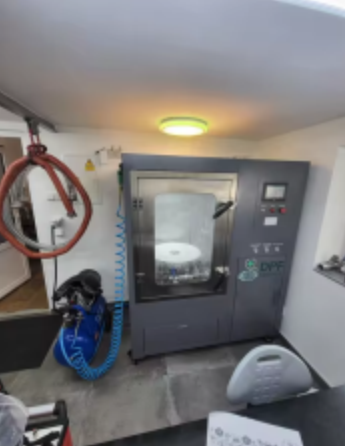
Advanced Cleaning Performance: Precision, Adaptability, and Multi-Material Efficacy
Real-time monitoring and adaptive cycle control for dynamic soot load compensation (0.5–12 g/L)
The latest DPF cleaning gear has real time sensors that keep track of how much soot builds up during the regeneration process. These smart systems adjust things like heat settings and air flow as needed based on what they actually detect inside the filter. The technology works well across different situations too. It can handle everything from just 0.5 grams per liter all the way up to 12 grams per liter of soot buildup. That means it cleans both those city cars that don't get driven much and big industrial machines that accumulate lots of dirt over time. What makes this approach special is that it prevents problems with either leaving too much grime behind or damaging filters that aren't really dirty. As an added bonus, these systems bring down cleaning cycles by about 30 percent compared to older methods where people had to set timers manually. Best part? There's no need for technicians to tweak anything themselves. Once installed, operators simply let the system do its job reliably regardless of whether they're working on a single vehicle or managing an entire fleet.
Dual-frequency ultrasonic technology integrated with pulsating airflow for cordierite, SiC, and metal mesh compatibility
Top systems combine 25 kHz and 45 kHz ultrasonic transducers along with controlled bursts of air for cleaning that works on different substrates without sacrificing quality. The high frequency stuff breaks up those tiny particles stuck in fragile cordierite honeycomb structures. Meanwhile, the lower frequencies tackle stubborn ash buildup in tough silicon carbide filters. And these carefully timed air blasts get deep into metal mesh without messing up the fibers. What does this mean? About 98% of dirt gets removed from pretty much every kind of filter material out there. Workshops can clean entire mixed vehicle fleets using just one setup instead of switching between different methods for each filter type. No more worrying about cross contamination issues or having separate cleaning procedures for each substrate. Plus, parts last longer since they aren't getting damaged mechanically or thermally during the cleaning process, which saves money in the long run.
Robust Process Reliability: Consistent, Validated, and Standards-Compliant Results
Premium DPF cleaning equipment delivers repeatable, auditable outcomes across variable operating environments and regulatory frameworks. Its reliability is built into integrated engineering—not layered on as an afterthought—ensuring compliance with environmental, safety, and emissions standards without operator intervention.
Closed-loop wastewater handling and chemical compatibility with aqueous, thermal, and hybrid DPF cleaning fluids
The latest systems come equipped with completely sealed wastewater circuits that actually manage to recycle about 95% of all process fluids right from where they're generated. When we look at how these stack up against older open-loop systems, the difference is staggering - water usage drops somewhere between 85% and 90%, and there's absolutely no chance of anything getting discharged into the environment. These systems typically have several stages of filtration working together. First comes centrifugal separators, then activated carbon filters which work wonders at removing tiny particles as small as 5 microns and getting rid of those pesky dissolved hydrocarbons until they're basically undetectable below 5 parts per million. The whole setup is built to last thanks to materials that resist corrosion, like those heavy duty 316L stainless steel chambers and valves sealed with PTFE. This makes them compatible with pretty much any industrial application out there without worrying about breakdowns or chemical reactions messing things up.
- Aqueous solutions (pH 2–12), such as citric acid or caustic soda blends
- Thermal fluids operating at 300–800°C for controlled carbon burnout
- Hybrid chemistries, where ultrasonic agitation enhances solvent efficacy
This universal fluid adaptability allows seamless switching between cleaning methods—no fluid changeovers, no hardware modifications, and no downtime. Real-time conductivity and pH sensors automatically maintain chemistry integrity across 10,000+ cycles, supporting ISO 14001 environmental compliance.
TÜV-certified validation: ≥95% volumetric capacity restoration confirmed via backpressure delta and ash weight analysis
TÜV SÜD independently validates ≥95% volumetric capacity restoration across 500+ test cycles on cordierite, SiC, and metal mesh substrates—using standardized, repeatable protocols aligned with ISO 5011 and Euro 6/EPA Phase 2 requirements. Certification requires passing both:
| Metric | Threshold | Measurement Protocol |
|---|---|---|
| Backpressure delta | ≤5% of new filter baseline | At 500 m³/h flow rate (ISO 5011) |
| Residual ash weight | ≤0.5 g/L filter volume | Post-cleaning gravimetric analysis |
The test results we've seen so far keep showing pressure differences staying under 15 kPa mark while ash buildup remains at less than 3% of what's inside the filters. We ran these tests repeatedly in all sorts of weather extremes from minus 20 degrees Celsius right up to 50 degrees, plus humidity levels ranging between 20 and 95 percent. Even after running nonstop for around 10,000 hours straight, the performance stays consistent. For workshop managers dealing with inspections and paperwork, there's complete documentation available for compliance purposes. And let's not forget about the money saved either. Most shops report cutting down on replacement expenses by nearly 70%, simply because these filters last two to three times longer before needing to be changed out.
Workshop-Ready Durability and Safety: Engineered for Professional DPF Cleaning Equipment Operators
Overheat Protection, Leak-Resistant Stainless Steel Chambers, and ISO 9001-Aligned Manufacturing
The best DPF cleaning gear out there gets used every day in tough industrial settings, but still keeps operators safe and lasts for years without breaking down. When things get too hot, the system just powers itself off automatically, so there's no risk of fires and all those expensive inner parts stay protected. The tanks are made from leak-proof 304 stainless steel, which handles harsh chemicals and works under pressure without any issues. We put them through intense pressure tests to make sure absolutely nothing leaks out during operation. Each machine follows ISO 9001 quality standards, and we run them through 23 different stress tests that simulate what happens after ten years of constant workshop use. All these safety features together cut maintenance costs around 40 percent, make the machines last longer, and keep operations running smoothly while meeting all OSHA requirements for handling dangerous substances.