 EN
EN

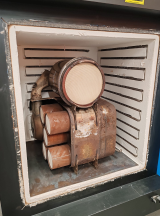
Improved Engine Performance and Fuel Efficiency
How a Clogged DPF Reduces Engine Power and Increases Fuel Consumption
When a Diesel Particulate Filter gets plugged up, it builds up way too much backpressure sometimes reaching around 4.8 psi according to SAE International from last year. This puts extra pressure on the engine making it run roughly 12 to 15 percent harder than normal. For big rigs specifically, this means losing power output while burning significantly more diesel fuel probably somewhere between 8 and 10 percent increase in consumption. What happens next is pretty bad for maintenance budgets too because the hotter exhaust gases coming through damage turbochargers faster than usual. Mechanics see these issues all the time when doing routine checks on fleet vehicles, which leads to expensive fixes down the road and overall worse performance from what should be efficient engines.
The Science Behind Clean DPFs: Restoring Airflow and Combustion Efficiency
Cleaning restores the DPF’s critical 2-micron pore structure, optimizing airflow and combustion. Key improvements include:
| Metric | Clogged DPF | Clean DPF | Improvement |
|---|---|---|---|
| Backpressure | 4.8 psi | 1.2 psi | 75% reduction |
| Airflow Rate | 68 CFM | 92 CFM | 35% increase |
| Combustion Efficiency | 81% | 89% | 8% gain |
Restored airflow enables optimal oxygen-to-fuel ratios, minimizing incomplete combustion and fuel waste. Modern diesel particulate filter cleaning machines use phased regeneration and oxidation processes to achieve these results reliably.
Real-World Impact: Fuel and Performance Gains in Commercial Fleets Post-Cleaning
According to a recent study looking at around 8,200 big rigs last year, companies that stick to regular DPF cleaning schedules actually get about 2.8% better gas mileage compared to those waiting until problems pop up. Take one regional transportation company for instance they claimed each truck saved roughly 13 gallons every day once they switched to automatic cleaning systems. At today's fuel costs, that adds up to nearly $19k saved annually per vehicle. The numbers back up what many mechanics already know from experience too engine efficiency experts have long pointed out that almost 40% of how well modern diesel engines perform depends on keeping exhaust systems running smoothly without blockages.
Significant Cost Savings Through DPF Cleaning vs. Replacement
The High Cost of DPF Replacement and Associated Repairs
Replacing a DPF costs $2,500–$10,000 per unit, with labor adding 20–30%. Even minor exhaust system damage from neglected filters averages $740k annually per fleet (Ponemon 2023). Major financial risks include:
- 12–48 hours of workshop downtime per replacement
- Turbocharger failures costing $1,200–$4,500 due to increased backpressure
- EPA fines up to $37,500 per vehicle for emissions violations
Economic Benefits of Using a Diesel Particulate Filter Cleaning Machine
Regular cleaning with a professional-grade diesel particulate filter cleaning machine cuts operational costs by 83% compared to replacements. At $300–$1,000 per service, benefits include:
| Cost Factor | Replacement | Cleaning |
|---|---|---|
| Parts Expense | $7,200 | $0 |
| Labor Hours | 18 | 4 |
| Downtime Losses | $2,100/day | $280/day |
| 5-Year Maintenance | $32k | $5.4k |
This approach preserves original equipment warranties and restores 97–99% of filtration capacity in most cases.
ROI Case Study: Industrial DPF Cleaning Systems in Fleet Maintenance Shops
A Midwest logistics company with 42 trucks implemented quarterly DPF cleaning, achieving:
- Annual replacement costs dropped from $216k to $18k (92% reduction)
- Unscheduled maintenance events fell by 67% over 18 months
- Fuel consumption decreased by 11% due to improved exhaust flow
The $38k initial investment paid for itself in 7 months, with ongoing annual savings exceeding $310k. Predictive cleaning now prevents 89% of emission-related roadside inspections, reducing compliance costs by $14k/month.
Extended DPF Lifespan and Reduced Vehicle Downtime
Preventing Premature DPF Failure with Regular Cleaning
Proactive cleaning prevents irreversible damage by removing ash before it exceeds 8–10 grams per liter–the threshold linked to permanent filter degradation (SAE International 2022). By breaking down compacted soot layers, regular maintenance stops exhaust gases from bypassing the filter matrix, a condition responsible for 72% of premature DPF replacements.
How Diesel Particulate Filter Cleaning Machine Use Minimizes Operational Downtime
Scheduled cleaning avoids the 6–48 hour downtime typical of emergency replacements. On-site systems allow maintenance during routine service windows, while third-party services average 3.7 business days for shipping and processing (Commercial Fleet Maintenance Benchmark 2023). Automated machines with cycle times under 25 minutes enable multiple cleanings per shift without disrupting shop operations.
Case Study: Logistics Company Cuts Downtime by 40% with Predictive DPF Maintenance
A regional delivery fleet introduced sensor-based ash monitoring and ultrasonic cleaning, yielding:
| Metric | Before Cleaning Program | After Implementation |
|---|---|---|
| Annual DPF replacements | 29 | 7 |
| Unscheduled downtime | 214 hours | 128 hours |
| Roadside service calls | 17 | 2 |
The 18-month study confirmed that cleaning at 85% soot load capacity maximizes filter life and minimizes service disruptions.
Environmental Benefits and Compliance Support
Reducing Emissions: How Clean DPFs Contribute to Lower Pollution
Well-maintained DPFs capture 95% of particulate matter (PM), preventing over 1.2 million metric tons of PM from entering urban air annually (International Council on Clean Transportation 2022). This plays a vital role in improving air quality and reducing health risks associated with respiratory diseases and environmental acidification.
Emission Test Results Before and After Ultrasonic DPF Cleaning
Ultrasonic cleaning delivers measurable environmental improvements:
- PM emissions reduced by 93% post-cleaning in Class 8 trucks (EPA 2023 verification)
- NOx levels dropped 21% due to restored catalytic function
- Opacity test failures declined from 18% to 3% in municipal inspections
These outcomes help fleets meet strict EPA Tier 4 emission standards, which require PM emissions below 0.02 g/kWh for heavy-duty engines.
Aligning Fleet Maintenance with Sustainability and Regulatory Standards
Forward-thinking operators integrate DPF cleaning into broader sustainability strategies:
- Achieving verified emission reductions that support corporate net-zero goals
- Ensuring compliance with cross-border regulations like EU Euro VI and U.S. Clean Air Act
- Avoiding environmental penalties, which averaged $740k per violation in 2023
This integrated approach helps fleets exceed 85% of sustainability KPIs tracked in transportation reports, according to 2024 fleet maintenance analyses.
Choosing the Right DPF Cleaning Methodology for Your Operation
Overview of DPF Cleaning Methods: Thermal, Aqueous, and Ultrasonic
Three primary methods dominate fleet maintenance:
- Thermal cleaning burns off soot at 600–700°C, restoring 95–98% flow in filters with >10g/liter ash (Industry Analysis 2023)
- Aqueous systems use pressurized water and biodegradable detergents to remove oil and coolant residues safely
- Ultrasonic technology employs high-frequency soundwaves in chemical baths to dislodge embedded ash, ideal for ceramic substrates
Thermal cycles take 8–12 hours but handle severe blockages best; ultrasonic cleaning is faster and gentler on delicate filters.
Automated vs. Manual Cleaning Systems: Effectiveness and Scalability
Automated systems reduce labor costs by 60% in heavy-duty applications. Key differences:
| Factor | Automated Systems | Manual Methods |
|---|---|---|
| Throughput Capacity | 12–18 filters/day | 4–6 filters/day |
| Consistency | ±2% performance variance | ±15% variance |
| Fleet Scalability | Ideal for 50+ vehicles | Suitable for <20 |
Recent studies show automated systems achieve 99.3% particulate removal versus 89.7% with manual methods in Class 8 fleets.
Selecting the Best Diesel Particulate Filter Cleaning Machine Based on Fleet Needs
Key selection criteria:
- Contamination profile: Oil-heavy deposits need thermal/aqueous hybrids; ash buildup responds best to ultrasonic
- Operational density: Urban delivery fleets with 200+ daily stops benefit from rapid-cycle thermal machines
- Future regulations: Choose systems exceeding EPA Tier 4 Final and EURO 7 thresholds
- Budget alignment: Automated ultrasonic units offer a 3.2-year ROI versus 5.1 years for manual setups in mid-sized fleets
As shown in comparative studies, integrating telematics with cleaning diagnostics reduces unplanned DPF replacements by 73% in temperature-controlled logistics operations.