 EN
EN

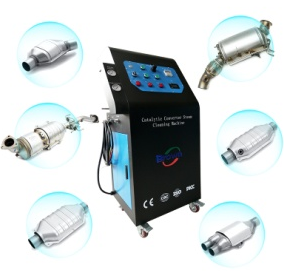
Why Catalytic Converter Cleaning Machines Are Critical for Emission Compliance and Longevity
Primary Contamination Sources: Soot, Carbon, and Oil-Related Catalyst Blockage
The main culprits behind catalytic converter degradation are actually pretty straightforward. We're talking about soot buildup from engines that don't burn fuel completely, those stubborn carbon deposits that harden over time, plus all sorts of oil residue sneaking in from engine blow-by. These nasty substances end up blocking the honeycomb structure inside the converter, which houses precious metals like platinum, palladium, and rhodium responsible for cutting down harmful emissions. Believe it or not, once around 25 to 30 percent of the internal channels get clogged, the EPA reports show a massive decline in performance. NOx and CO reduction drops anywhere between 40 and 60 percent. That kind of drop off means failed smog tests and having to replace converters way before their time. Fleet managers know this all too well since replacements typically run about $740 each according to Ponemon research from last year. Fortunately, there are specialized cleaning machines designed specifically for catalytic converters. They use techniques such as ultrasonic cavitation to blast away the gunk while keeping the delicate catalyst coatings intact. This approach restores proper airflow without compromising the converter's ability to reduce pollutants effectively.
How Poor Fuel Quality, Engine Misfires, and Extended Idling Accelerate Degradation
The reason we have these low sulfur fuel standards is pretty straightforward. When engines run on high sulfur fuels, they basically poison the catalytic converters. And when there are misfires, all those unburned hydrocarbons get dumped into the converter where they quickly turn into carbon deposits. Let's face it, sitting around idling just makes things worse because the exhaust stays cold and can't kickstart that natural self cleaning process inside the converter. According to SAE studies, cars that spend more than two hours each day just sitting there idle their catalysts degrade three times faster than normal operation would cause. What happens next? Well, blocked converters start spewing out hydrocarbons at levels 8 to 10 times higher than what regulations allow. But regular cleaning really helps stop this whole downward spiral. Fleet managers who track actual vehicle maintenance see that proper cleaning keeps them compliant with regulations and adds anywhere from five to seven extra years of useful life to those expensive converters.
Core Technologies in Modern Catalytic Converter Cleaning Machines
Ultrasonic Cavitation: Precision Removal Without Thermal Stress
The process of ultrasonic cavitation relies on high frequency sound waves to create tiny bubbles within a specially formulated cleaning solution. When these bubbles pop against internal surfaces, they create little shockwaves that knock away carbon deposits and soot particles right down at the microscopic level, all without generating heat or causing any kind of physical wear. Since the whole operation happens at room temperature, there's no risk of thermal stress that might otherwise crack ceramic components or damage precious metal parts through sintering effects. Lab tests have shown this technique removes between 85 to 92 percent of particulates while keeping everything structurally sound and maintaining its catalytic properties. For those working with expensive equipment where even minor damage is unacceptable, this makes ultrasonic cavitation particularly valuable compared to other cleaning methods.
Controlled Thermal Desorption: Safe Volatilization of Stubborn Hydrocarbons
Controlled thermal desorption, or CTD for short, works by applying carefully controlled heat between around 300 and 500 degrees Fahrenheit to get rid of those stubborn oil residues and heavy hydrocarbons stuck deep inside the catalyst pores. The system uses sophisticated sensors to keep things running at safe temperatures so we don't risk damaging precious metals like platinum, rhodium, and palladium through overheating. What makes this different from regular heating approaches is how specifically it goes after those thick, gooey contaminants that build up from bad combustion processes or excessive oil consumption. Tests have shown this method can eliminate about 90% of those pesky hydrocarbons while still keeping the catalyst working properly. And there's another benefit too: studies indicate that converters treated with CTD actually perform about 40% better at reducing nitrogen oxides after cleaning compared to when just solvents are used.
Why Dual-Mode Systems Outperform Single-Technology Cleaners
Dual mode systems combine ultrasonic cavitation with controlled thermal desorption to tackle both particulate buildup and hydrocarbon fouling all in one go. The ultrasonic waves shake loose surface carbon deposits, while the controlled thermal desorption process gets rid of those stubborn oils buried deep inside components. Together they work better than either would alone, clearing away around 95% of contaminants according to tests. According to SAE research, these dual action machines actually prolong the life of catalytic converters by roughly 2 to 3 years compared to older single technology approaches. For fleet operators, this means saving about $740 each year on replacements per vehicle as noted in the Ponemon study from 2023. What makes this approach so effective is that it stops problems before they start, avoiding issues like dangerous steam hammer pressure spikes and residual poisoning that often happen when different cleaning processes get mixed up or done out of order.
Measuring Real-World Effectiveness and Avoiding Common Pitfalls
Validated Performance: EPA and SAE Data on Post-Cleaning CO/NOx Reduction
The effectiveness of this approach is not just theory but something that can actually be measured. According to tests conducted by the EPA in 2023, when converters are professionally cleaned they bring back around 90 to almost 95 percent of their original ability to control carbon monoxide emissions, while nitrogen oxide reductions return to between 85 and 90 percent of what they were when new. A follow up study from SAE International released in 2024 backs this up too. They found that converters cleaned following proper certification procedures maintain about 95 percent of their original efficiency levels for at least three years sometimes even longer. For mechanics working in repair shops or managing large vehicle fleets, these numbers mean real world advantages. Shops get compliance records ready for any audits and see actual returns on investment through better gas mileage improvements of roughly 12 to maybe 15 percent, saving money on replacement parts that would otherwise cost over two thousand dollars each, plus avoiding those costly fines that come with running vehicles that emit too much pollution.
Critical Risks: Steam Hammer, Overheating, and Irreversible Catalyst Poisoning
Improper cleaning doesn’t just underperform—it destroys. Three critical failure modes demand strict mitigation:
- Steam Hammer: Trapped vapor expanding rapidly causes destructive pressure spikes that fracture monolithic substrates. Prevention requires phased thermal ramping—not abrupt heating.
- Overheating: Temperatures above 1,500°F permanently vaporize platinum group metals. Dual-sensor temperature monitoring is non-negotiable.
- Catalyst Poisoning: Silicone-based solvents leave irreversible silica glaze; only NSF/ANSI 37-certified chemistries should be used.
According to SAE research from 2024, about one out of every five converters fails after being cleaned with inferior equipment. To prevent these issues, technicians need to actually check things instead of just assuming everything works fine. That means running those ultrasonic residue scans, doing proper material compatibility tests particularly important for hybrids that have those special palladium catalysts, and making sure whatever cleaning solution is used stays within neutral pH levels. The real game changer though? Investing in cleaning systems equipped with auto-abort features. These smart machines automatically shut down when they detect abnormal pressure spikes or temperature changes, effectively transforming what could be risky operations into reliable ones over time.
FAQ
Why is it important to clean catalytic converters?
Cleaning catalytic converters is crucial for maintaining their performance and ensuring they effectively reduce harmful emissions, ultimately helping vehicles remain compliant with environmental regulations.
What causes catalytic converters to become contaminated?
Contamination primarily occurs due to soot buildup, carbon deposits, and oil residues that block the converter's honeycomb structure, hindering its efficiency.
What technologies are used for cleaning catalytic converters?
Modern cleaning machines use ultrasonic cavitation and controlled thermal desorption to effectively remove contaminants without causing damage to the converters.
How do dual-mode cleaning systems benefit catalytic converters?
Dual-mode systems combine multiple cleaning methods, effectively removing both surface carbon deposits and deeper oil residues, which results in longer-lasting converter performance.
What are some risks associated with improper cleaning of catalytic converters?
Improper cleaning can lead to steam hammer, overheating, and irreversible catalyst poisoning, resulting in damaged converters and reduced efficiency.
Table of Contents
- Why Catalytic Converter Cleaning Machines Are Critical for Emission Compliance and Longevity
- Core Technologies in Modern Catalytic Converter Cleaning Machines
- Measuring Real-World Effectiveness and Avoiding Common Pitfalls
-
FAQ
- Why is it important to clean catalytic converters?
- What causes catalytic converters to become contaminated?
- What technologies are used for cleaning catalytic converters?
- How do dual-mode cleaning systems benefit catalytic converters?
- What are some risks associated with improper cleaning of catalytic converters?