 EN
EN

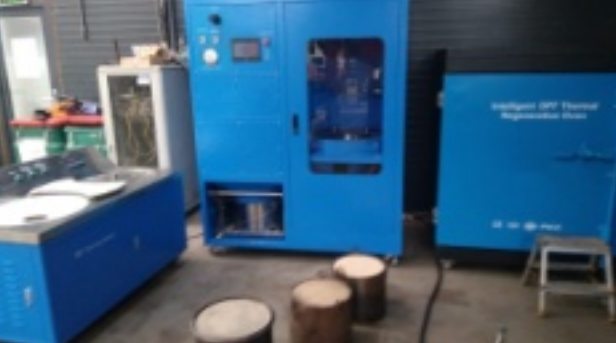
What Is a DPF Cleaner and Why It Matters for Diesel Engine Performance
Diesel Particulate Filters (DPFs) work by capturing soot particles in exhaust gases, which helps cut down on harmful pollutants released into the atmosphere. As time goes on, these filters get clogged with soot buildup. When this happens, engine performance drops significantly - sometimes as much as 10% loss in efficiency - and fuel economy takes a hit too. That's why DPF cleaners matter so much for vehicle maintenance. They come in various forms including special chemicals or heat treatments that tackle those tough soot deposits when the system regenerates itself, helping restore proper exhaust flow again. If drivers ignore regular cleaning routines, things can go bad fast. A blocked DPF will put an engine into limp mode, potentially wrecking expensive turbochargers that cost around $2,500 to fix. Worse still, vehicles might fail emissions tests under regulations such as Euro 6 standards, leading to penalties that could top $1,000 depending on location.
Key benefits of consistent DPF maintenance include:
- Optimized fuel economy: Clean filters reduce backpressure, improving mileage by 3–5%
- Extended component life: Prevents ash-induced substrate damage requiring $4,000+ replacements
- Regulatory adherence: Maintains particulate matter capture rates above 99% for emissions testing
Technicians note that 80% of DPF failures stem from inadequate cleaning intervals. Proactive use of DPF cleaners avoids 7–10% horsepower loss and protects against secondary engine damage. For fleets, this translates to reduced downtime and lower total ownership costs.
How DPF Cleaner Works: Chemical, Thermal, and On-Board Cleaning Methods
Catalytic Additive-Based DPF Cleaner Solutions
DPF cleaners that work with catalytic additives help reduce the temperature needed to ignite built-up soot, allowing it to burn off even when exhaust temps stay under 600 degrees Fahrenheit. These liquid products can go either into the fuel tank or straight into the exhaust system itself. What makes them work is the metal oxides like cerium and iron they contain, which basically wrap around the particulate matter. Once this catalytic layer forms, it speeds up the oxidation process during regular driving, turning those stubborn carbon particles into just plain old CO2. How well they perform depends largely on what's actually in the solution and how long it stays in contact with the filter material. Most field tests show these cleaners can bring back around 90 to maybe 95 percent of airflow in filters that are only partially clogged. Another big plus compared to harsher cleaning methods is that catalytic solutions don't damage the delicate ceramic parts inside the DPF and there's no need to take anything apart for maintenance.
Thermal Regeneration Support and Forced Cleaning Protocols
To get rid of soot buildup, thermal methods work by heating up DPFs to around 1,100 degrees Fahrenheit or higher through either external ovens known as bake and blow systems or built-in vehicle components. When forced regeneration happens, additional fuel gets injected into the system which increases exhaust temperatures significantly. For deeper cleaning in workshops, technicians use industrial grade ovens that follow specific heating patterns to prevent damage to the filter material itself. After baking is complete, compressed air at pressures between 120 to 150 pounds per square inch blows away what remains of the ash residue. The best results come when different methods are combined like applying chemicals first then following up with heat treatment cycles. Tests conducted last year showed these combined approaches can eliminate almost all contaminants with one test achieving a remarkable 99 percent reduction in particulates. Getting temperature management right throughout this process matters a lot because if things get too hot without proper controls, it can lead to expensive repairs down the road for damaged DPFs.
Choosing the Right DPF Cleaner: Key Criteria for Fleet Managers and Technicians
Compatibility with Vehicle Make, Model, and DPF Type
Using the wrong DPF cleaner can actually ruin things permanently, so checking compatibility should always come first when selecting products. Make sure whatever cleaner we're talking about actually works with what's inside our particular DPF - whether it has cordierite, silicon carbide or those metal fiber cores - plus check if it handles the exhaust temps our engine typically runs at. Big rigs (those Class 8 trucks) generally handle much hotter conditions compared to smaller commercial vans, which means they need different treatment approaches entirely. A trucking company once had real problems after using incompatible additives, their filters degraded almost 43% quicker than normal according to some industry report from last year. Always double check what the manufacturer says versus what our actual vehicles require. Little things matter here too, stuff like urea compatibility issues can really mess up SCR systems down the road, leading to expensive fixes nobody wants to deal with.
Certifications, Emissions Compliance, and OEM Approval Status
When shopping around, look for products with ISO 9001 certification or those endorsed by EPA and CARB agencies since these basically mean they meet strict emissions standards such as Euro 6 or EPA Tier 4 requirements. Cleaners that have been approved by original equipment manufacturers tend to be safer choices because they come with official backing from the factory itself, so there's less chance of accidentally voiding warranties. According to research published in the 2023 Fleet Efficiency Report, nearly one out of every four fleet operators ended up failing their emissions inspections simply because they used cleaning products without proper certification. Don't forget to verify if something has ISO 14232-1 certification too, as this specific mark indicates that chemicals inside won't damage precious catalytic converter coatings over time. The stakes are pretty high here actually - companies caught using non compliant cleaning agents face potential penalties reaching all the way up to ten thousand dollars per incident under federal clean air regulations. That kind of financial exposure makes following environmental guidelines absolutely essential rather than optional.
Best Practices for Applying DPF Cleaner Safely and Effectively
Step-by-Step Application Process and Frequency Guidelines
First things first, make sure the engine has cooled down completely before starting. Take out the DPF sensor and pour the cleaner right into the filter housing following what the manufacturer says in their manual. Let it sit for about 15 to 30 minutes as instructed. After that, restart the engine so it can burn away all those stubborn residues. When it comes to regular maintenance, most mechanics recommend using the cleaner somewhere between 3,000 and 5,000 miles driven, or whenever they notice the regeneration happening more often than usual. Don't go overboard though. Stick close to the product recommendations because if someone skips too many cleanings, there's real risk of damaging that delicate catalytic coating inside the system.
Common Mistakes to Avoid (e.g., Overuse, Incorrect Timing)
Too much cleaner application happens all the time. When there's excess product left behind, it tends to create corrosive stuff that really speeds up how fast filters break down. Another common mistake? Cleaning while the system is running its regeneration cycle. This puts unnecessary heat stress on components. Good techs always check what temperature range their DPF operates at before starting any cleaning process and steer clear of doing maintenance right around when exhaust treatments occur. And don't forget about substrate compatibility either. Some filters work better with certain materials than others. For instance, cordierite versus silicon carbide makes a big difference. Studies show that getting this wrong can cut ash removal effectiveness somewhere between a third to half, depending on conditions.