 EN
EN

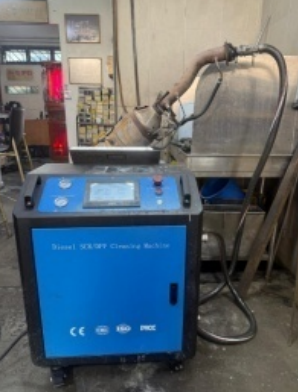
Measurable Performance Gains from Using a DPF Cleaning Machine
Reduction in Forced Regenerations and Operational Downtime
When forced regenerations happen because there's too much soot built up in the system, vehicles need to sit idling anywhere from 20 to 60 minutes. That eats away at valuable working time when crews could be out making deliveries instead. Regular DPF cleaning keeps filters running smoothly and cuts down on these forced regens by around 40 to 70 percent for most fleet operators. The difference matters a lot. Less frequent regenerations means better productivity during busy hours, less wasted fuel burning off excess soot unnecessarily, and more predictable schedules for both deliveries and maintenance work. For companies running their trucks hard all day long, downtime really adds up fast. We're talking about losses between $500 and $740 every single hour according to Transport Efficiency Journal data from last year. Even small improvements here translate into real money saved over time.
Fuel Economy Recovery: Evidence from 12-Month Fleet Trials
When diesel particulate filters get clogged, they block exhaust flow which makes engines work harder and burns more fuel, typically around 3 to 8% extra. Fleet operators ran tests over twelve months on different types of vehicles and found that cleaning DPFs every other month brought back between 2.1 and 4.9% in fuel efficiency by cutting down on backpressure. The effect was most noticeable in those big rigs doing long hauls, where the money saved on fuel actually paid for the cleaning costs within just 6 to 9 months. Why does this happen? Cleaner filters mean better combustion inside the engine and less stress on moving parts, something that matters a lot when driving through areas with strict emissions rules. After tracking results closely, technicians noticed that fuel savings leveled off after about three cleanings, so most shops now recommend sticking to this schedule as it balances cost against performance benefits pretty well.
DPF Cleaning Machine Reliability Across Real-World Duty Cycles
On-Highway vs. Vocational Fleets: Success Rate Variance by Usage Intensity
The effectiveness of DPF cleaning machines isn't really about the machine quality as much as it is about what kind of dirt gets stuck inside those filters based on how they're used day to day. Highway trucks generally do better since they cruise along at steady speeds which helps their diesel particulate filters regenerate naturally most of the time. This means less ash builds up over time, and technicians can usually get around 90 percent of normal airflow back after regular cleaning procedures according to fleet records we've seen. Vocational vehicles like construction trucks, garbage haulers, and utility work vans have a much harder time with this stuff. Their stop-and-go nature forces three times as many active regeneration events compared to highway rigs. Plus, when engines don't burn fuel completely, they produce these tiny soot particles that slip right into the filter pores where they nestle down hard to remove. And let's not forget about all the gritty road dust and silica particles these vehicles pick up working near gravel pits or demolition sites. Looking at data from over 9,500 actual cleanings done last year shows why there's such a big difference between truck types. Highway DPFs came out looking good about 94 percent of the time while vocational ones only hit around 76 percent even when cleaned exactly the same way. For those high idle situations common in delivery operations or parking lots, techs typically need to run longer heat treatments or bring out the ultrasonic cleaners. These extra steps take anywhere from 45 minutes to almost two hours per job. It's not that our cleaning techniques aren't working properly, it's just that some jobs require going deeper into the problem area because the mess is simply worse.
Cost-Benefit Analysis: ROI Thresholds for Mid-Size Fleets Investing in a DPF Cleaning Machine
Break-Even Point: Cost per Cleaned DPF vs. New Unit Replacement ($2,200–$4,800)
The cost to clean a diesel particulate filter usually ranges from around $200 to $500, which is roughly 60 to 80 percent cheaper than installing a brand new one that can set companies back anywhere from $2,200 up to nearly $5,000. Mid sized transportation companies that do at least 25 cleanings each year generally see their investment paid off within just over a year's time. Companies that replace four or more filters every year could potentially pocket anywhere between six thousand and eighteen thousand dollars simply by focusing on regular cleaning instead of constant replacements. A recent study conducted in the logistics sector back in 2023 found that almost 78 out of 100 fleets managed to break even after only fifteen cleanings once they spread out their equipment expenses across three calendar years.
Hidden Adoption Costs: Labor, Training, and Facility Requirements
Getting real return on investment means factoring in all those hidden costs when bringing something new into operation. Technicians typically spend around two to three hours on each cleaning task. Certification training for staff runs anywhere from eight to sixteen hours per person. Then there's the facility itself needing upgrades like proper bay space, good ventilation systems, and adequate drainage, which can set back operations between three thousand to eight thousand dollars for necessary retrofits. Looking at fleet efficiency numbers shows these added expenses bump up overall ownership costs by roughly eighteen to twenty five percent. What really matters though is how staff training affects day to day operations, often taking away seven to twelve valuable working hours every week while things get rolled out across the organization. If companies want to maintain actual savings, they need to aim for payback within twelve to eighteen months at most. Waiting too long just lets those cost savings fade away as the benefits of not having to replace equipment diminish over time.
Limitations and Critical Considerations for DPF Cleaning Machine Effectiveness
The Ash Retention Paradox: Why 'Clean' Doesn’t Always Mean 'Fully Restored'
After all the professional cleaning is done, there's still some leftover ash stuck in the filter material. This stuff comes from those metal-based additives in engine oils. According to industry reports, about 10 to 15 percent of this ash stays behind no matter what, which leads to around 5 to 8 percent drop in how well the filter works and its ability to let fluids pass through. What happens next is kind of strange. Filters might look clean on the outside but actually work harder because they create more backpressure (usually 12 to 18 percent higher than normal). They also regenerate heat slower and collect soot much quicker than fresh filters should. When filters have over 40 grams of this leftover ash, their performance drops below 85 percent of what they were originally rated for, even if someone looks at them and says they're fine. Smart fleet managers know to check the ash levels both before and after cleaning. Those filters with more than 50 grams of ash? They almost never meet today's emission requirements. Combining these tests with regular oil checks makes sense too. It helps spot engines running on oils that contain too much ash, which turns out to be the main reason filters break down permanently over time.