 EN
Why Auto Repair Chains Are Adopting Wholesale DPF Cleaning Machines
A growing number of auto repair chains are shifting from outsourced particulate filter servicing to in-house DPF cleaning—driven by tightening emissions regulations and the expanding base of aging diesel fleets. In Europe, for example, roughly 85% of diesel passenger cars and 92% of commercial vehicles now require active filter management to meet Euro VI standards (MarketIntelo 2024). While local workshops and fleet operators already account for nearly 70% of the DPF service market, most garages still lack on-site equipment (Otomatic 2024). This gap has created strong demand for scalable, wholesale-priced cleaning machines that allow multi-location chains to centralize operations.
Bringing cleaning in-house eliminates the $2,000–$8,000 cost of replacing a failed DPF—and cuts turnaround times from days to hours. Even a small fleet of five or more vehicles can recoup the machine investment within 12 to 18 months through avoided third-party fees. Owning the equipment also enables chains to bundle DPF regeneration with EGR and SCR services, lift average ticket values, and capture a larger share of the growing diesel aftertreatment aftermarket. As cooperative service models among garages expand, in-house cleaning capability strengthens competitive positioning—transforming a regulatory compliance obligation into a recurring revenue stream.
Operational Efficiency Gains from In-House DPF Cleaning
Reducing Fleet Downtime with On-Site DPF Regeneration and Cleaning
Shifting to in-house DPF cleaning eliminates the logistical delays and uncertainty of outsourcing. A single DPF cleaning machine installed at a service bay can fully process a filter in two to four hours—compared to the three- to five-day turnaround typical of third-party shops. This speed directly reduces vehicle downtime: according to a 2023 fleet maintenance study, each hour a heavy-duty truck sits idle costs an average of $448 in lost revenue.
By keeping filters on-site, chains can schedule cleaning during off-peak hours or lube intervals—avoiding service backlogs. Shops equipped with in-house machines handle 40% more DPF jobs per week without adding technicians. The process also removes shipping risks and the need to stock expensive spare DPFs, freeing up capital and labor for preventive maintenance.
Real-World Impact: Case Study of a Mid-Atlantic Repair Chain
A 14-location mid-Atlantic repair chain invested in two wholesale-priced DPF cleaning machines in early 2023. Before the transition, filters were sent to a regional cleaning facility, resulting in an average 4.7-day turnaround. After installing the equipment and training three technicians per location, the chain reduced DPF-related service time by 62% within six months. Shops now clean an average of 9 filters per week per location—up from 5.5—while saving an estimated 1,200 labor hours annually. Customer satisfaction scores rose 15% as fleets experienced fewer cancellations and faster vehicle returns. The chain’s service manager reported the machines paid for themselves in under 11 months, primarily through reclaimed billable hours and a 20% increase in related repair work.
Financial Benefits: ROI, Margins, and Service Bundling with DPF Cleaning Machines
Investing in a wholesale DPF cleaning machine transforms a cost center into a profit driver—unlocking new revenue streams and higher margins.
Achieving 3.2x ROI Within 11 Months Using Wholesale-Priced DPF Cleaning Machines
With average service prices of $300 per cleaning (industry benchmark 2024) and operating costs as low as $10 per filter, a shop performing 30 cleanings monthly generates $8,700 in net profit. A wholesale-priced machine costing $30,000 pays for itself in just 3.5 months. Over an 11-month period, cumulative net profit reaches $95,700—delivering a 3.2x return on investment.
This calculation is conservative: it excludes incremental gains from increased customer traffic, improved retention, and cross-sold diagnostics. Many chains report even faster payback when they actively market the new capability as part of their diesel maintenance offering.
Increasing Average Ticket Value by 27% Through DPF + EGR/SCR Service Bundling
Bundling DPF cleaning with related exhaust aftertreatment services significantly raises per-visit revenue. The same Mid-Atlantic repair chain saw a 27% increase in average ticket value—rising from $450 to $572—after introducing bundled packages that included DPF, EGR, and SCR cleaning. Customers appreciate the one-stop solution, and shops successfully cross-sell complementary services like fluid flushes and sensor replacements.
This model reduces incomplete repairs, improves vehicle reliability, and lowers comeback rates. More importantly, it builds long-term loyalty by demonstrating technical expertise across the full diesel aftertreatment system—reinforcing the shop’s reputation as a trusted diesel specialist.
Ensuring Consistent Service Quality with Training and Lifecycle Support
Investing in a wholesale DPF cleaning machine is only the first step; sustained performance depends on standardized training and responsive lifecycle support. Without consistent procedures and skilled operators, even top-tier equipment can yield inconsistent results—leading to re-cleaning, warranty claims, and erosion of fleet trust.
A robust training program—from initial onboarding to periodic refreshers—ensures technicians understand proper cleaning cycles, pressure settings, and inspection protocols. When paired with timely technical support and reliable access to OEM consumables, this ecosystem turns equipment into a dependable profit center.
Addressing Operator Error—The Leading Cause of DPF Cleaning Failures
Operator error remains the primary cause of suboptimal DPF cleaning outcomes. Common missteps include incorrect air pressure, insufficient dwell time, and skipped visual inspections—all of which can leave residual ash and soot, triggering premature regeneration cycles and early filter failure.
Field data from a leading manufacturer shows that repair chains with standardized training programs reduce premature filter failures by 35% within the first year. The most effective mitigation combines hands-on workshops with digital troubleshooting guides and 24/7 access to application engineers. Regular calibration checks and prompt supply of OEM-grade consumables further ensure peak equipment performance. By embedding these practices, multi-location chains maintain uniform service quality—and protect their hard-earned reputation.
FAQ
What is a DPF cleaning machine?
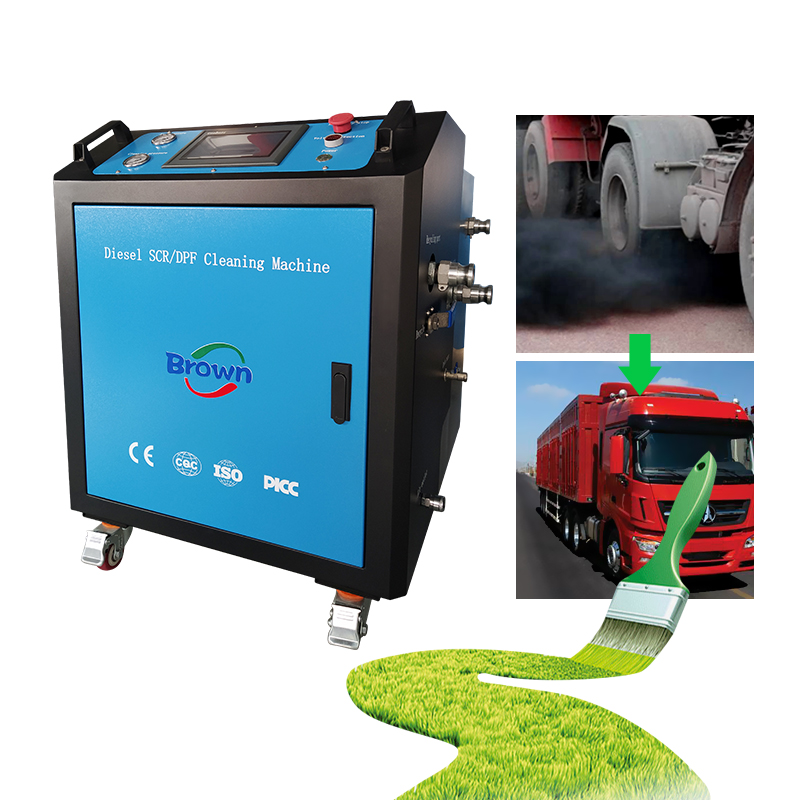
A DPF cleaning machine is specialized equipment used to clean diesel particulate filters by removing accumulated ash, soot, and other debris that hinder performance and emissions efficiency.
Why should auto repair chains adopt wholesale DPF cleaning machines?
Wholesale DPF cleaning machines help repair chains reduce costs, increase operational efficiency, and enhance customer satisfaction by performing in-house cleaning instead of outsourcing.
What are the financial benefits of investing in DPF cleaning machines?
These machines offer excellent ROI, transform costs into revenue streams, and enable additional services bundling that increases ticket values and improves profit margins.
How does operator error affect DPF cleaning?
Operator errors like incorrect air pressure or skipped inspections can lead to incomplete cleaning, premature filter failures, and wasted resources. Proper training and maintenance mitigate these issues.
How do repair chains ensure service quality across locations?
Standardized training programs, access to OEM consumables, ongoing calibration checks, and responsive technical support ensure consistent, high-quality service across all locations.