 EN
EN

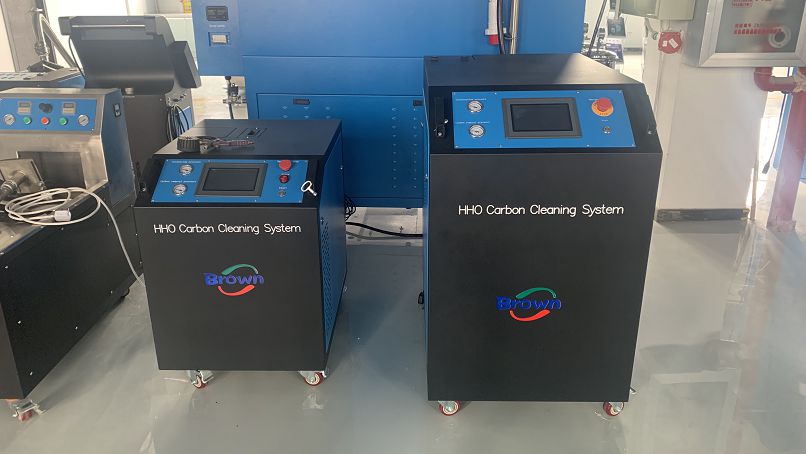
How HHO Carbon Cleaning Machines Work: Technology, Safety, and Verified Decarbonization Efficacy
Electrolytic HHO Generation and Its Role in Non-Invasive Engine Carbon Removal
HHO (oxyhydrogen gas) is generated on-demand via electrolysis of distilled water inside the machine. Using low-voltage DC current, the generator splits H₂O molecules into a stoichiometric 2:1 mixture of hydrogen and oxygen—producing a highly combustible, non-toxic gas that’s fed directly into the engine’s air intake while idling. Inside the combustion chamber, the hydrogen burns at over 3,000°F, triggering a controlled thermal reaction that fractures carbon deposits on pistons, valves, injectors, and EGR/DPF components. Because the process leverages existing airflow paths—not mechanical tools or solvents—it preserves factory tolerances, eliminates disassembly risk, and avoids chemical residue. The loosened carbon exits as gaseous CO₂, CO, and fine particulates through the exhaust, enabling full decarbonization in just 30–45 minutes.
Critical Safety Standards and CE/ISO Compliance for Wholesale-Grade HHO Generators
Professional-grade HHO generators integrate layered safety systems to prevent hydrogen accumulation, flashback, or electrical fault hazards. These include real-time pressure monitoring, automatic shut-off valves triggered by abnormal backpressure or voltage spikes, flame arrestors on gas lines, and overcurrent protection circuits—all calibrated to engine displacement and ambient conditions. CE marking confirms compliance with EU Machinery and Electromagnetic Compatibility Directives; ISO 9001 certification validates consistent manufacturing quality and process control. For B2B buyers, these certifications are essential—not optional—ensuring legal compliance, reduced liability exposure, and repeatable performance across service cycles. Units lacking third-party verification pose unacceptable risks to technician safety, equipment integrity, and workshop reputation.
Evidence-Based Performance: Independent Workshop Validation vs. Overstated Marketing Claims
Independent data from certified workshops—not vendor-supplied testimonials—confirms measurable, repeatable outcomes from properly executed HHO decarbonization. In controlled trials on light-duty diesel engines, a single 40-minute treatment delivered an average 15% recovery in brake horsepower, validated by dynamometer testing and corroborated by post-treatment compression tests and emission analyzer readings. Technicians consistently observed lower idle vibration, smoother throttle response, and fewer forced DPF regenerations within the first 300 km. Crucially, gains accrue gradually as residual carbon continues to oxidize—not instantaneously—making claims of “100% restoration” or “miracle fixes” scientifically unfounded. Credible providers support their offerings with documented case studies, pre/post diagnostic logs, and transparent methodology—not vague promises.
Wholesale Distribution of HHO Carbon Cleaning Machines to B2B Automotive Service Channels
Tiered Supply Models: Direct OEM Partnerships, Distributor Networks, and Private-Label Opportunities
Manufacturers offer three distinct wholesale pathways tailored to scale, control, and brand strategy. Direct OEM partnerships grant maximum margin control and co-development influence but require dedicated technical support infrastructure and minimum annual volume commitments. Regional distributor networks accelerate market penetration using established logistics, warehousing, and local service channels—ideal for rapid multi-territory rollout. Private-label programs empower automotive suppliers and tool distributors to embed HHO technology under their own branding, supported by turnkey manufacturing, packaging, and regulatory documentation. MOQs begin at 5 units for entry-level distributor agreements and scale to 50+ units for private-label production with custom firmware, labeling, and compliance certification.
Profitability Analysis: Margin Structures, MOQs, and After-Sales Revenue Streams (Training, Consumables, Support)
Wholesale gross margins reflect channel-specific responsibilities and investment levels:
| Tier | Average Margin | Key Profit Drivers |
|---|---|---|
| Direct OEM | 40–50% | Volume-based pricing, shared R&D |
| Distributor Network | 25–35% | Territory exclusivity, bundled logistics |
| Private-Label | 30–40% | Brand equity premium, integrated marketing |
After-sales services generate predictable, high-margin revenue that typically surpasses hardware margins within 18 months. Electrodes, catalysts, and distilled water consumables contribute 15–25% of recurring income. Certified technician training—delivered in-person or via remote proctoring—commands $500–$1,200 per session and strengthens service consistency. Optional remote diagnostics support contracts add 8–12% annual revenue retention, transforming one-time equipment sales into long-term workshop partnerships.
Workshop Integration and Operational Readiness for HHO Carbon Cleaning Machines
Plug-and-Play Installation, Workflow Alignment with Diagnostic Tools, and Technician Certification Pathways
Modern HHO carbon cleaning machines are engineered for immediate integration into high-volume service environments. Their plug-and-play design requires no engine modification: technicians connect the unit to the battery and air intake in under five minutes, with no gas line routing or ECU reprogramming. Seamless OBD-II integration allows live monitoring of engine parameters—including RPM, MAF, lambda, and calculated carbon load—alongside treatment progress, enabling data-driven verification without separate scan tools. This alignment reduces average service time to ≤45 minutes per vehicle. To ensure consistent, safe execution, manufacturers provide tiered technician certification covering gas flow calibration, failure mode recognition, pre- and post-treatment diagnostics, and emissions validation protocols. Certification not only minimizes warranty incidents but also positions the workshop as a trusted authority—turning HHO decarbonization into a scalable, billable service backed by verifiable results.
FAQ Section
What is HHO and how is it used for engine decarbonization?
HHO (oxyhydrogen gas) is generated via electrolysis, and when fed into an engine, it burns at high temperatures to fracture and eliminate carbon deposits without disassembling the engine.
Is HHO carbon cleaning safe for all engines?
Yes, professional-grade machines are designed with layered safety features like overcurrent protection circuits and flame arrestors to ensure compatibility and safety across engine types.
How long does the decarbonization process take?
The process typically takes 30–45 minutes for full carbon removal.
What are the evidence-based benefits of HHO treatments?
Benefits include up to a 15% recovery in brake horsepower, smoother throttle response, fewer forced DPF regenerations, and reduced idle vibration as validated by certified workshops.
How do manufacturers distribute HHO machines to B2B channels?
Distribution models include OEM partnerships, regional distributors, and private-label agreements, each offering distinct advantages tailored to business strategy.