 EN
EN

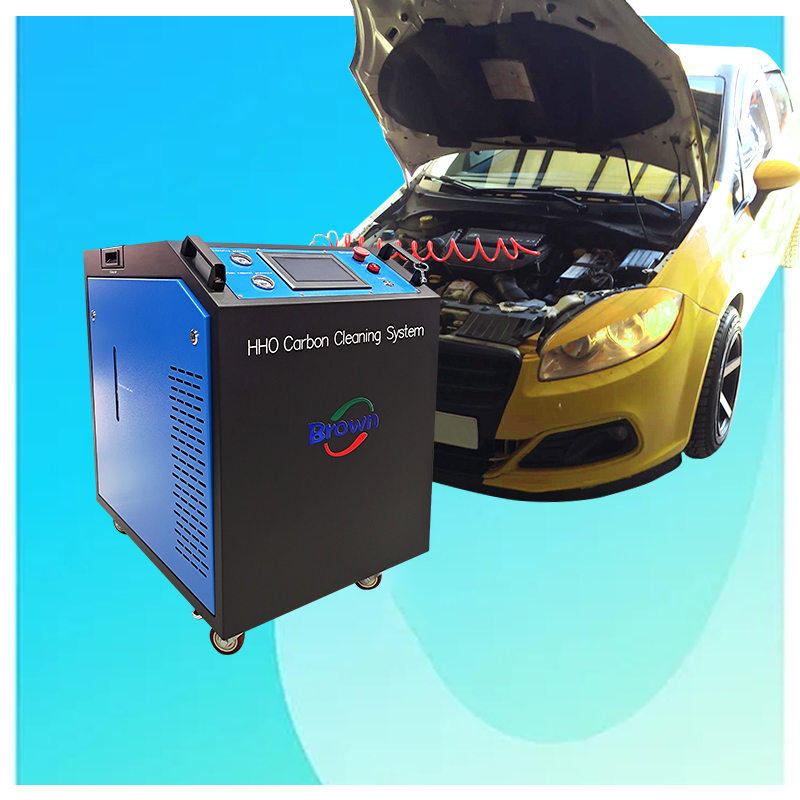
How Hydrogen Carbon Cleaning Machines Decarbonize Engines Safely and Effectively
Electrolysis‑Based HHO Generation and Non‑Thermal Carbon Breakdown Mechanism
A hydrogen carbon cleaning machine feeds a precisely metered stream of oxyhydrogen (HHO) gas—produced via electrolysis of distilled water—into an engine’s air intake. This process splits H₂O into hydrogen and oxygen without chemical additives. Inside the combustion chamber, hydrogen acts as a catalytic agent: it accelerates flame speed and elevates localized temperature just enough to trigger a non-thermal reaction with carbon deposits. At normal idle, this breaks carbon bonds on pistons, valves, and injector tips—converting soot into gaseous CO₂ and water vapor. Critically, the reaction targets only carbon layers, leaving base metals, coatings, and engine seals fully intact. Because no mechanical scraping or caustic solvents are involved, factory tolerances and compression integrity remain preserved. A full treatment on a light-duty diesel typically takes 90–120 minutes, with the vehicle’s ECU monitoring parameters in real time to prevent overheating. The result is a thorough, non-invasive decarbonization that restores peak combustion efficiency—without removing a single bolt.
Real‑Time Emission Reduction Metrics: Validated HC/CO Drop Post‑Treatment
Workshops can verify treatment efficacy immediately using a 5-gas analyzer. Service data consistently shows hydrocarbon (HC) emissions dropping by 50–80% and carbon monoxide (CO) by 40–65%, depending on initial carbon load. In a 2023 fleet trial across 50 commercial vans, average HC levels fell from 120 ppm to 25 ppm at idle, while CO dropped from 0.45% to 0.15%. These gains stem directly from restored air-fuel mixing and complete combustion in cleaned chambers. Diesel particulate filters (DPFs) also show measurable pressure reduction, confirming lower soot loading. Emission improvements stabilize within the first 10 minutes of post-cleaning driving—indicating permanent carbon removal, not transient flushing. Real-time metrics thus serve as an objective, data-backed QA checkpoint, allowing shops to transparently demonstrate value to customers.
Commercial ROI of Hydrogen Carbon Cleaning Machines for Repair Shops
Fuel Efficiency Gains (5–12%) and Extended Engine Lifespan: Workshop-Level Data
Hydrogen carbon cleaning delivers quantifiable operational benefits for both fleets and retail clients—translating directly into shop-level ROI. A logistics operator managing 150 vehicles reported an 11% fuel consumption reduction after adopting routine HHO cleaning, alongside doubling maintenance intervals to 40,000 km. DPF regeneration failures dropped by 63%, saving 84 labor hours monthly versus traditional decarbonization methods. On engine longevity, scheduled cleaning every 50,000 miles sustains volumetric efficiency and delays costly interventions—including valve jobs and turbocharger replacements. Workshop records confirm significantly extended service life for treated engines, protecting against premature wear while restoring combustion performance immediately. By pairing these outcomes with before-and-after diagnostics, shops reinforce customer trust and drive repeat business. Early adopters saw a 34% increase in service revenue—powered by high-margin, low-labor service delivery.
Same-Day Service Model: Zero Dismantling, No Downtime, Higher Vehicle Turnover
The non-invasive nature of HHO cleaning enables true same-day service—transforming bay utilization and workflow efficiency. With no engine disassembly required, a full cycle completes in under two hours, eliminating vehicle downtime and freeing critical bay space. Compared to chemical soak or media-blasting methods—which often require overnight turnaround—this slashes labor costs and increases throughput. One fleet study confirmed 84 fewer labor hours per month after switching to HHO cleaning, enabling technicians to handle more jobs daily. For retail customers, “drop-off in the morning, pick-up by noon” becomes a compelling differentiator—boosting satisfaction and retention. Shops leveraging this speed and convenience report higher vehicle turnover per bay, turning the machine into a consistent, scalable revenue generator. That operational leverage underpins the 34% service income growth seen among early adopters—achievable without adding staff or expanding physical capacity.
Safety, Compliance, and Operator Readiness for B2B Deployment
Risk Mitigation: Oil Contamination, Coating Degradation, and ASE-Audited Best Practices
Safe deployment hinges on mitigating two primary risks: oil contamination and cylinder coating degradation. Moisture carryover or incomplete hydrogen combustion can dilute engine oil—studies show even 2% fuel dilution reduces viscosity by up to 10% (SAE International, 2021), accelerating wear. Uncontrolled thermal cycling may also compromise plasma-sprayed cylinder coatings. ASE-audited best practices mandate drying HHO gas to a dew point below –40°C using machines equipped with automatic moisture separators, plus mandatory post-service oil analysis. Technicians must screen for pre-existing issues—such as coolant leaks or damaged piston rings—before treatment. Adhering to these protocols consistently reduces post-treatment failure rates to under 0.3% in high-volume workshops.
Mandatory Certification, Ventilation Protocols, and Hydrogen Handling Standards
B2B deployment requires formal operator certification and facility compliance. All staff must complete manufacturer-recognized training covering gas generation parameters, safety interlocks, and emergency shutdown procedures. Facilities must meet NFPA 2 standards for hydrogen ventilation—maintaining at least 10 air changes per hour during operation to keep hydrogen concentrations well below the 4% lower explosive limit. Installations require certified flashback arrestors, non-sparking ventilation fans, and hydrogen-specific leak detectors (set to alarm at 1% H₂). Operators must use intrinsically safe tools and follow a documented pre-operational checklist. Annual recertification and third-party audits aligned with OSHA 1910.103 ensure ongoing safety readiness across all service bays.
Wholesale Selection Guide: Choosing the Right Hydrogen Carbon Cleaning Machine
When selecting a wholesale hydrogen carbon cleaning machine, match specifications to your shop’s throughput and technical capacity. High-volume shops benefit from industrial-grade units delivering 600–900 ml/min of hydrogen with duty cycles exceeding six hours daily—ensuring sustained carbon removal depth without performance drift. Verify the electrolysis cell is rated for ≥3,000 operating hours and that the system carries CE, ISO, or equivalent safety certifications; automatic pressure relief and integrated flame arrestors are non-negotiable for insurable, compliant deployment.
Operational ergonomics matter equally: prioritize intuitive touchscreen interfaces, multi-language support, and modular components for rapid field servicing. Leading portable models weigh under 25 kg and feature swivel casters—reducing setup time in tight bays. Integrated post-cycle diagnostics—displaying validated CO and HC reductions—help shops demonstrate value to fleet clients; field studies from 2022 confirm average fuel savings of 8% when paired with proper protocol adherence. Finally, confirm the supplier provides on-site technician training, readily available replacement membranes, and a minimum two-year warranty—safeguarding your capital investment. When matched to actual workflow demands and backed by verifiable safety data, the right machine delivers reliable, high-margin returns—typically paying back within 12 months.
FAQ
What is an hydrogen carbon cleaning machine and how does it work?
Hydrogen carbon cleaning machines use oxyhydrogen (HHO) gas, generated through electrolysis, to clean carbon deposits in an engine's combustion chamber. This process breaks down carbon deposits without damaging the base metals or seals.
How effective is hydrogen carbon cleaning for reducing emissions?
Hydrogen carbon cleaning significantly reduces hydrocarbon (HC) emissions by 50–80% and carbon monoxide (CO) emissions by 40–65%. These changes are measurable using a 5-gas analyzer immediately after treatment.
What are the benefits of using hydrogen carbon cleaning for repair shops?
Repair shops experience increased ROI through fuel efficiency gains, reduced maintenance costs, higher engine lifespan, and same-day service capabilities that ensure higher turnover rates without extra labor costs.
Are there risks associated with hydrogen carbon cleaning?
Risks include potential oil contamination and cylinder coating degradation, which can be mitigated by following ASE-audited protocols and ensuring proper gas drying and maintenance checks.
What safety measures are required for deploying these machines?
Operators must be certified, facilities need proper ventilation protocols, and machines must include safety features like flashback arrestors and leak detectors. Compliance with OSHA and NFPA standards is also mandatory.
Table of Contents
- How Hydrogen Carbon Cleaning Machines Decarbonize Engines Safely and Effectively
- Commercial ROI of Hydrogen Carbon Cleaning Machines for Repair Shops
- Safety, Compliance, and Operator Readiness for B2B Deployment
- Wholesale Selection Guide: Choosing the Right Hydrogen Carbon Cleaning Machine
-
FAQ
- What is an hydrogen carbon cleaning machine and how does it work?
- How effective is hydrogen carbon cleaning for reducing emissions?
- What are the benefits of using hydrogen carbon cleaning for repair shops?
- Are there risks associated with hydrogen carbon cleaning?
- What safety measures are required for deploying these machines?