 EN
EN

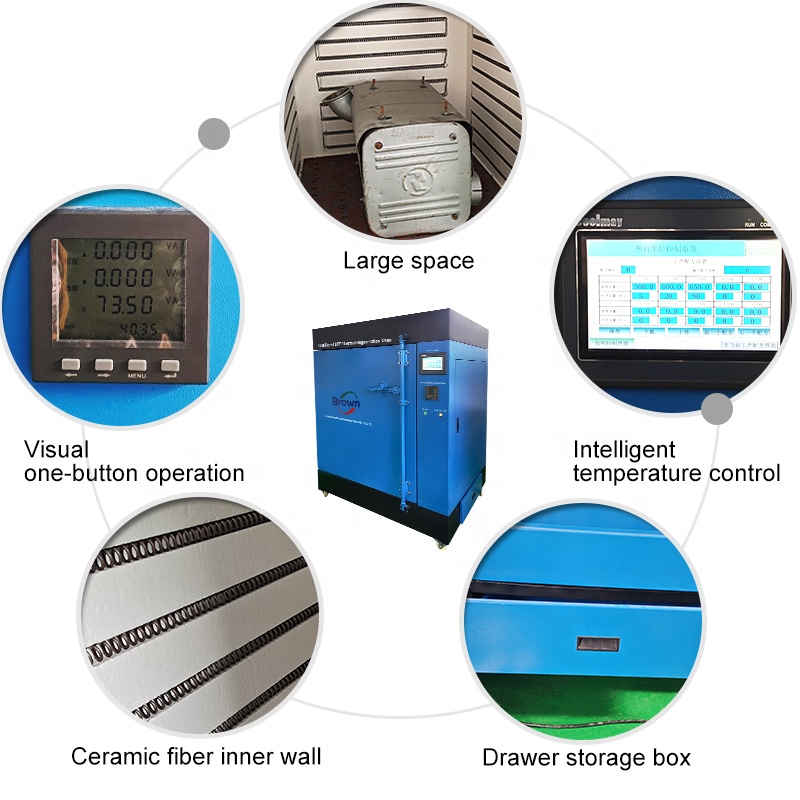
Reducing Pressure Drop in SCR Catalyst Systems
How fouling increases differential pressure across monoliths
SCR catalyst monoliths operate with thousands of parallel channels that rely on unobstructed flow to maintain design pressure differentials. Fouling—primarily from fly ash impaction, ammonium bisulfate (ABS) condensation, and sulfate salt formation—progressively occludes channel entrances and internal surfaces. A 10 % reduction in open frontal area forces flue gas velocity to rise by 20–30 %, directly amplifying ΔP through the reactor (Emission Control Review 2023). Particulate bridging near the monolith face funnels flow into remaining passages, accelerating erosion and secondary deposition. ABS—a sticky by-product of ammonia and SO₃—binds ash into hard-to-remove agglomerates, further shrinking effective cross-sectional area. Left unchecked, rising pressure drop increases induced-draft fan power demand by 2–5 % of a plant’s auxiliary load. Differential pressure transmitters routinely detect a 15 % ΔP increase after just three weeks of loose ash accumulation—highlighting the need for proactive cleaning before deposits harden.
Case study: 12–18% ΔP reduction in coal‑fired power plant after catalyst cleaning machine use
A 660 MW supercritical coal-fired unit in Southeast Asia saw SCR reactor ΔP climb from 480 Pa to nearly 720 Pa over two years, prompting load curtailment during peak demand. Boiler outage inspections confirmed ~40 % channel plugging from upstream economizer ash and ABS. In 2023, the station deployed a mobile catalyst cleaning machine using dry-media sodium bicarbonate blasting—cleaning each module in situ without water or chemical solvents. Post-cleaning surveys showed a consistent 12–18 % ΔP reduction, stabilizing at 520–560 Pa under full load. Induced-draft fan amperage dropped proportionally, recovering an estimated 1,800 MWh annually. Ammonia slip stabilized below 2 ppm, and follow-up testing revealed no measurable decline in catalyst activity (K/K₀), confirming that targeted mechanical cleaning restores flow capacity and preserves active substrate integrity for extended service life.
Restoring NOx Conversion Efficiency and Minimizing Ammonia Slip
The performance of an SCR system hinges on unobstructed contact between NOx, ammonia, and catalytic sites. Deposits mask active surfaces, degrading conversion efficiency and increasing ammonia slip. A catalyst cleaning machine reverses this degradation by removing fouling layers—restoring both performance and compliance margins.
Ash and sulfate layer blockage of active catalytic sites
Ash and sulfate compounds carried in flue gas form dense, adherent layers on the catalyst monolith, physically blocking micropores where vanadium-titanium active sites reside. This prevents NOx and ammonia from accessing reaction surfaces, sharply reducing conversion efficiency. Operators often compensate by increasing ammonia injection—raising slip risk and reagent waste. Typical permits cap ammonia slip at 5–10 ppmv; exceedances trigger compliance actions and operational penalties. Fouling also creates a diffusion barrier, slowing reaction kinetics even with excess ammonia. In severe cases, sulfate condensation can cause partial, irreversible chemical deactivation. A catalyst cleaning machine breaks this cycle by mechanically dislodging ash and sulfate deposits—restoring surface area and pore access while preserving honeycomb structural integrity.
Field-validated 9–14% average NOx conversion improvement post-catalyst cleaning machine operation
Field data from multiple power generation and industrial facilities confirms that catalyst cleaning machines reliably restore NOx conversion efficiency. At one coal-fired plant, cleaning removed >90% of ash and sulfate buildup, yielding a 12% conversion gain within the first week of restart. Across a broader dataset—including units with varying fouling severity and catalyst age—the average improvement ranged from 9% to 14%. These gains reduce ammonia slip by enabling equivalent NOx reduction at lower injection rates—stabilizing operation, cutting reagent use, and extending catalyst life. Critically, this recovery is achieved without chemical solvents or thermal stress, making it a proven, field-validated method to uphold compliance amid tightening emission standards.
Preventing Unplanned Downtime and Mechanical Failures
Fly ash and unburnt carbon accumulation as root causes of forced outages
Fly ash and unburnt carbon accumulate on SCR catalyst surfaces, forming abrasive, obstructive layers that narrow flow channels and sharply elevate differential pressure. Sustained high ΔP strains induced-draft fans—increasing energy consumption and accelerating wear on motors, bearings, and drive systems. Over time, abrasive deposits erode catalyst substrates, initiating micro-cracks that propagate under thermal cycling and eventually lead to structural failure. When pressure drop exceeds safety thresholds, interlocks force unplanned shutdowns—costly forced outages that halt production and incur steep restart expenses. A catalyst cleaning machine eliminates these deposits mechanically, restoring design-pressure drop and removing the root mechanical stressor. Integrated into preventive maintenance, it mitigates accumulation before critical thresholds are reached—averting trips, preserving equipment reliability, and extending catalyst service life.
Enabling Safe, Chemical-Free Residue Removal in Industrial Maintenance
Mechanical removal of grease, oil, and particulate residues using the catalyst cleaning machine
The catalyst cleaning machine employs a purely mechanical process—using high-velocity impingement or precision scrubbing—to remove grease, oil, and fine particulate residues from industrial surfaces without chemical solvents. This physical approach preserves substrate integrity while eliminating exposure risks for maintenance personnel and avoiding the regulatory burden and disposal costs associated with hazardous cleaning agents. By relying solely on kinetic energy for contaminant removal, facilities achieve thorough, repeatable cleanliness while meeting stringent occupational safety, environmental stewardship, and sustainability requirements—an essential capability where chemical-free maintenance is mandated or operationally preferred.
FAQ
What causes differential pressure to increase in SCR catalyst systems?
Differential pressure increases due to fouling caused by fly ash, ammonium bisulfate, and sulfate salt formation, which obstruct channel entrances and surfaces in catalyst monoliths.
How does catalyst cleaning affect NOx conversion efficiency?
Catalyst cleaning removes ash and sulfate deposits that block catalytic sites, restoring surface access and improving NOx conversion efficiency by 9–14% on average.
What are the benefits of using a catalyst cleaning machine?
A catalyst cleaning machine reduces differential pressure, restores flow, preserves substrate integrity, boosts NOx conversion, minimizes ammonia slip, and prevents unplanned downtime, all without using chemical solvents.
Does catalyst cleaning affect compliance with ammonia slip standards?
Yes, by restoring conversion efficiency, catalyst cleaning reduces ammonia injection needs, helping maintain slip levels below regulatory thresholds.
Is mechanical cleaning safe for industrial maintenance?
Yes, mechanical cleaning avoids chemical solvents and uses kinetic energy for residue removal, preserving substrate integrity and ensuring operational safety.
Table of Contents
- Reducing Pressure Drop in SCR Catalyst Systems
- Restoring NOx Conversion Efficiency and Minimizing Ammonia Slip
- Preventing Unplanned Downtime and Mechanical Failures
- Enabling Safe, Chemical-Free Residue Removal in Industrial Maintenance
-
FAQ
- What causes differential pressure to increase in SCR catalyst systems?
- How does catalyst cleaning affect NOx conversion efficiency?
- What are the benefits of using a catalyst cleaning machine?
- Does catalyst cleaning affect compliance with ammonia slip standards?
- Is mechanical cleaning safe for industrial maintenance?