 EN
EN

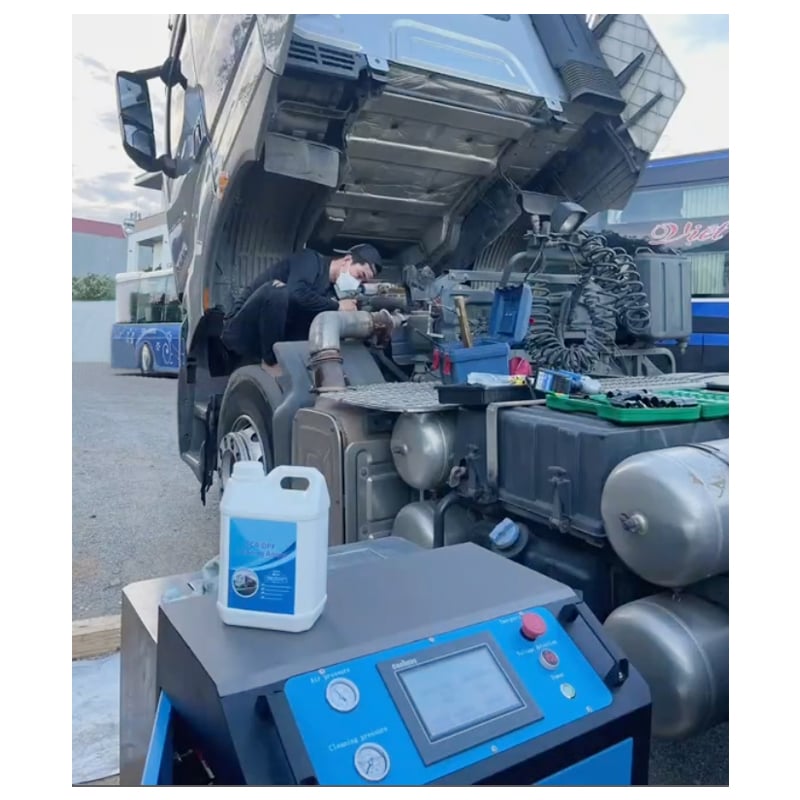
Common Causes of SCR System Problems
Selective Catalytic Reduction (SCR) systems play an important role in reducing nitrogen oxide (NOx) emissions from diesel engines. However, continuous operation under demanding conditions can cause deposits and contamination to build up inside the emission system.
One common issue is Diesel Exhaust Fluid (DEF) crystallization. DEF contains urea and deionized water, and under certain conditions such as high temperatures, evaporation, or improper operating conditions, urea deposits may form inside the dosing system.
Over time, these deposits can restrict DEF flow, affect injector performance, and reduce the efficiency of the SCR process. If contamination is not addressed, the vehicle may experience warning signals, reduced performance, or increased maintenance requirements.
Regular SCR system cleaning helps control deposit buildup and supports reliable emission system operation.
DEF Crystallization and Its Impact on SCR Performance
DEF crystallization is one of the major challenges affecting SCR systems. When urea deposits accumulate around injectors, dosing lines, or catalyst surfaces, they may interfere with proper DEF delivery.
Possible effects include:
- Reduced DEF spray quality
- Incorrect dosing performance
- Lower NOx conversion efficiency
- Increased risk of SCR-related fault codes
Early cleaning and inspection can help prevent small deposits from developing into more serious system problems.
A professional SCR cleaning machine provides controlled cleaning processes designed to remove accumulated deposits and improve the condition of SCR-related components.
Injector Contamination and Sensor-Related Issues
The DEF injector is responsible for delivering the correct amount of reductant into the exhaust system. Contamination or crystal buildup around the injector can affect spray distribution and reduce system efficiency.
SCR systems also depend on sensors such as NOx sensors and temperature sensors to monitor operating conditions. Contamination, aging, wiring problems, or environmental factors may affect sensor accuracy and trigger warning signals.
Before replacing expensive components, technicians should evaluate whether contamination is contributing to the problem. Proper cleaning and inspection can help identify the actual cause and avoid unnecessary repairs.
Warning Signs of SCR System Degradation
SCR problems often develop gradually before causing major failures. Common warning signs include:
- DEF warning lights
- Check engine alerts
- SCR efficiency fault codes
- Reduced engine power
- Increased fuel consumption
- Frequent regeneration or emission system warnings
Fault codes such as P20EE or P207F may indicate SCR efficiency or reductant system issues, although proper diagnosis is required before repair decisions are made.
Addressing these symptoms early helps prevent more extensive damage and reduces unexpected vehicle downtime.
How an SCR Cleaning Machine Improves Maintenance Efficiency
An SCR cleaning machine provides a professional solution for removing deposits from emission system components.
Compared with simple manual cleaning methods, dedicated SCR cleaning equipment can help:
- Remove DEF crystallization deposits
- Improve injector cleanliness
- Reduce contamination-related performance issues
- Support more accurate SCR system diagnosis
- Extend the service life of emission components
By restoring cleaner operating conditions, SCR cleaning can reduce the need for premature component replacement and improve maintenance efficiency.
Building SCR Cleaning into Preventive Maintenance Programs
The ideal SCR cleaning schedule depends on several factors, including:
- Vehicle operating conditions
- Driving cycles
- Idle time
- DEF quality
- Environmental conditions
- Manufacturer recommendations
Vehicles used in heavy-duty, short-distance, or frequent stop-and-go applications may require more attention because these conditions can increase deposit formation.
Including SCR cleaning as part of a preventive maintenance program allows fleets and repair facilities to manage emission system performance more effectively.
Choosing the Right SCR Cleaning Equipment
Selecting suitable SCR cleaning equipment is important for achieving consistent maintenance results.
Important considerations include:
- Cleaning performance
- Compatibility with different SCR systems
- Ease of operation
- Equipment reliability
- Technical support availability
For fleet operators, repair workshops, and emission system service providers, professional SCR cleaning machines provide an efficient way to maintain diesel aftertreatment systems and reduce unnecessary downtime.
FAQ
What causes DEF crystallization in SCR systems?
DEF crystallization occurs when water evaporates from DEF, leaving behind urea deposits that may accumulate in SCR components.
How does SCR contamination affect engine performance?
Contamination can restrict DEF delivery, reduce NOx conversion efficiency, and contribute to emission system warnings or reduced engine performance.
Can an SCR cleaning machine remove DEF deposits?
SCR cleaning machines are designed to help remove deposits and improve the cleanliness of SCR-related components.
When should SCR cleaning be performed?
Cleaning frequency depends on vehicle usage, operating conditions, DEF quality, and maintenance recommendations.
Does SCR cleaning replace damaged components?
Cleaning may restore contaminated components, but severely damaged parts may still require repair or replacement.
Table of Contents
- Common Causes of SCR System Problems
- DEF Crystallization and Its Impact on SCR Performance
- Injector Contamination and Sensor-Related Issues
- Warning Signs of SCR System Degradation
- How an SCR Cleaning Machine Improves Maintenance Efficiency
- Building SCR Cleaning into Preventive Maintenance Programs
- Choosing the Right SCR Cleaning Equipment
- FAQ