 EN
EN

How SCR Contamination Develops and Affects System Performance
Selective Catalytic Reduction (SCR) systems play an important role in reducing nitrogen oxide (NOx) emissions from diesel engines. However, contamination inside the SCR system can gradually reduce performance and trigger warning signals, power limitations, or increased maintenance requirements.
One of the most common contamination sources is Diesel Exhaust Fluid (DEF) deposits. DEF contains 32.5% urea and deionized water. Under certain operating conditions, such as high temperatures, repeated short trips, or improper system shutdown, water evaporation can leave behind urea crystals.
These deposits may accumulate around the DEF injector, affecting spray quality and reducing dosing accuracy. When DEF cannot be delivered evenly into the exhaust stream, the SCR catalyst may not achieve the expected NOx conversion performance.
Regular inspection and cleaning can help prevent contamination from developing into more serious system problems.
Common SCR Contamination Problems Affecting Diesel Emission Systems
DEF Crystallization and Injector Performance Issues
DEF crystallization is a frequent challenge in SCR systems. When urea deposits build up around the injector area, they can restrict fluid flow and affect spray distribution.
Poor DEF atomization may lead to:
- Reduced NOx conversion efficiency
- Increased warning messages
- Incorrect dosing adjustments
- Higher risk of emission system faults
Using appropriate cleaning procedures helps remove deposits and restore proper DEF delivery performance.
NOx Sensor Contamination and Incorrect System Feedback
NOx sensors provide important information for the engine control system to adjust SCR operation. However, contamination from exhaust deposits, chemical residues, or operating conditions may affect sensor accuracy.
Incorrect sensor readings can cause unnecessary diagnostic warnings or make the control system incorrectly adjust DEF dosing.
Before replacing expensive components, technicians should evaluate whether contamination, wiring issues, or other system conditions are contributing to sensor-related problems.
How SCR Cleaning Machines Restore System Reliability
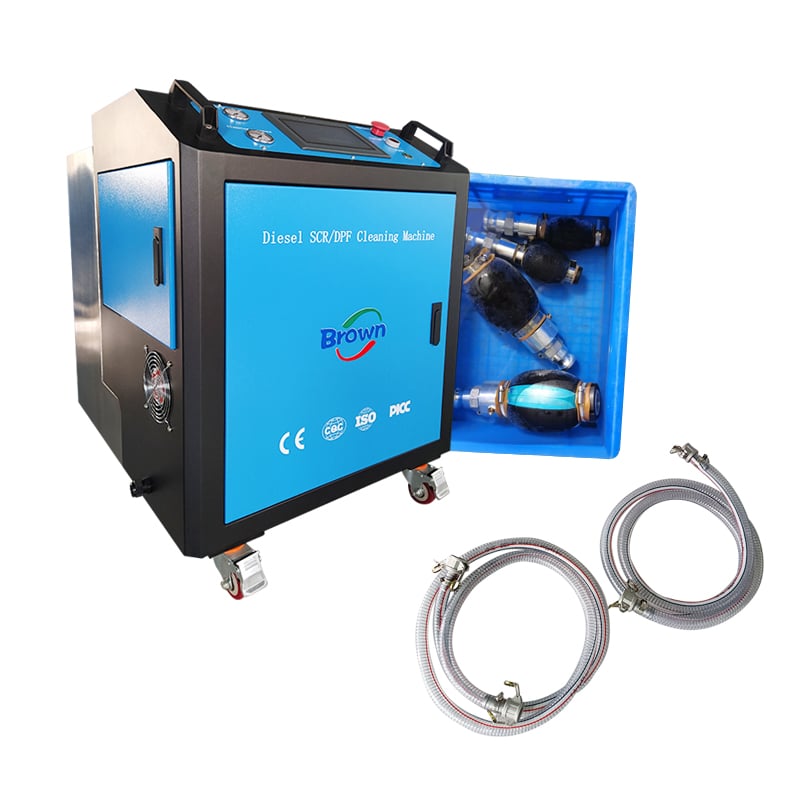
An SCR cleaning machine provides a professional method for removing deposits from emission system components without immediately replacing expensive parts.
Compared with basic cleaning methods, dedicated SCR cleaning equipment is designed to:
- Remove urea crystallization deposits
- Improve DEF injector cleanliness
- Reduce contamination inside SCR passages
- Support more accurate system diagnosis
- Help maintain stable emission performance
By restoring cleaner operating conditions, SCR cleaning can help extend the service life of components such as SCR catalysts and related exhaust system parts.
Why Preventive SCR Cleaning Is Important for Fleet Maintenance
For commercial vehicles, unexpected emission system failures can result in downtime, repair costs, and operational disruption.
A preventive maintenance strategy helps fleets identify contamination problems before they develop into major failures.
The ideal cleaning frequency depends on several factors, including:
- Vehicle operating conditions
- Driving cycles
- Idle time
- DEF quality
- Fuel quality
- Environmental temperature
Vehicles operating under frequent stop-and-go conditions or heavy-duty applications may require more frequent inspection compared with vehicles used for long-distance highway operation.
Integrating SCR cleaning into regular maintenance schedules allows fleet operators to manage emission system health more efficiently.
Choosing the Right SCR Cleaning Equipment
Selecting suitable SCR cleaning equipment is important for achieving reliable maintenance results.
Key factors include:
- Cleaning effectiveness for different deposit types
- Compatibility with various diesel emission systems
- Ease of operation
- Stable pressure and flow control
- Reliable after-sales support
Professional SCR cleaning machines help maintenance providers improve service efficiency while reducing unnecessary component replacement.
For workshops, fleet operators, and emission system service providers, investing in dedicated SCR cleaning solutions can provide a practical way to maintain diesel aftertreatment systems and improve long-term reliability.
FAQ
What causes SCR contamination?
SCR contamination is mainly caused by deposits from DEF crystallization, exhaust residues, fuel-related contaminants, and operating conditions that affect the emission system.
Why does DEF crystallization happen?
DEF crystallization occurs when water evaporates from DEF, leaving concentrated urea deposits that may accumulate around injectors or exhaust components.
Can SCR cleaning machines remove DEF deposits?
SCR cleaning machines are designed to help remove deposits and improve cleanliness of SCR system components, supporting better system performance.
When should an SCR system be cleaned?
Cleaning intervals depend on vehicle usage, operating environment, DEF quality, and maintenance history. Regular inspection helps determine the appropriate timing.
Does SCR cleaning replace damaged components?
SCR cleaning can help restore contaminated components, but severely damaged parts such as failed sensors or catalysts may still require repair or replacement.