 EN
EN

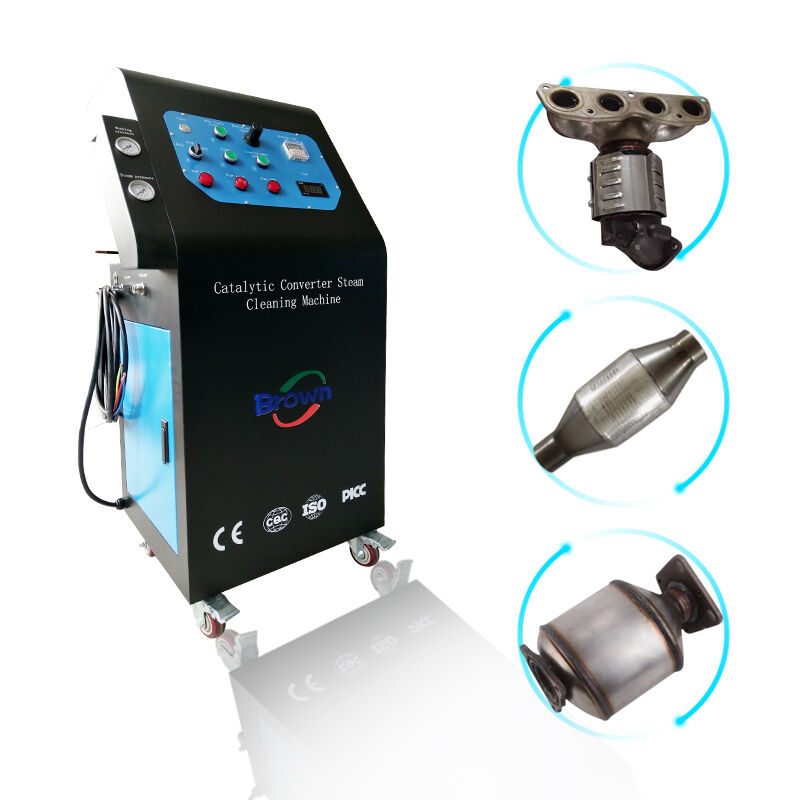
Hvordan katalysator-karbonsrengjøringsmaskiner fungerer: vitenskap, sikkerhet og begrensninger
Hydrogenbasert dekarbonisering: den sentrale mekanismen forklart
En katalysatorrensemaskin som bruker på forespørsel generert hydrogengass til å trygt oksidere karbonavleiringer uten abrasive kjemikalier eller termisk sjokk. Under drift kommer en nøyaktig målt blanding av hydrogen og omgivende luft inn i motorens inntak mens motoren går tomgang. I den varme avgassstrømmen reagerer hydrogenet med karbonavleiringene og danner karbondioksid og vanndamp – gassformede biprodukter som forlater bilen uskadelig gjennom avgassrøret. Denne oksidasjonen ved lav temperatur bevarer platina-, palladium- og rhodiumbelegget på keramisk underlag, i motsetning til aggressive kjemiske spylmetoder eller metoder med høy temperatur som kan føre til etsing eller smelting av katalysatoren. Renesykluser varer typisk 15–45 minutter og justeres etter alvorlighetsgraden av avleiringene, med overvåking av avgastemperaturen i sanntid for å unngå oppvarming over sikre temperaturgrenser (vanligvis under 650 °C). Avgjørende er at hydrogenrengjøring retter seg mot bare karbon og sot—det fjerner ikke oljeaske, silikonrester eller forurensninger fra kjølevæske. For optimale resultater kreves streng overholdelse av produsentens angitte strømningshastigheter og stabil motordreining (RPM); avvik kan føre til ufullstendig rengjøring eller uomgivelig katalysatorskade.
Kritiske systemkomponenter og hvorfor integrasjonssikring er viktig
Moderne katalysatorrensemaskiner for karbonavfelling bygger på tett integrerte sikkerhets- og kontrollsystemer – ikke bare selvstendig maskinvare. En PEM (protonutvekslingsmembran)-hydrogengenerator produserer høyrent H₂ på forespørsel, noe som eliminerer lagringsrisiko. En nøyaktig strømningsregulator holder den kritiske hydrogen-til-luft-forholdet, mens temperatursensorer for dobbel utløpsrør oppdager uvanlige forbrenningshendelser i sanntid. En automatisk avstengning aktiveres øyeblikkelig hvis temperaturen overskrider forhåndsinnstilte grenser – og forhindrer dermed sprøhet i substratet eller smelting av katalysatoren. Simuleringer av oksygensensorer kobles også til bilens ECU for å undertrykke redusert driftsmodus (limp mode), slik at rensingen fortsetter uten avbrudd og både motorstyring og utslippskontrolllogikk beskyttes. Disse sikkerhetsforholdsreglene er uunnværlige: dårlig integrerte enheter kan skape ubrente hydrogenvirkninger, utløse termiske spisser eller svikte i respons på trykkstøt – alt dette svekker integriteten til katalysatoren. B2B-verksteder drar størst nytte av maskiner som er validert mot OEM-kalibreringsstandarder og utstyrt med innebygde diagnostikkfunksjoner samt adaptive kontrollalgoritmer. Fabrikkkalibrerte interlocks er ikke komfortfunksjoner – de er grunnleggende for konsekvent, gjentakbar og skadefri drift på ulike bilplattformer.
Trinnvis trygg drift av katalysatorrensemaskin for karbonavfelling
Forrensingsdiagnostikk: Verifisering av klarhet og unngåelse av termisk sjokk
Før du kobler til en katalysatorrensemaskin, utfør fire viktige forrensingskontroller. For det første: skann etter aktive OBD-II-feilkoder – spesielt P0420 (katalysatoreffektivitet under terskelverdi) eller feilkoder relatert til tennsvikt (f.eks. P0300-serien), som indikerer underliggende motorproblemer som må løses først. For det andre: bekreft at motoren er på normal driftstemperatur; innføring av reaktive gasser i et kaldt utslippsystem skaper farlige termiske gradienter som kan føre til sprekkdannelse i den keramiske monolitten. For det tredje: inspiser hele utslippsbanen for lekkasjer – enhver brist reduserer renseeffekten og utgjør en tenningfare på grunn av hydrogenspredning. For det fjerde: koble fra den øvre oksygensensoren eller plasser den trygt bort fra direkte gassutsetning; hydrogen kan midlertidig redusere følsomheten til eller permanent skade zirkonielementet i sensoren. Disse korte diagnostikkprosessene reduserer betydelig risikoen for katalysatorsvikt, sensorskade eller usikre driftsforhold.
Kontrollert rengjøringsprotokoll: Strømningshastigheter, varighet og overvåking i sanntid
Når diagnostikken er vellykket, start rengjøringscyklusen ved å bruke produsentens angitte hydrogengjennomstrømningshastighet – vanligvis 2–5 L/min for de fleste bensinapplikasjoner. Å overstige dette området øker risikoen for katalysatorutvasking eller lokal overoppheting. Begrens varigheten til 20–30 minutter: lengre cykler gir redusert effekt og øker sannsynligheten for å overskride trygge termiske grenser. Under hele prosessen må utslipps temperaturen overvåkes kontinuerlig ved hjelp av en kalibrert pyrometer eller en infrarød termisk kamera. Vedvarende målinger over 650 °C indikerer en for rik blanding eller utilstrekkelig luftstrøm – reduser strømmingen umiddelbart eller paus cyklusen. Spor samtidig trykkfall: en gradvis nedgang bekrefter fjerning av karbonavleiring, mens en plutselig økning tyder på løsrevet forurensning som blokkerer substratet. Stol på maskinens innebygde sikkerhetsutløsere – automatiske avslutninger ved temperatur-, trykk- eller strømningsavvik er konstruerte sikkerhetsforanstaltninger, ikke reservealternativer. Etter fullført prosess la katalysatoren kjøles naturlig i minst 10 minutter før motoren starter på nytt, for å unngå termisk spenning på nylig eksponerte overflater.
Når man ikke bør bruke maskinen for katalysatorrensing fra karbonavleiring
En maskin for katalysatorrensing fra karbonavleiring er en målrettet løsning for akkumulering av karbon og sot – ikke en universell løsning på katalysatorfeil. Den kan ikke reversere fysisk ødeleggelse eller kjemisk forgiftning, og bruk av den i slike tilfeller spiller bort tid og kan skjule behovet for utskifting.
| Skadetype | Begrensning |
|---|---|
| Fysisk skade | Et smeltet, revnet eller knust keramisk substrat – ofte forårsaket av vedvarende tennfeil, drivstoffutslipp eller ekstrem overoppheting – er strukturelt skadet. Karbonrensing kan ikke gjenopprette mekanisk integritet. |
| Kjemisk forgiftning | Forurensende stoffer som bly (fra blyholdig bensin), silikon (fra feilaktig bruk av RTV-tetting), etylenglykol (fra kjølevæskelekkasjer) eller fosfor/zink (fra overdreven oljebrenning) binder seg permanent til katalysatoroverflaten og deaktiverer de edle metallene. Denne forgiftningen er uomgjørlig. |
Hvis diagnostisk bevis peker på ett av disse scenariene – for eksempel hvit/grå avleiring på underlaget (kjølevæske), knasende aske (olje) eller synlig smelting – gir maskinen ingen nytte. Utbytte er fortsatt den eneste effektive løsningen. Bekreft alltid grunnsaken før rengjøring; feildiagnose fører til falsk tillit og gjentatte feil.
Validering etter rengjøring og beste praksis for skadeforebygging
Verifisering av utslippsytelse og stabilitet til oksygenføler
Post-rensevalidering starter kun etter at motoren har nådd full driftstemperatur—å teste for tidlig innebär risiko for unøyaktige målinger og sensorbelastning. Bruk en profesjonell OBD-II-skanner for å vurdere sanntidsdata: sunne oppstrøms-oksygensensorer svinger jevnt mellom 0,1 V og 0,9 V i tomgang; flate, fastlåste eller trege respons indikerer restforurensning, sensoraldring eller hydrogenindusert nedbrytning. Sjekk både kortsiktige og langsiktige brennstofftilpasninger (fuel trims)—verdier innenfor ±5 % indikerer riktig lukket-løkke-drift. Sammenlikn utslipp av hydrokarboner (HC) og nitrogenoksid (NOx) fra avgassrøret med målinger fra før renseprosessen eller med EPA-sertifiserte grenseverdier. En betydelig reduksjon i HC-nivået sammen med stabile eller reduserte NOx-verdier bekrefter vellykket fjerning av karbonavleiring. Hvis ytelsesparametrene fortsatt er utilfredsstillende, erstatt oksygensensores før du prøver renseprosessen på nytt—gjentatt eksponering for hydrogen akselererer sensornedbrytning. Dokumenter alle parametre for flåtekonformitet, garantikrav og vedlikeholdslogg.
Tips for langvarig vedlikehold for å forlenge levetiden til katalysator
Bærekraftig levetid for katalysatoromformer avhenger av proaktiv vedlikehold—ikke bare periodisk rengjøring. Bruk kun originale reservedeler godkjent av produsenten (OEM) eller CARB-sertifiserte brennselsadditiver; unngå rengjøringsmidler med høyt fosforinnhold eller blyholdig bensin—even små mengder forgifter katalysatormetallene permanent. Insperer fuktfangeren og in-line-filteret på katalysatorrensingsmaskinen din før hver bruk; vanninntrengning fører til korrosjon av interne komponenter og innfører damprelatert termisk stress. Undersøk visuelt katalysatorhuset hvert 10 000 mil for dekker, fargeendringer (blåing eller hviting) eller deformering—tidlige tegn på overoppheting eller skade fra støt. Overvåk tilstanden til motoroljen og kjølevæsken månedlig: melkeaktig olje indikerer svikt i sylinderskiven; utslipp av blåaktig avgass eller overdreven oljeforbruk tyder på gasslekkasje (blow-by), som dekker substratet med aske. Til slutt bør du bestille profesjonell OBD-II-diagnostikk hvert sjette måned for å oppdage avvik i oksygen-sensorer, ineffektivitet i EGR-ventilen eller feil i brennstofftilpasningen før disse problemene fører til katalysatorsvikt. Med disiplinert vedlikehold overstiger moderne katalysatoromformere regelmessig 160 000 km pålitelig drift.
Ofte stilte spørsmål
Hva gjør en katalysator-karbonrensemaskin?
Den bruker hydrogengass til å oksidere og fjerne karbonavleiringer fra katalysatoren, noe som forbedrer dens ytelse uten å forårsake skade.
Er rengjøring basert på hydrogengass trygg for katalysatorer?
Ja, den er trygg når den brukes riktig med fabrikantens angitte strømningshastigheter og temperaturer for å unngå skade på substratet og de edle metallene.
Kan denne maskinen reparere en skadet katalysator?
Nei, den kan ikke reparere smeltede eller kjemisk forgiftede substrater. Fysisk skade eller kjemisk forurensning krever utskifting.
Hvor lang tid tar rengjøringsprosessen?
En typisk rengjøringscyklus varer 15–45 minutter, avhengig av alvorlighetsgraden til avleiringene og motortypen.
Påvirker hydrogengassrensjing andre motorkomponenter?
Hydrogengassrensjing retter seg spesifikt mot karbonavleiringer og fjerner ikke oljeaske, silikonrester eller forurensninger fra kjølevæske, og den skader ikke oksygenfølere hvis forsiktigsreglene følges.
Innholdsfortegnelse
- Hvordan katalysator-karbonsrengjøringsmaskiner fungerer: vitenskap, sikkerhet og begrensninger
- Trinnvis trygg drift av katalysatorrensemaskin for karbonavfelling
- Når man ikke bør bruke maskinen for katalysatorrensing fra karbonavleiring
- Validering etter rengjøring og beste praksis for skadeforebygging
- Ofte stilte spørsmål