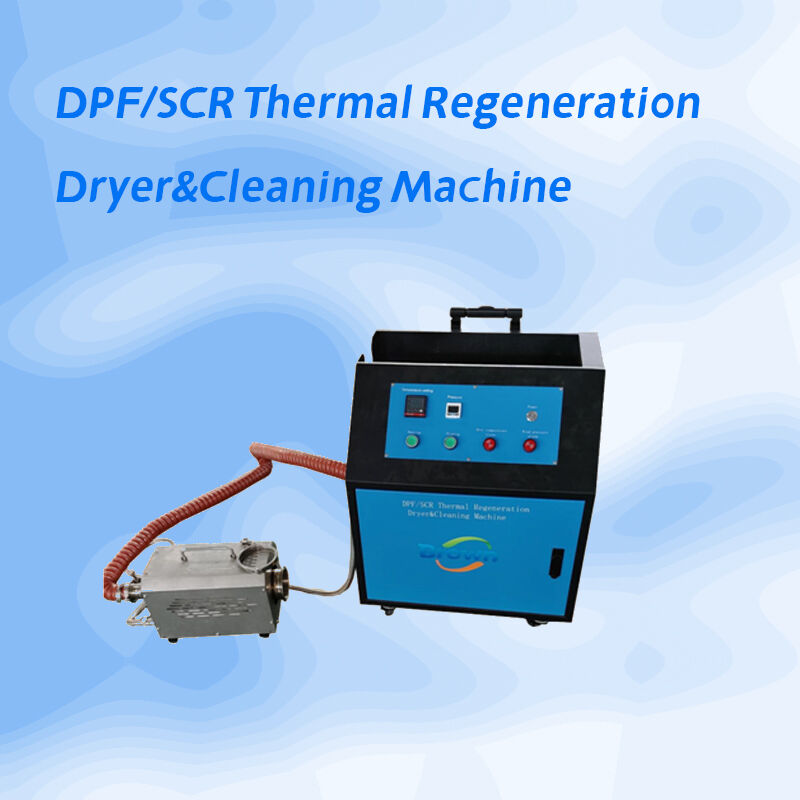
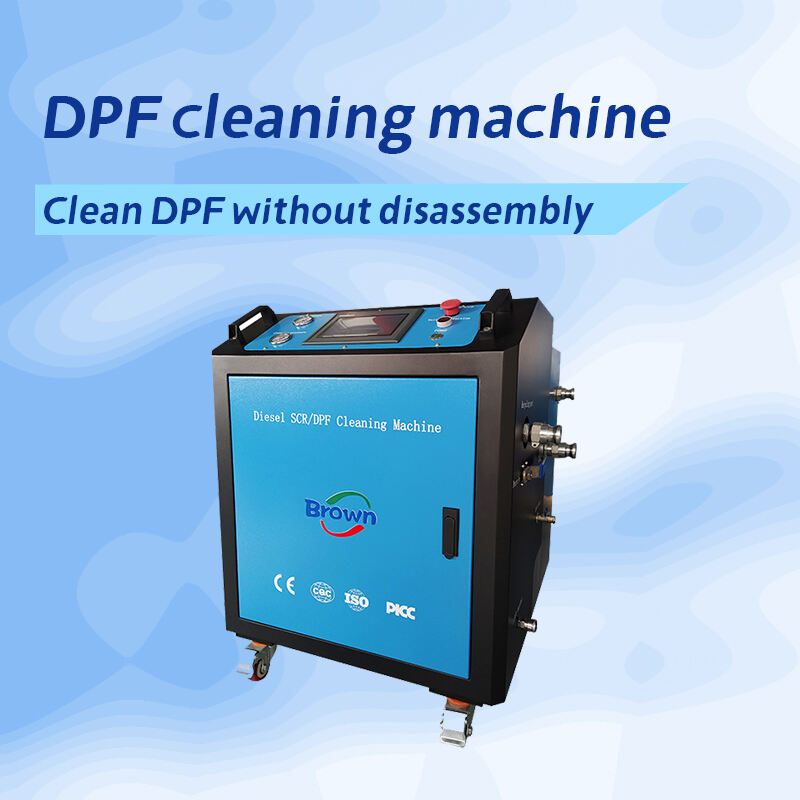
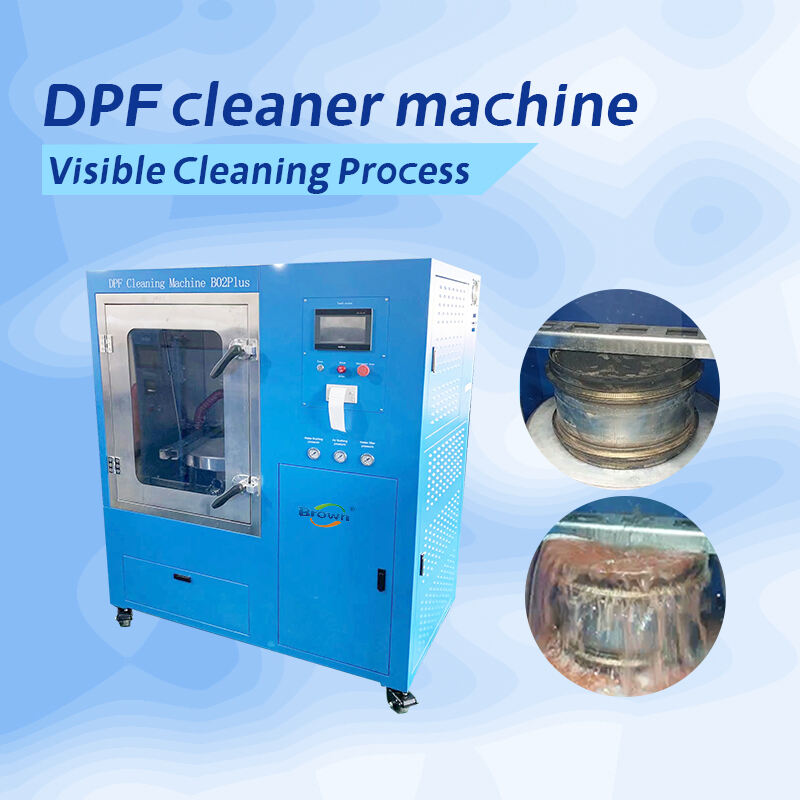
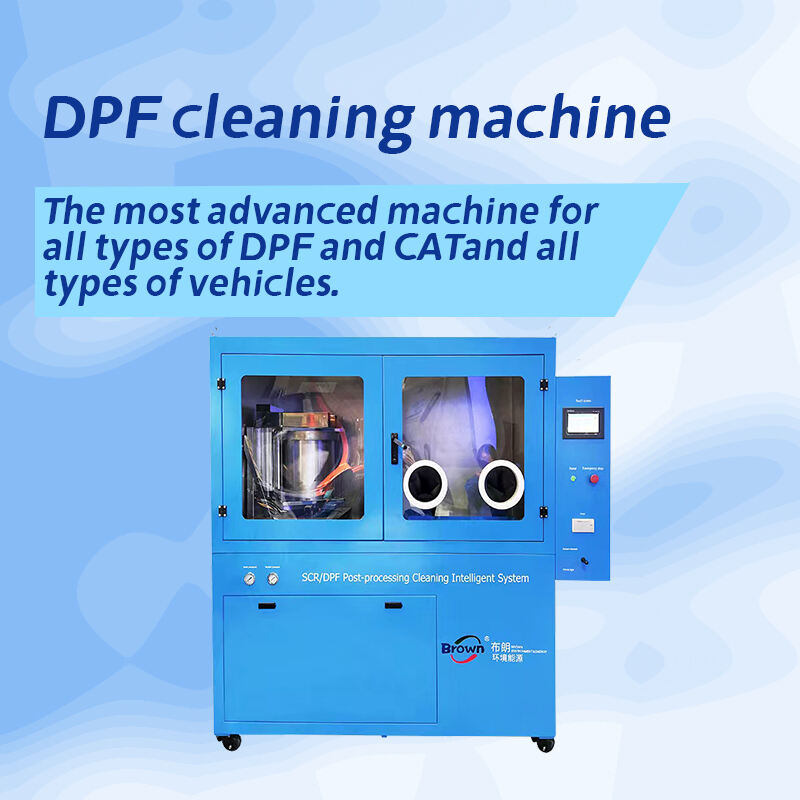
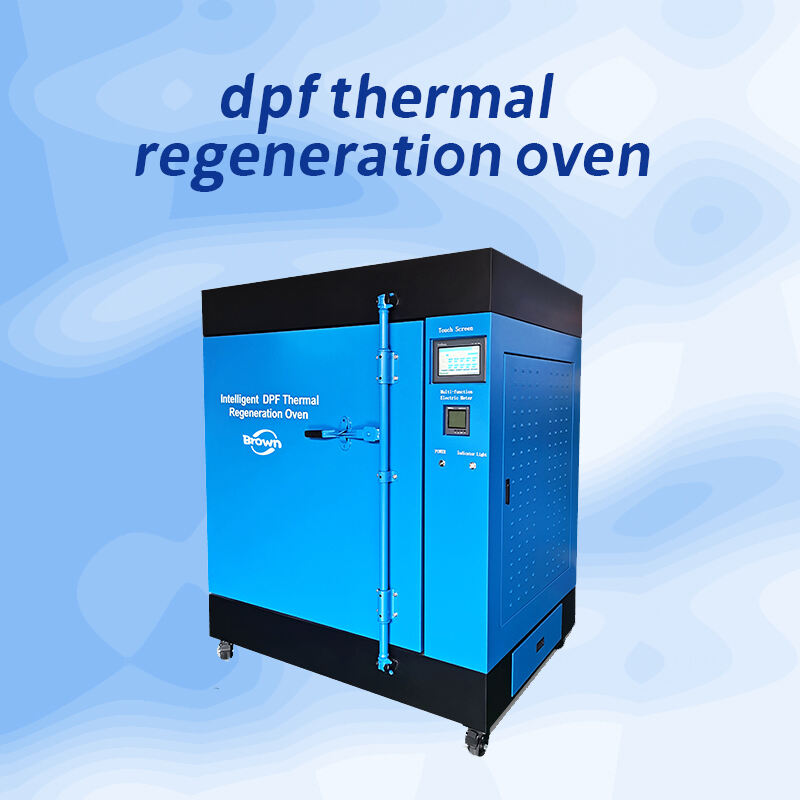
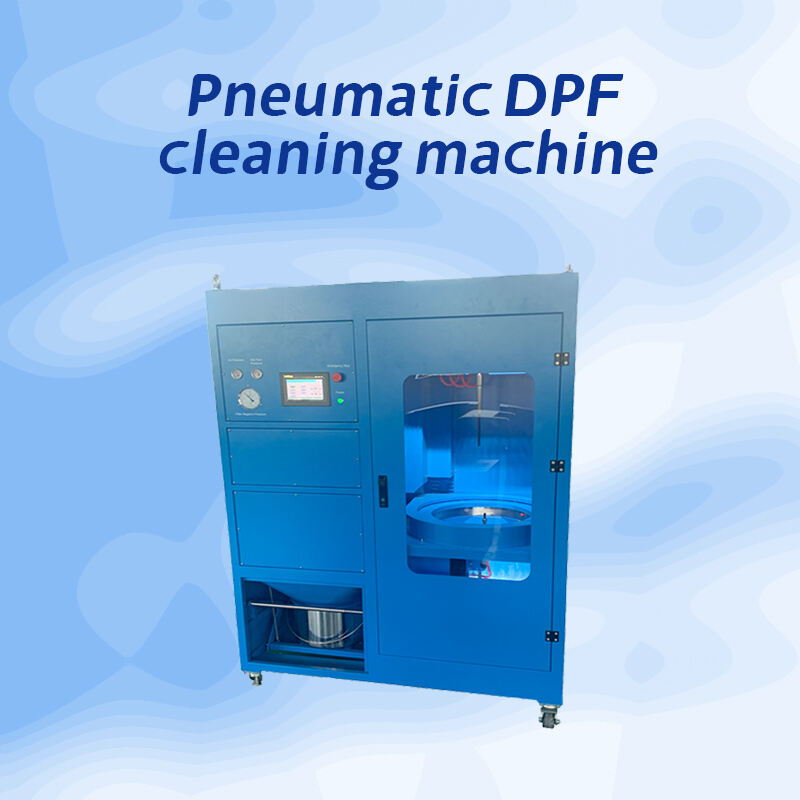
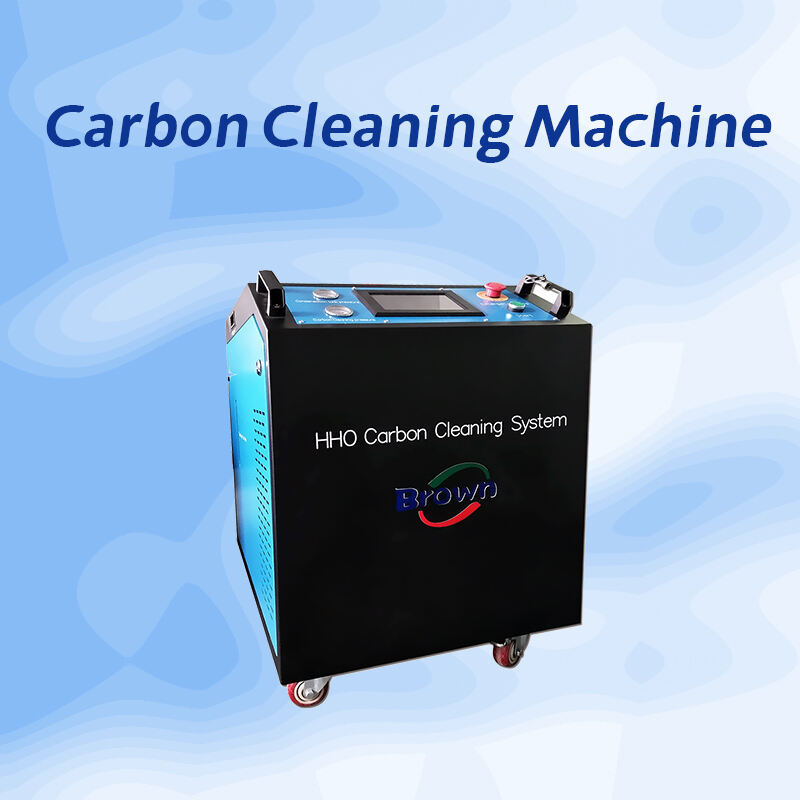
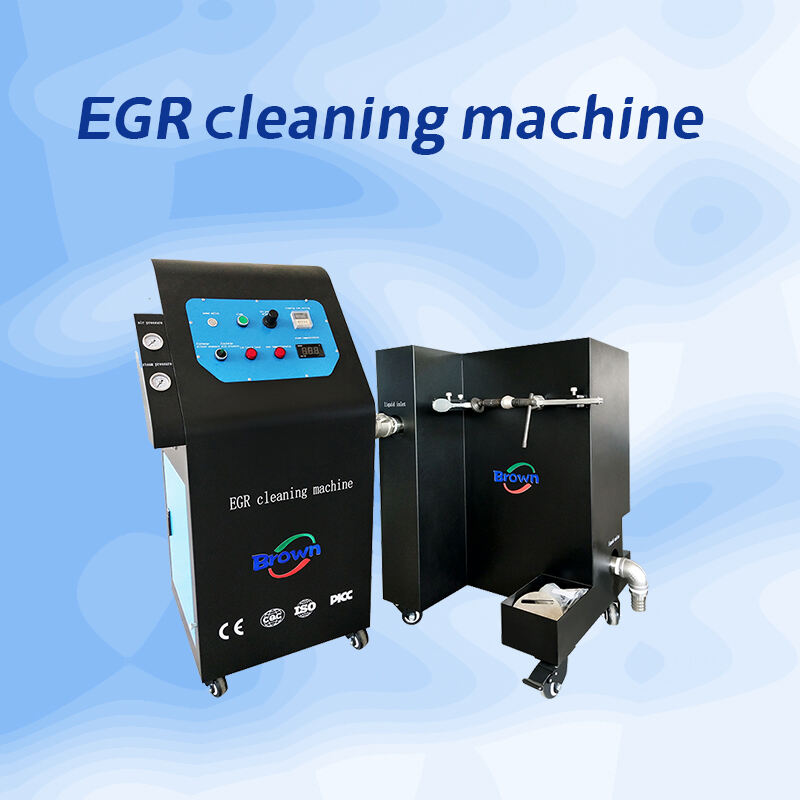

The efficacy of professional engine carbon cleaning is demonstrated through its direct impact on key performance metrics and emission outputs. Unlike fuel additives which offer limited, superficial cleaning, dedicated machines deliver a controlled, intensive treatment that thoroughly decarbonizes the combustion chamber, intake ports, and fuel injectors. This process restores the engine's original thermodynamic efficiency, leading to more complete combustion of the air-fuel mixture. The result is a direct reduction in the amount of unburned hydrocarbons and soot particles expelled from the exhaust. For businesses operating vehicle fleets, this translates into lower fuel costs, extended component life, and a reduced environmental footprint. A powerful case study comes from the rental car industry. A multinational rental agency, aiming to reduce its carbon emissions and maintenance overhead, introduced carbon cleaning for all vehicles being prepared for resale after their service life. Pre-sale inspections and emission tests conducted on over 1,000 vehicles revealed that those which underwent carbon cleaning achieved on average 18% lower emission values and sold for a 3-5% higher price at auction compared to untreated counterparts, as they presented with smoother engine operation and cleaner inspection reports. The future trends in this sector are increasingly focused on automation and precision. We are moving towards machines that can automatically identify the engine type and prescribe the optimal cleaning protocol, minimizing technician intervention and ensuring consistent results. Another emerging trend is the use of endoscope cameras to visually document the level of carbon deposits before and after cleaning, providing irrefutable visual evidence of the service's effectiveness to the customer. A recent major event was a collaborative research project between a university and an equipment manufacturer that published a peer-reviewed paper quantifying the long-term benefits of periodic carbon cleaning on engine wear, using oil analysis data. Market data from a recent Frost & Sullivan analysis highlights that garages offering advanced services like carbon cleaning are better positioned to compete in the evolving aftermarket landscape. Browne Equipments, with its comprehensive production line and commitment to quality control, produces machines known for their reliability and consistent output. Their technical consulting team works closely with clients to analyze their specific business needs and application scenarios. Performance reports from diverse markets indicate that engines cleaned with Browne Equipments' technology consistently show a significant drop in intake manifold pressure (for turbocharged engines) and a normalization of long-term fuel trim values, both key indicators of restored engine breathing and efficiency, leading to enhanced driving dynamics and reliability.
