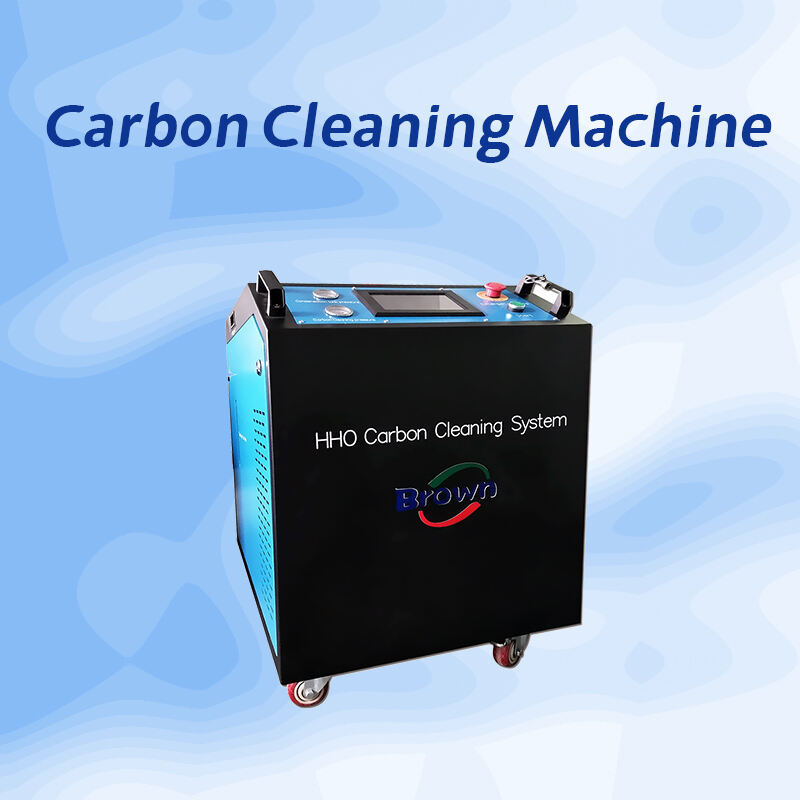

Engine carbon cleaning is a definitive technical procedure that directly addresses the root cause of many common engine performance complaints. The formation of carbon deposits is a chemical process, and reversing it requires an equally scientific approach. High-quality carbon cleaning machines do not simply "blast" away carbon; they initiate a controlled chemical reaction within the combustion chamber. In the case of hydrogen oxygen systems, the introduced hydrogen gas has a much higher flame speed than gasoline or diesel, and it burns at a lower temperature. This combination creates a reaction that breaks the molecular bonds of the carbon deposits, converting them into gaseous carbon dioxide and water vapor that are safely expelled through the exhaust system. This method is highly effective for cleaning intricate components like piston ring grooves, which are critical for maintaining cylinder compression and preventing oil consumption. An impactful application scenario is in the performance and tuning sector. Enthusiasts and professional tuners have found that a decarbonized engine provides a more stable platform for engine tuning and remapping. A documented case from a performance workshop in Japan showed that on a turbocharged sports car, a carbon cleaning session prior to a dyno tune resulted in a 12% greater power gain from the tune compared to a tuned engine with existing carbon deposits. The data also showed a smoother power curve and reduced timing corrections, indicating more stable combustion. The industry's future is being driven by a demand for quantifiable results and seamless integration into workshop workflows. The next generation of machines will feature enhanced reporting capabilities, generating customized customer reports with graphs showing pre- and post-cleaning data from the OBD-II port, such as fuel trim values and calculated engine load. The trend is towards making the benefits of the service transparent and data-backed. Another future trend is the development of compact, mobile units for off-site servicing of fleet vehicles or at motorsport events. A recent significant industry development was the introduction of a carbon cleaning certification program for technicians by a leading automotive training institute, professionalizing the service. Analytical data from a recent market study indicates that consumer awareness of engine carbon cleaning has doubled in the past five years, driving demand. Browne Equipments' position as a high-tech enterprise with a professional engineer team is central to their product development. Their machines are the result of extensive R&D focused on optimizing the electrolysis process for maximum gas yield and purity. Feedback from their overseas market, including Europe and North America, consistently praises the build quality and the tangible performance improvements achieved. Independent tests have shown that their cleaning process can reduce in-cylinder compression variation between cylinders to within 5%, a key indicator of restored engine mechanical health and balanced performance.
