 EN
EN

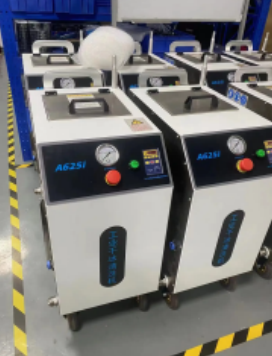
Cách Máy Phun Băng Khô Làm Sạch Động Cơ: Cơ Chế Và Những Ưu Điểm Chính
Làm Sạch Nhờ Hiện Tượng Thăng Hoa: Không Mài Mòn, Không Cặn Bã, Không Chất Thải Thứ Cấp
Các máy phun đá khô bắn những mảnh nhỏ carbon dioxide đông lạnh với tốc độ rất cao trực tiếp lên các bề mặt bẩn. Khi những viên nén này va chạm vào bề mặt, chúng lập tức chuyển từ thể rắn sang thể khí, tạo ra những vụ nổ nhỏ li ti làm bật lớp bụi bẩn hay chất nhờn bám trên đó mà không làm mài mòn bề mặt. Điều khiến phương pháp này trở nên hiệu quả là nó không để lại bất kỳ chất thải dư thừa nào như kỹ thuật phun cát truyền thống, cũng không sinh ra hóa chất độc hại cần chứa đựng đặc biệt để xử lý sau này. Vì không sử dụng nước hay các chất tẩy rửa mạnh, nên cũng không có nguy cơ xuất hiện gỉ sét hay phải xử lý lượng nước thải bừa bộn như nhiều phương pháp làm sạch khác.
Phá vỡ do Sốc Nhiệt các Cặn Carbon và Dầu Nhớt Bám trên Bề Mặt Kim Loại
Những viên đá khô có thể đạt nhiệt độ cực thấp, khoảng -78 độ C hoặc -109 độ F, khiến các vật liệu co lại nhanh chóng khi tiếp xúc với các bộ phận nóng trong động cơ. Sự thay đổi nhiệt độ đột ngột tạo ra hiện tượng mà các thợ máy gọi là sốc nhiệt, phá vỡ các liên kết cứng đầu giữ cặn carbon, bùn dầu và các chất bẩn khác bám trên bề mặt kim loại. Khi những viên đá này thực sự chạm vào bề mặt, chuyển động của chúng tạo thêm một lực làm sạch. Từng lớp bụi bẩn sẽ bong ra khi các viên đá nảy lên xuống bên trong động cơ. Phương pháp này cũng rất hiệu quả đối với đầu xi lanh, piston và hệ thống ống xả, đồng thời giữ cho bề mặt kim loại nguyên vẹn và đúng kích thước của chúng. Không cần sử dụng hóa chất mạnh hoặc vật liệu mài mòn.
Hoạt động không dẫn điện và không ăn mòn—An toàn cho cảm biến, dây điện và hợp kim nhôm
Việc phun đá khô không dẫn điện và sẽ không phản ứng hóa học, điều này khiến nó khá an toàn cho các hệ thống động cơ hiện đại. Quy trình này sẽ không làm hư hại các bộ phận điện tử nhạy cảm như cảm biến, dây điện hay các bộ điều khiển điện tử (ECU). Hơn nữa, nó thực sự bảo vệ những chi tiết như bộ phận bằng nhôm, gioăng đệm và các mối nối được gia công chính xác cần xử lý cẩn thận. Khi đá khô bay hơi trở lại thành khí CO2 sau khi làm sạch, mọi dư lượng đều biến mất hoàn toàn. Không để lại nước đồng nghĩa với việc không xảy ra vấn đề ăn mòn về sau. Điều này nổi bật so với các phương pháp làm sạch bằng hơi nước hoặc chất tẩy nhờn hóa học, đặc biệt quan trọng khi xử lý động cơ có các bộ phận composite và điện tử tích hợp, nơi mà độ ẩm có thể gây thảm họa.
Đo lường Hiệu quả: Hiệu suất Loại bỏ, An toàn Bề mặt và Lợi ích Vận hành
92–97% Cặn Carbon được Loại bỏ trên Các Bộ phận Động cơ Đốt Trong Kiểm tra trong Phòng Thí nghiệm (Dữ liệu SAE 2022)
Các thử nghiệm độc lập được đề cập trong các báo cáo kỹ thuật năm 2022 của SAE International cho thấy việc phun cát đá khô loại bỏ khoảng 92 đến 97 phần trăm lượng cặn carbon khỏi các bộ phận quan trọng bên trong động cơ đốt trong. Chúng ta đang nói về những thứ như vòng găng piston, đầu xy-lanh và các cụm van phức tạp nơi mà sự tích tụ cặn làm phát sinh nhiều vấn đề. Lý do phương pháp này hiệu quả nằm ở hiện tượng khi đá khô chuyển trực tiếp từ thể rắn sang thể khí. Những vụ nổ vi mô này về cơ bản sẽ thổi bay các lớp cặn đồng thời tạo ra các cú sốc nhiệt giúp làm lỏng lẻo mọi thứ. Phần hay nhất là không cần dùng đến các dung môi hóa học mạnh, nghĩa là sau đó sẽ ít phải xử lý chất thải độc hại hơn. Các kỹ thuật viên báo cáo rằng các xưởng sử dụng kỹ thuật này tiết kiệm được chi phí xử lý chất thải và đưa động cơ trở lại hoạt động nhanh hơn nhiều. Một số nơi tuyên bố họ đã giảm thời gian sửa chữa khoảng bảy mươi phần trăm so với các phương pháp chà tay truyền thống.
Xác nhận Không Hư Hại Bề Mặt Ngầm qua SEM—so với Phun Cát, Chải Dây Thép hoặc Ngâm Hóa Chất
Các nghiên cứu SEM đã chỉ ra rằng phương pháp phun đá khô không tạo ra các vết nứt vi mô dưới bề mặt, điều này làm nổi bật sự khác biệt so với các phương pháp mài mòn khác. Phun cát thường để lại những vết nứt nhỏ trên thành xi lanh, chải dây thép có thể làm hư hại các bề mặt nhôm mềm, và ngâm hóa chất gây ra vấn đề thực tế đối với các kết nối điện và buồng dẫn dầu khi dung dịch xâm nhập vào bên trong. Tuy nhiên, phương pháp phun đá khô hoạt động theo cách khác. Nó giữ cho các bề mặt lắp ghép quan trọng nằm trong dung sai của nhà sản xuất, không để lại các hạt dư trong các đường dẫn dầu, và không làm ảnh hưởng đến các cảm biến tích hợp hoặc hệ thống dây điện. Các thử nghiệm trong phòng thí nghiệm thậm chí còn ghi nhận không có sự sụt giảm đáng kể nào về độ cứng bề mặt ngay cả sau 15 chu kỳ làm sạch, khiến đây trở thành lựa chọn đáng tin cậy cho công việc bảo trì.
Ứng Dụng Thực Tế của Máy Phun Đá Khô Trên Các Loại Động Cơ Khác Nhau
Ô tô: Làm Sạch Trực Tiếp Trên Khung Đối Với Động Cơ V6 Tăng Áp (Các Trường Hợp Nghiên Cứu từ Ford & BMW)
Việc sử dụng phương pháp phun đá khô cho phép các kỹ thuật viên làm sạch hoàn toàn động cơ V6 tăng áp ngay cả khi động cơ vẫn đang được lắp trong xe, nhờ đó giảm đáng kể thời gian bảo trì so với các phương pháp truyền thống. Quy trình này loại bỏ các cặn carbon bám chặt hình thành trên nhiều bộ phận khác nhau, bao gồm piston, van nạp khó tiếp cận, bản thân bộ tăng áp và cả ống xả. Điều làm nên điểm nổi bật của phương pháp này là khả năng bảo vệ các bộ phận quan trọng như gioăng, phớt và duy trì độ hiệu chuẩn chính xác cho mọi cảm biến trong suốt quá trình làm sạch. Khi xử lý những khu vực nhiệt độ cao trong động cơ—nơi các chất tẩy rửa hóa học thông thường không hiệu quả đủ—hiệu ứng sốc nhiệt sẽ giúp bong ra các cặn bám cứng đầu này. Điều này không chỉ có nghĩa là giảm sức lao động vật lý cho thợ máy mà còn giúp họ tránh phải tháo toàn bộ động cơ ra, một yếu tố trở nên đặc biệt quý giá tại các xưởng sửa chữa đông đúc, nơi phải xử lý hàng loạt xe mỗi ngày.
Hàng không và Hàng hải: Bảo trì nhanh chóng, không phá hủy các vỏ tuabin và hộp số
Phương pháp phun đá khô rất hiệu quả trong việc làm sạch trong cả lĩnh vực hàng không và hàng hải. Nó loại bỏ bụi bẩn khỏi các vỏ tuabin, hộp số và các bộ phận động cơ diesel mà không gây hư hại. Thợ cơ khí có thể làm sạch muối tích tụ trên động cơ diesel hàng hải và cặn carbon trên các cánh tuabin nhanh hơn khoảng ba phần tư so với các phương pháp truyền thống. Điều làm nên giá trị lớn của kỹ thuật này là nó không dẫn điện, giúp bảo vệ an toàn cho các thiết bị điện tử nhạy cảm khi tiến hành làm sạch ngay tại vị trí lắp đặt. Hơn nữa, tác động nhẹ nhàng sẽ không làm lõm hay biến dạng các bộ phận nhôm hoặc vật liệu composite dễ hỏng—điều thường xảy ra khi sử dụng hóa chất ăn mòn hoặc chất mài mòn thô ráp.
Hạn chế thực tế và thời điểm nên tránh sử dụng máy phun đá khô
Không hiệu quả đối với keo gioăng đã đóng rắn, mỡ ổ bi kín và cặn epoxy dày
Việc phun đá khô hoạt động rất hiệu quả trong việc loại bỏ các chất phản ứng với sự thay đổi nhiệt độ, chẳng hạn như cặn carbon, dầu bôi trơn bị oxy hóa và các lớp vecni mỏng. Tuy nhiên, phương pháp này ít hiệu quả đối với các vật liệu đã tạo thành liên kết hóa học hoặc có tính đàn hồi cao. Những thứ như keo gioăng đã đông cứng, mỡ ổ bi được bịt kín và phần còn lại của epoxy dày chỉ hấp thụ lạnh mà không vỡ ra, và sẽ không dịch chuyển ngay cả khi đá khô thăng hoa từ thể rắn sang thể khí. Khi xử lý các chất dai dẳng này, việc cạo thủ công theo cách truyền thống hoặc sử dụng các dung môi đặc hiệu vẫn thường là giải pháp phù hợp nhất.
Hạn chế về Môi trường và Vận hành: Chuỗi cung ứng CO₂, Thông gió và Khả năng di chuyển của Thiết bị
Việc triển khai thành công đòi hỏi phải lập kế hoạch cơ sở hạ tầng cẩn thận:
- Chuỗi cung ứng CO₂ phải đảm bảo việc giao hàng định kỳ và lưu trữ cryogenic ở nhiệt độ -78°C
- Hệ thống thông gió rất cần thiết để khuếch tán an toàn lượng khí CO₂ đậm đặc trong các không gian làm việc kín
-
Khả năng di chuyển của thiết bị là có hạn—các máy nén công nghiệp, máy sấy khí và máy phát điện thường phải được yêu cầu tại chỗ
Những hạn chế này làm tăng độ phức tạp và chi phí vận hành so với các giải pháp cầm tay như máy phun bi. Luôn cần đánh giá mức độ sẵn sàng của cơ sở trước khi tích hợp việc phun đá khô vào quy trình bảo trì.