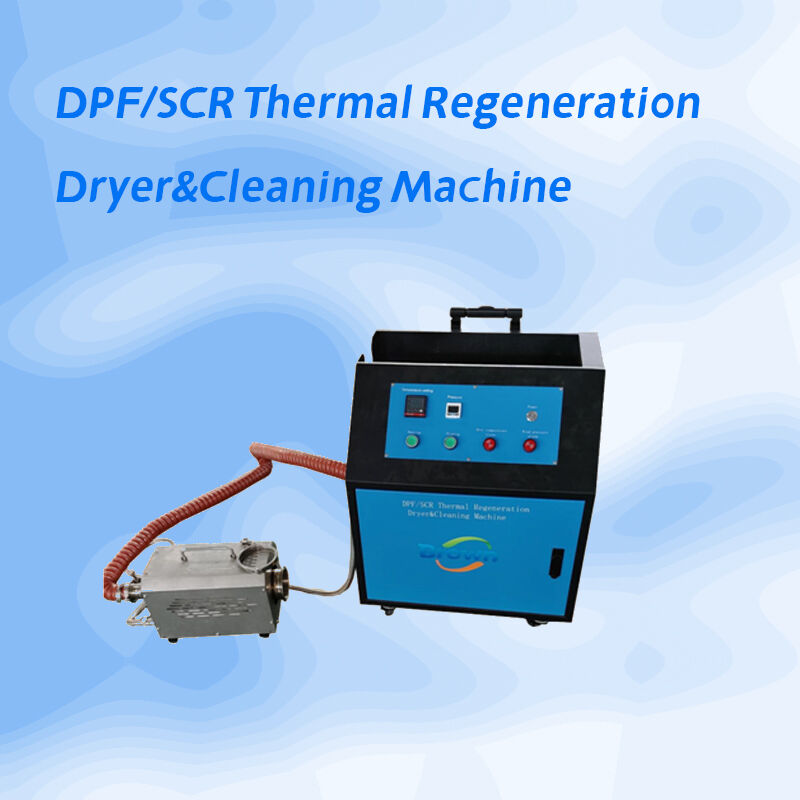
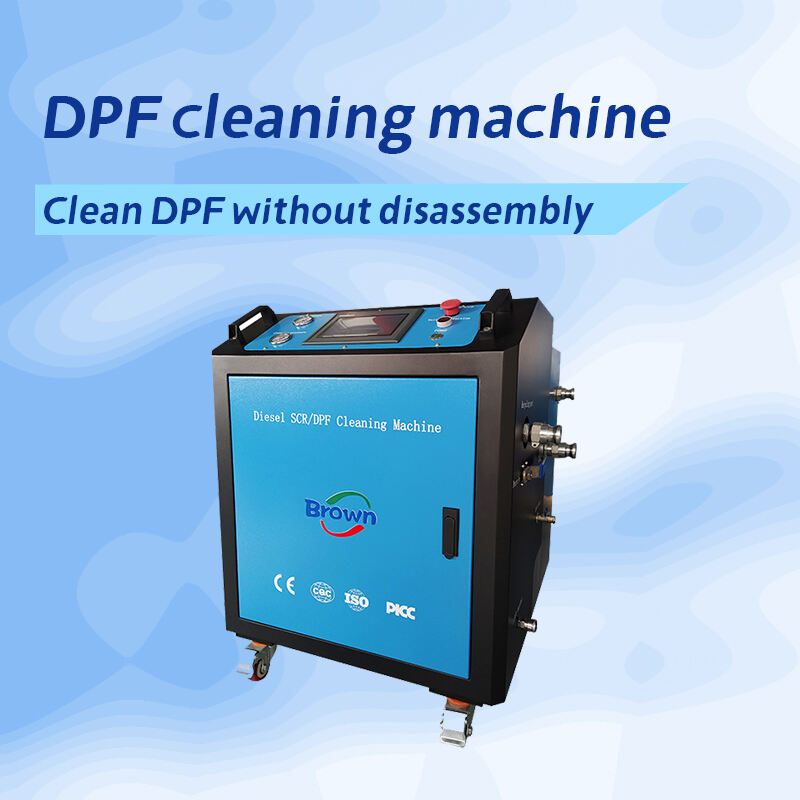
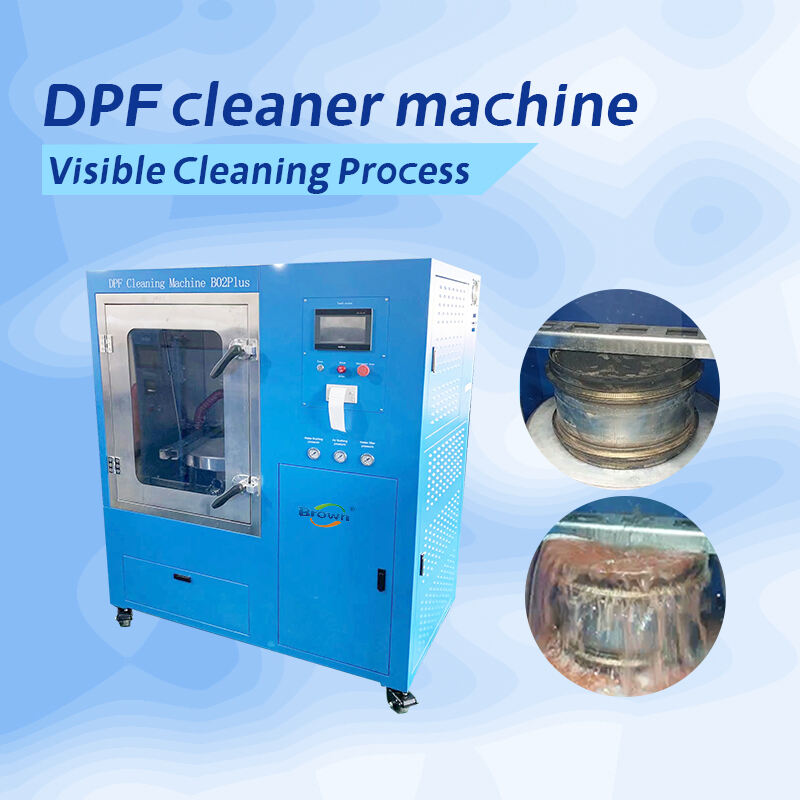
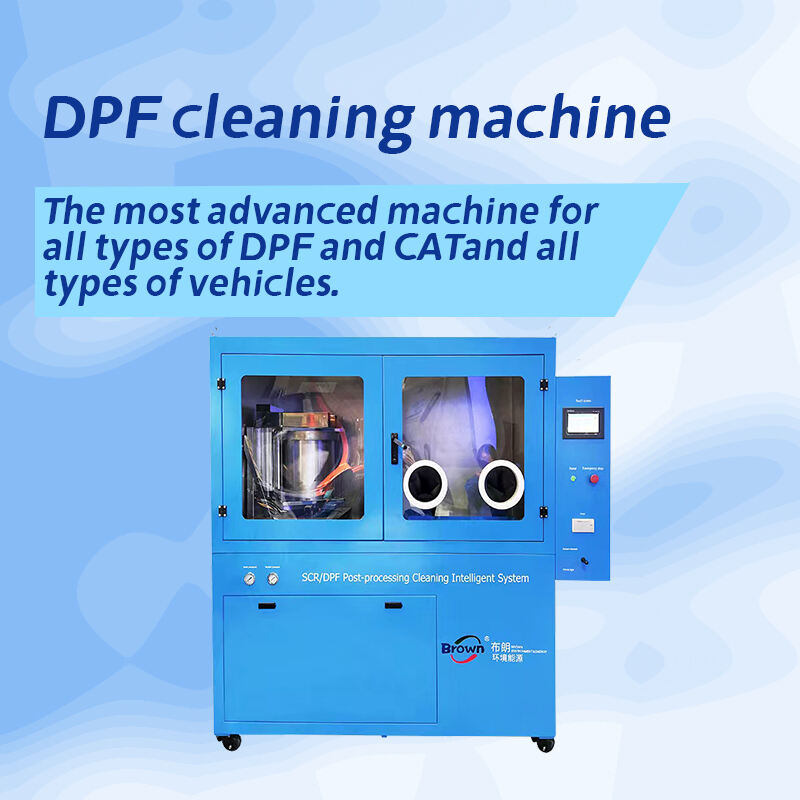
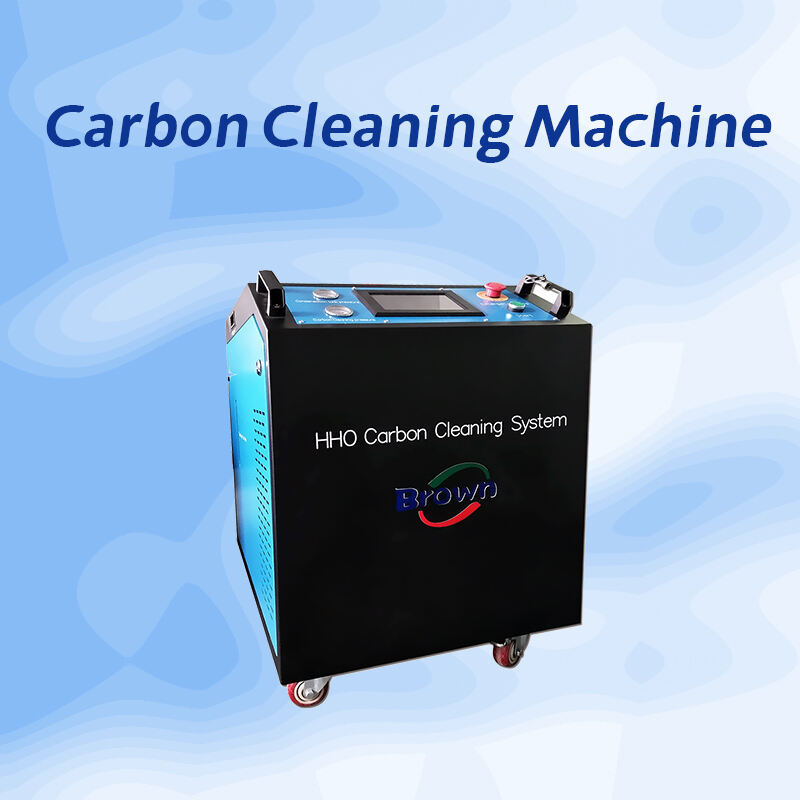
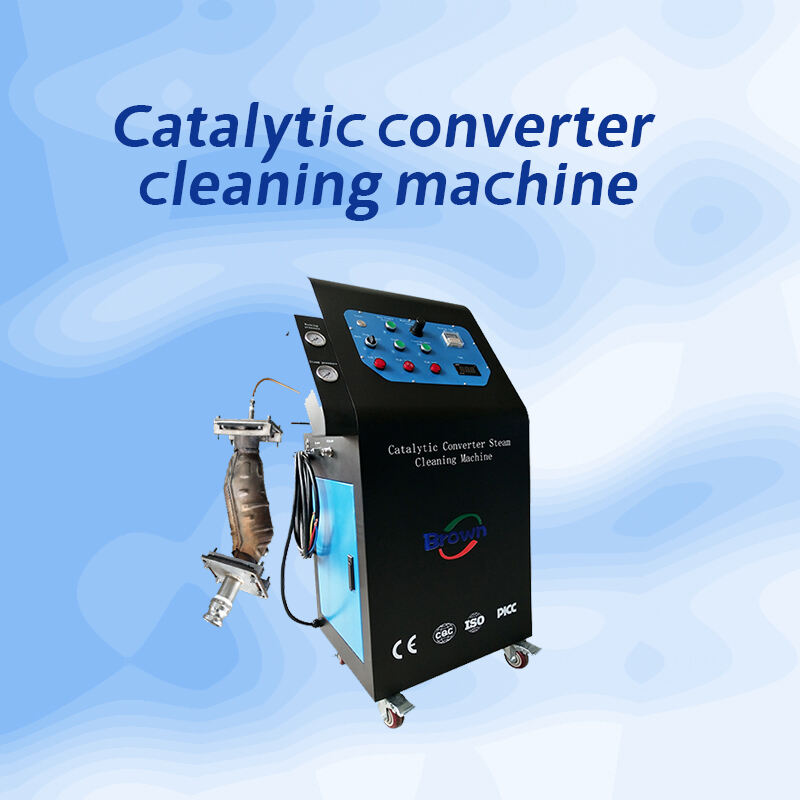

Engine carbon cleaning machines are sophisticated devices engineered to eliminate carbon deposits from internal combustion engines, which accumulate due to incomplete fuel combustion over time. These deposits can lead to severe issues such as reduced fuel efficiency, increased emissions, engine knocking, and premature wear of components like pistons, valves, and fuel injectors. The cleaning process typically utilizes advanced methods like hydrogen oxygen decarbonization, where electrolysis of distilled water produces a gas mixture that is introduced into the engine's intake system. This induces a controlled combustion reaction that safely burns away carbon buildup without harming engine parts. In application scenarios, automotive repair shops and fleet maintenance centers employ these machines to restore engine performance, often achieving results like a 10-20% improvement in fuel economy and a 15-30% reduction in harmful emissions, as evidenced in case studies involving commercial vehicles in urban settings. For instance, a recent implementation with a logistics company in Europe demonstrated that regular carbon cleaning extended engine life by over 50,000 kilometers and cut maintenance costs by 25%. The industry is shaped by future trends such as the integration of IoT and AI for predictive maintenance, allowing real-time monitoring of engine health via sensors. Despite the rise of electric vehicles, the global market for engine carbon cleaners is projected to grow at a CAGR of 6.5% from 2023 to 2030, driven by stringent emission regulations like Euro 7 and China's Phase VI standards. Recent industry events include partnerships between manufacturers and automotive OEMs to develop hybrid solutions for existing fleets. Market research from sources like Grand View Research indicates the market size was valued at $1.8 billion in 2022 and is expected to reach $2.7 billion by 2028, with Asia-Pacific dominating due to rapid industrialization. Companies such as Browne Equipments leverage their patented technologies and ISO/CE certifications to deliver reliable products, supported by data showing that their machines can reduce carbon deposits by up to 95% in post-cleaning diagnostics, enhancing overall vehicle sustainability and operational efficiency for diverse clients worldwide.
