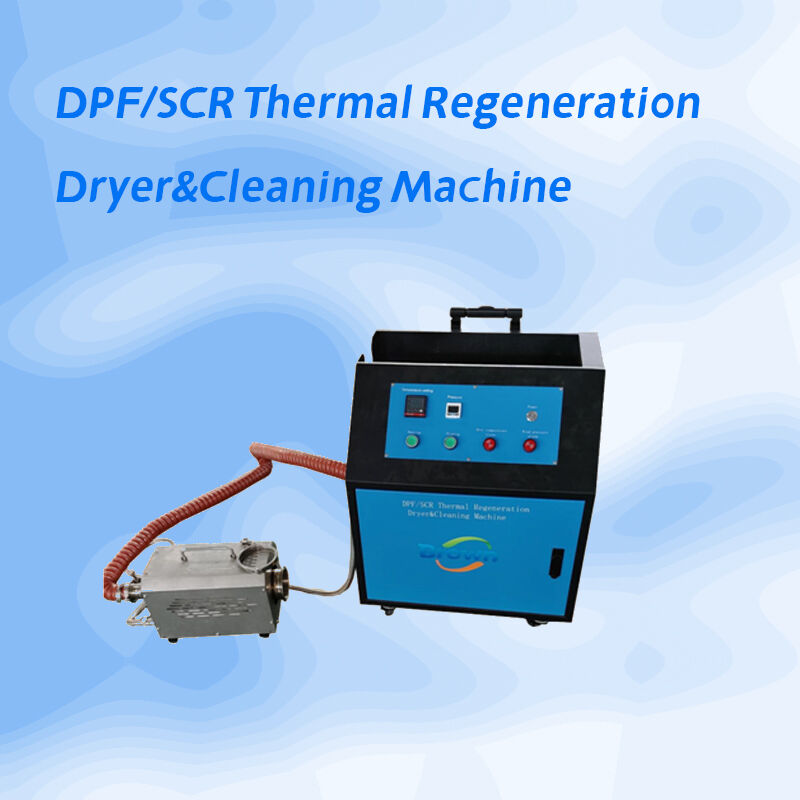
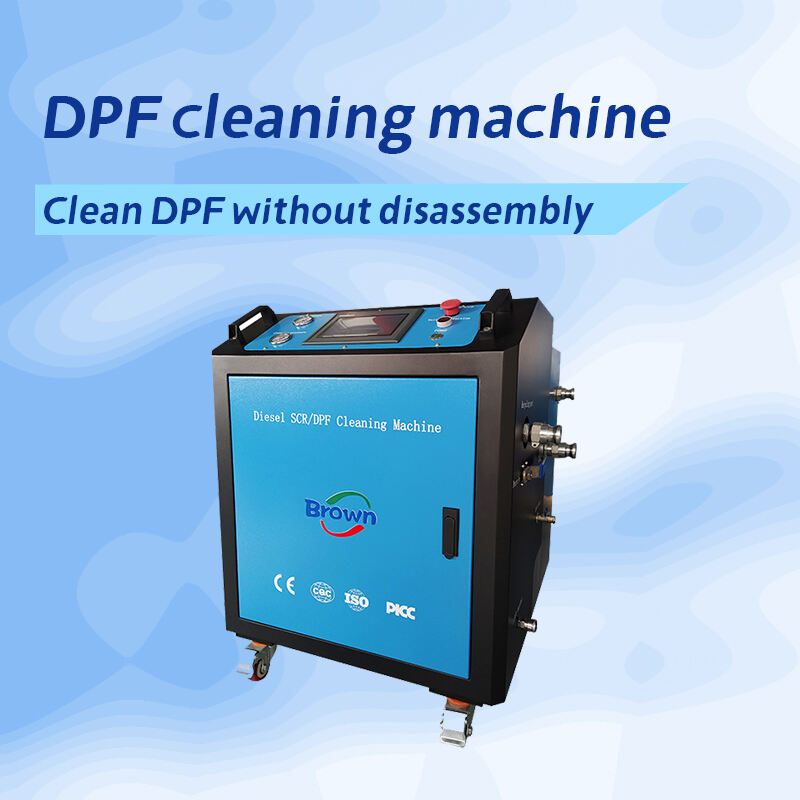
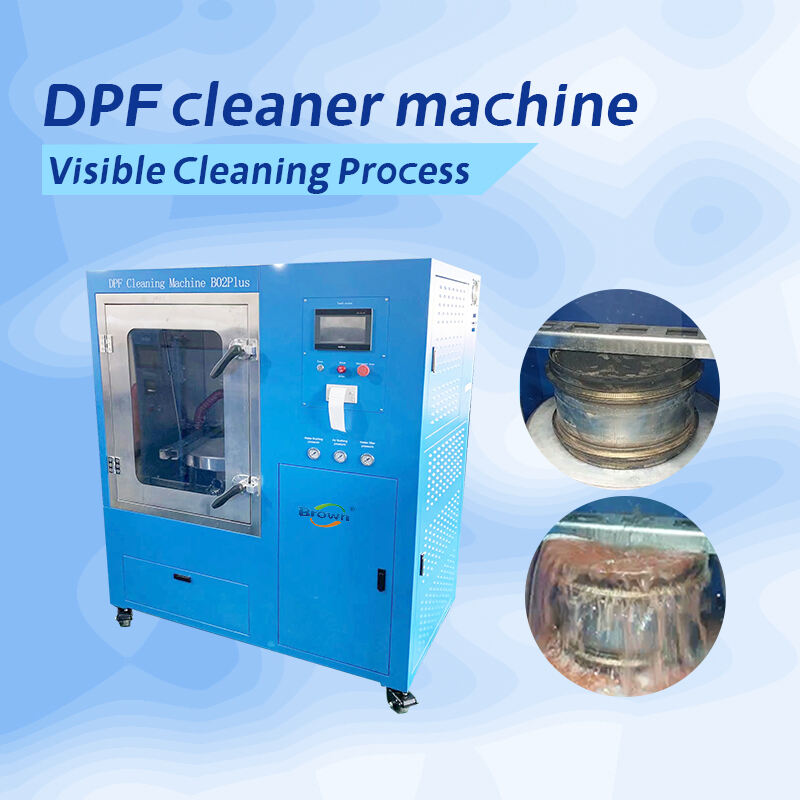
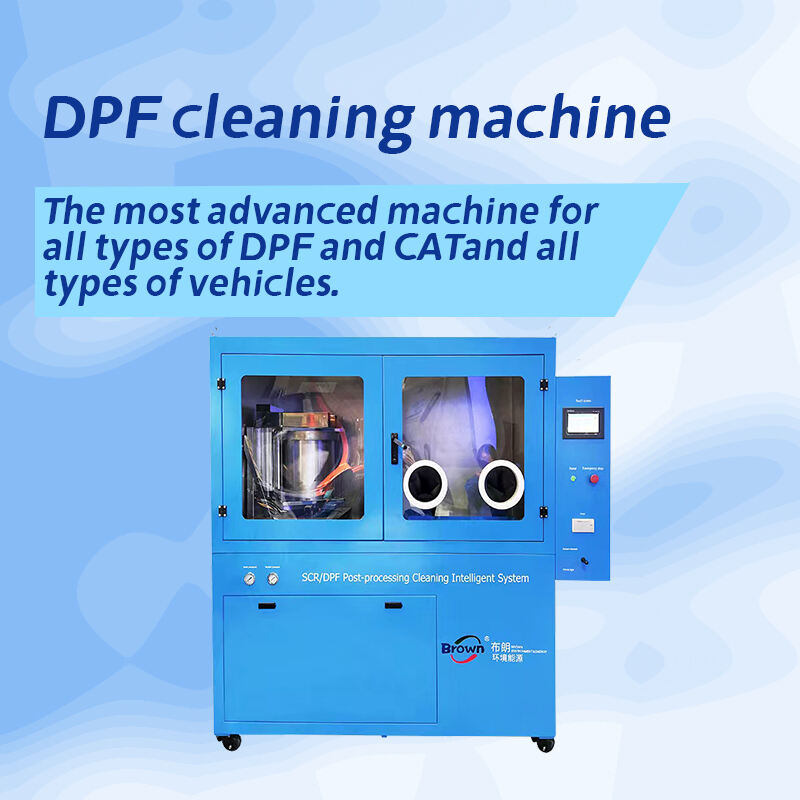
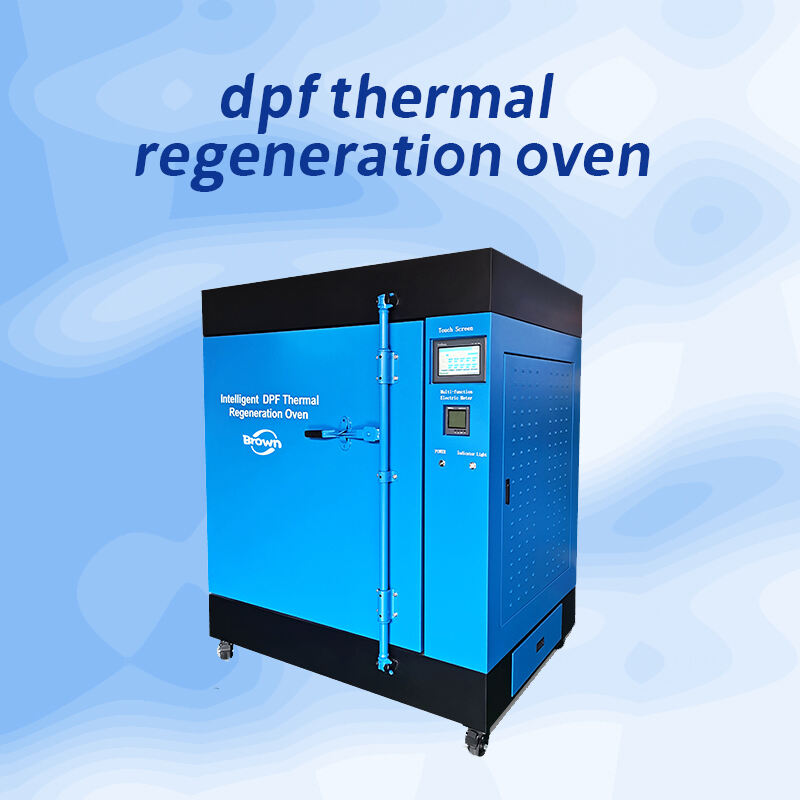
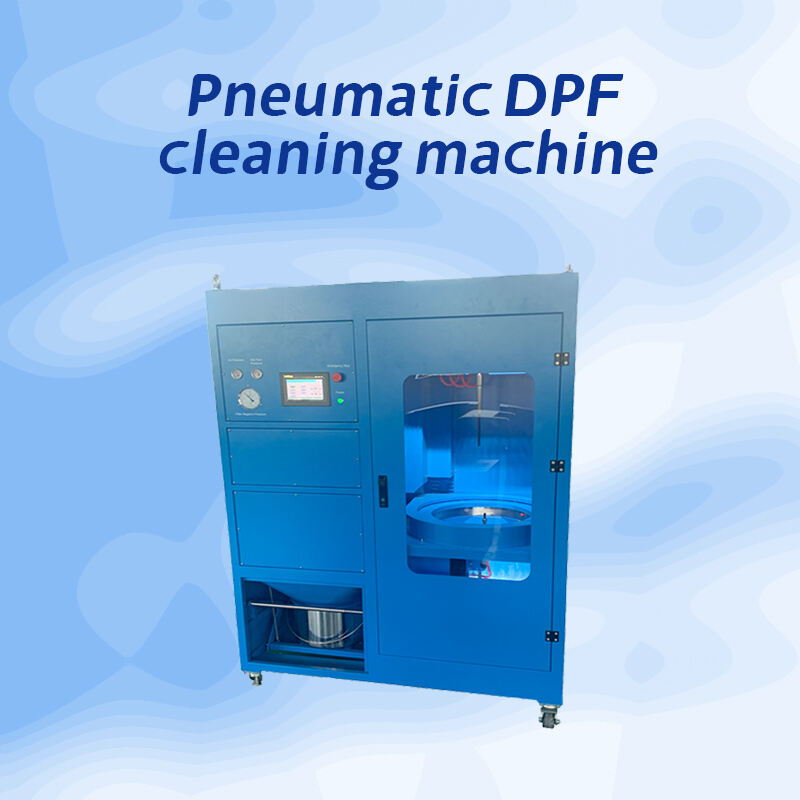
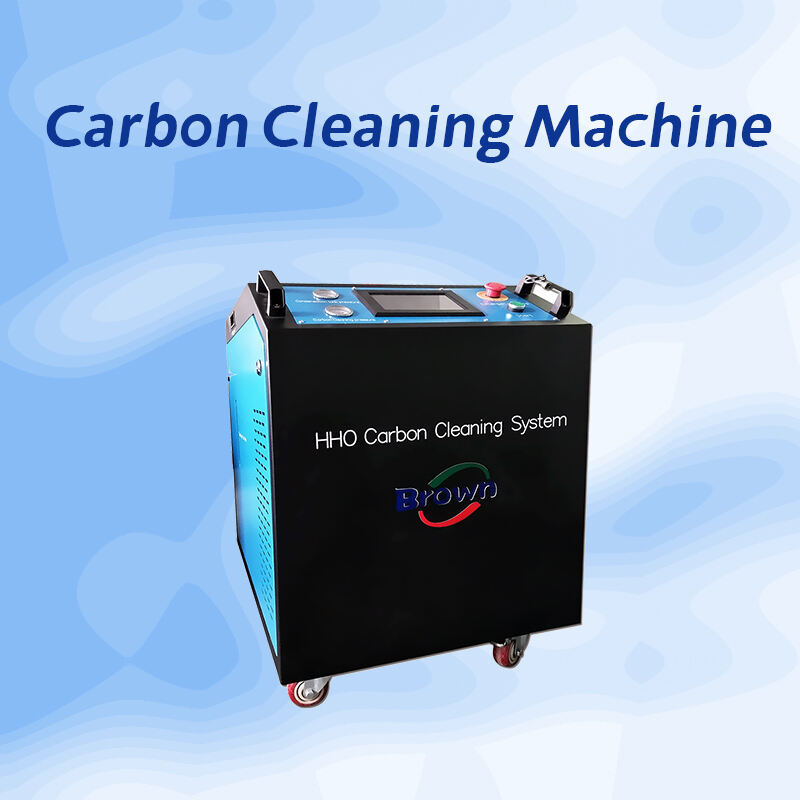
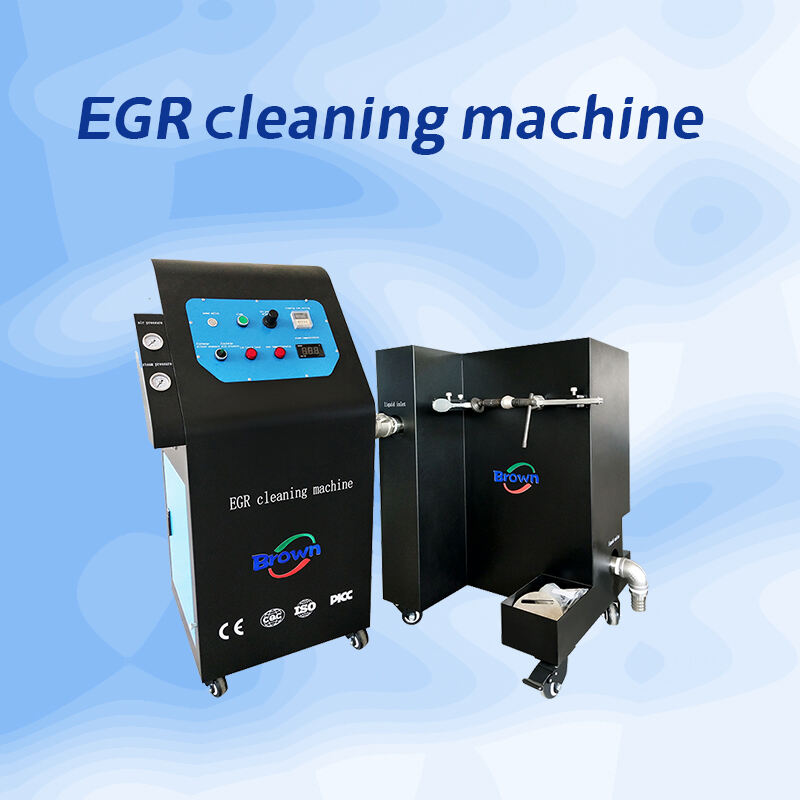
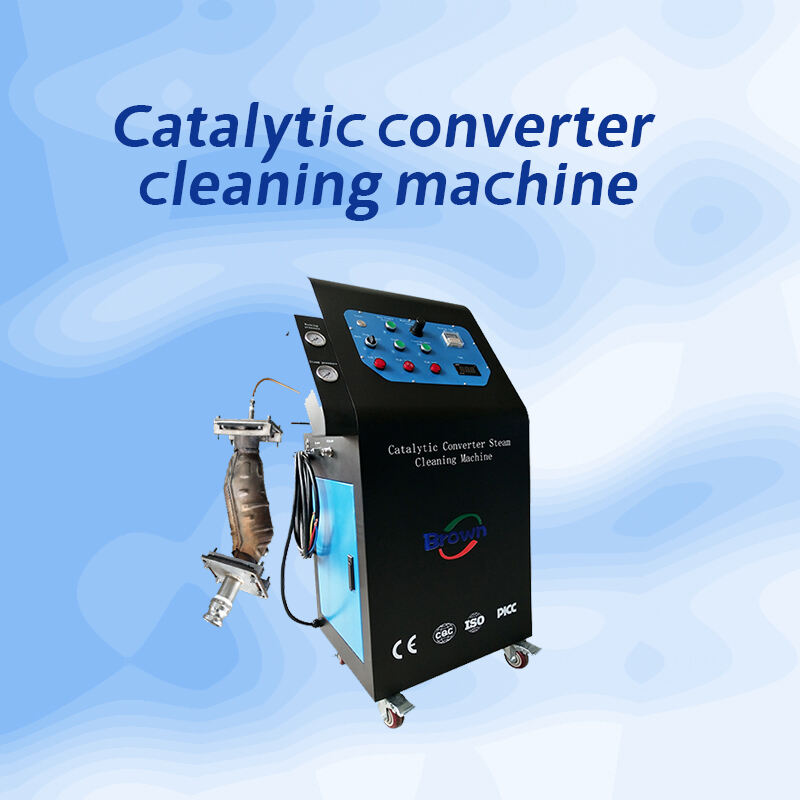

Engine carbon cleaning represents a critical maintenance procedure for internal combustion engines, addressing the pervasive issue of carbon deposit accumulation. These deposits, primarily composed of unburned hydrocarbons and soot, form on vital components such as fuel injectors, intake valves, combustion chambers, and EGR systems over prolonged operation. The consequences are severe, leading to restricted fuel flow, compromised combustion efficiency, increased fuel consumption, elevated exhaust emissions, engine knocking, and overall performance degradation. Modern engine carbon cleaning machines, like those developed by Browne Equipments, utilize advanced hydrogen oxygen decarbonization technology. This process involves the electrolysis of deionized water to produce a precise mixture of hydrogen and oxygen gas. This active gas is introduced into the engine's intake manifold, where it mixes with the air-fuel charge. During the combustion cycle, the gas facilitates a secondary, high-temperature reaction that gently and safely vaporizes carbon deposits without causing thermal stress or damage to engine components. The process is non-abrasive and chemical-free, ensuring the longevity of sensitive engine parts. Application scenarios are vast, ranging from automotive repair shops and fleet management companies to marine engine maintenance and industrial power generation units. For instance, a case study involving a European taxi fleet operating diesel vehicles demonstrated that a routine 30-minute carbon cleaning service every 15,000 kilometers resulted in an average fuel economy improvement of 12%, a 25% reduction in visible smoke opacity, and a restoration of engine power output to near-factory specifications. The industry is witnessing future trends driven by connectivity and data analytics. The next generation of carbon cleaning equipment is integrating IoT sensors and cloud-based software to record cleaning parameters, engine performance data pre- and post-service, and build predictive maintenance schedules. This data-driven approach allows service centers to provide customers with quantifiable results and forecasts for optimal service intervals. Furthermore, as global emission standards like Euro 7 and China 6b become increasingly stringent, the role of periodic carbon cleaning in maintaining compliance is amplified. Recent industry analysis from Grand View Research projects the global engine carbon cleaning market to grow at a compound annual growth rate (CAGR) of 6.8% from 2023 to 2030, reaching a value of approximately USD 2.9 billion. This growth is fueled by the aging global vehicle fleet and the high cost of replacing emission control components like DPFs and SCR catalysts, which are directly impacted by carbon fouling. Browne Equipments, with its suite of ISO and CE certifications and numerous national invention patents, positions itself at the forefront of this evolution. Their machines feature automated operation cycles, real-time data monitoring, and safety interlocks, ensuring superior quality and user safety. Performance data from authorized service centers using their equipment consistently shows a reduction in hydrocarbon (HC) and carbon monoxide (CO) emissions by over 40% in post-cleaning diagnostic tests, making it an indispensable service for modern vehicle maintenance.
