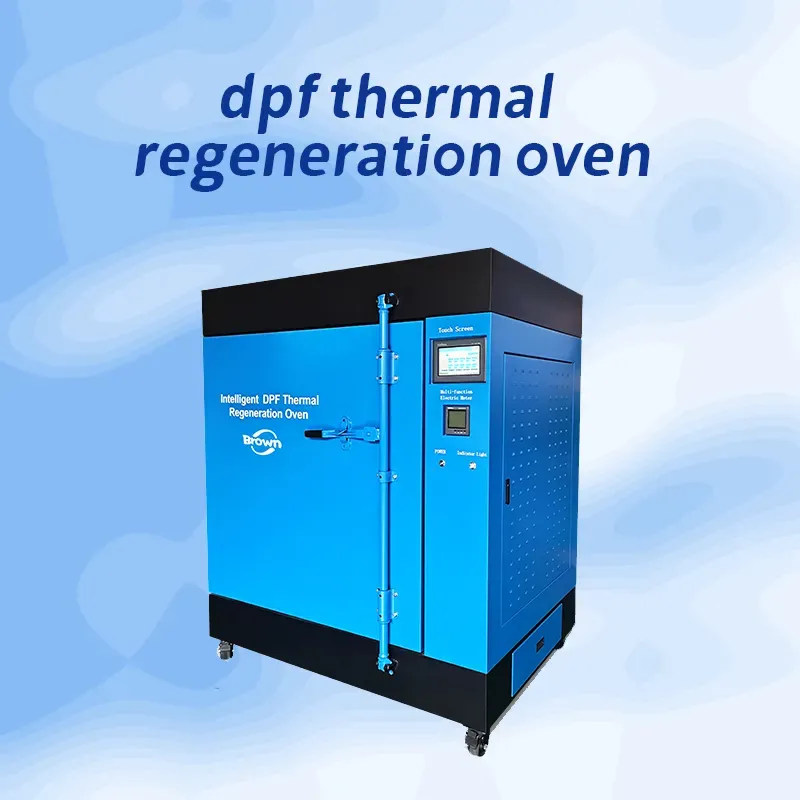
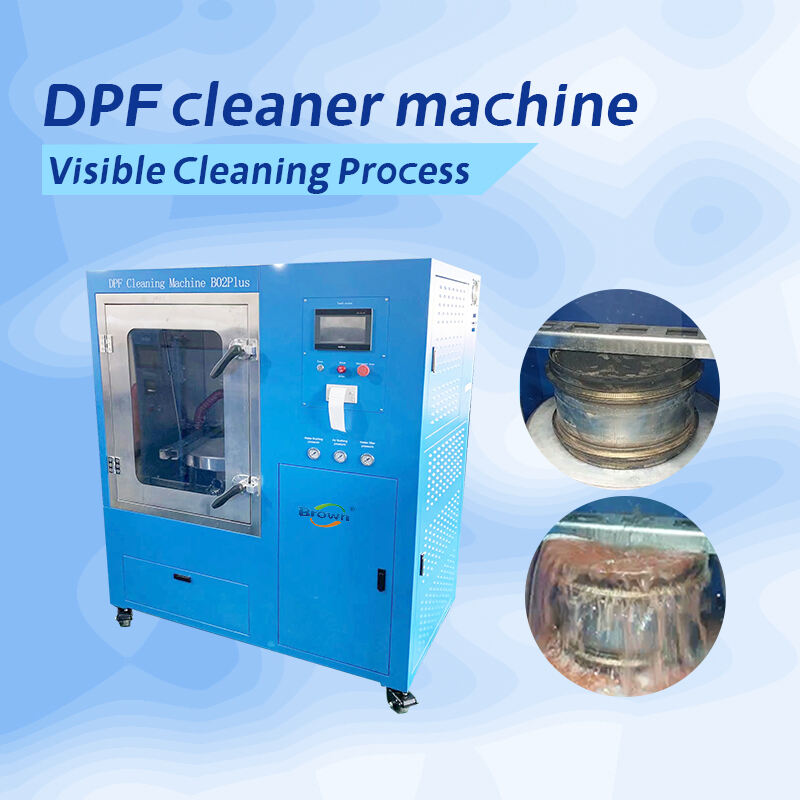


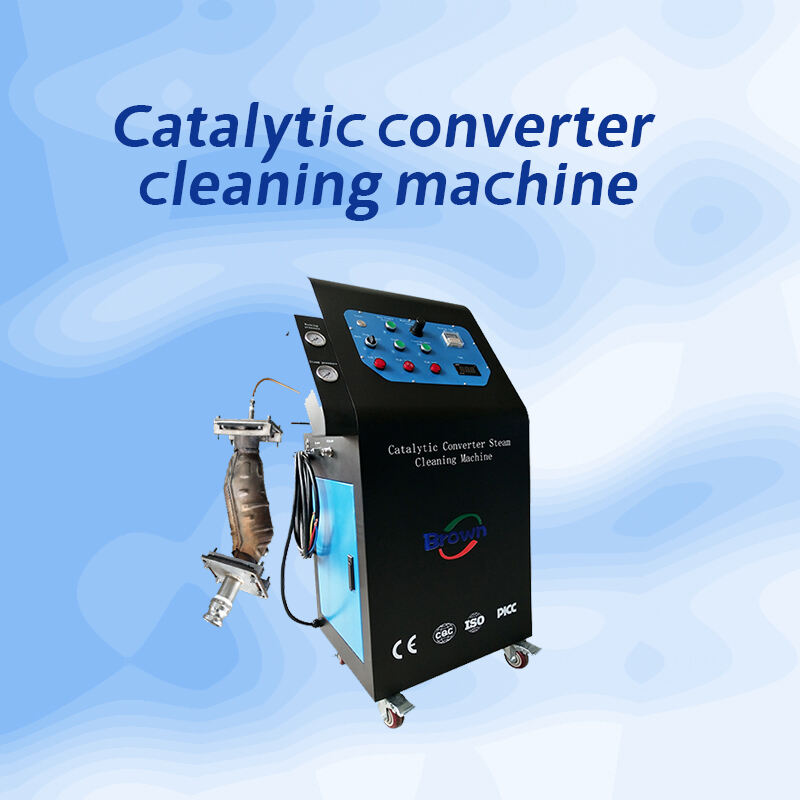
Engine carbon cleaning is a proactive maintenance solution that directly counters the economic and environmental costs associated with carbon fouling. The deposits act as heat insulators within the combustion chamber, leading to localized overheating, pre-ignition, and potential damage to piston crowns and valves. They also disrupt the precise spray pattern of fuel injectors, causing uneven combustion and power loss. Advanced carbon cleaning systems are engineered to be safe for all engine types, including those with turbochargers and sensitive oxygen sensors. The process is typically performed with the engine at operating temperature, ensuring optimal cleaning efficiency. The machine's control unit regulates the flow of the cleaning agent, whether gas or liquid, to maintain a safe and effective process. The versatility of these machines makes them suitable for a wide array of application scenarios beyond standard passenger cars. In the agricultural sector, for example, carbon buildup in tractor and combine harvester engines is a major cause of reduced power and increased fuel consumption during critical harvesting seasons. A cooperative in the Midwest US implemented a carbon cleaning program for its fleet and documented a case where a high-hour combine engine regained over 95% of its rated horsepower after a single treatment, allowing it to complete the harvest without costly engine overhaul downtime. The industry's future trajectory is aligned with sustainability and digitalization. There is a growing emphasis on developing eco-friendly cleaning reagents and reducing the energy and water consumption of the cleaning equipment itself. Moreover, the integration of QR code scanning and VIN recognition in newer machine models allows for automatic setup and logging of service data, creating a digital service history for each vehicle. A significant recent industry event was the formation of a technical committee within a major automotive aftermarket association to standardize procedures and training for carbon cleaning services, lending further credibility to the practice. Data from a recent industry survey revealed that service centers offering professional carbon cleaning services experienced a 25% increase in customer retention rates. Analytically, the global market for engine cleaning products is expected to witness a CAGR of 5.5% over the next five years, according to a report by Research and Markets. Browne Equipments' commitment to R&D is evident in their patented technologies, which often focus on improving the efficiency and safety of the gas generation process. Their machines are known for features like automatic calibration and leak detection, providing peace of mind to operators. Performance validation from numerous overseas clients shows that using Browne Equipments' cleaners can lead to a measurable decrease in engine noise and vibration, indicators of smoother combustion, and a typical reduction of 8-12% in fuel costs for fleet operators, delivering a rapid return on investment.