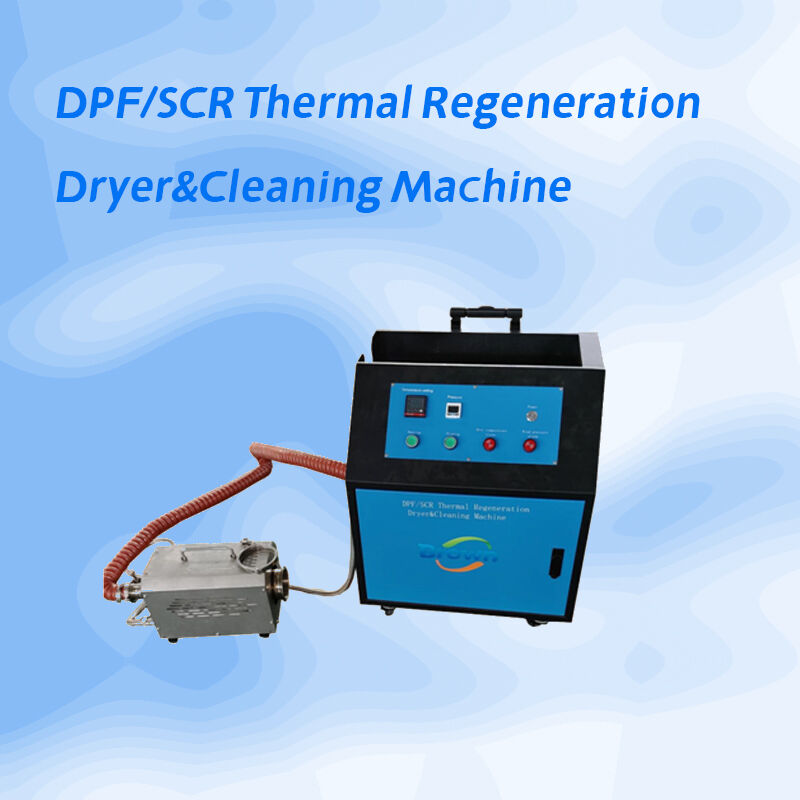
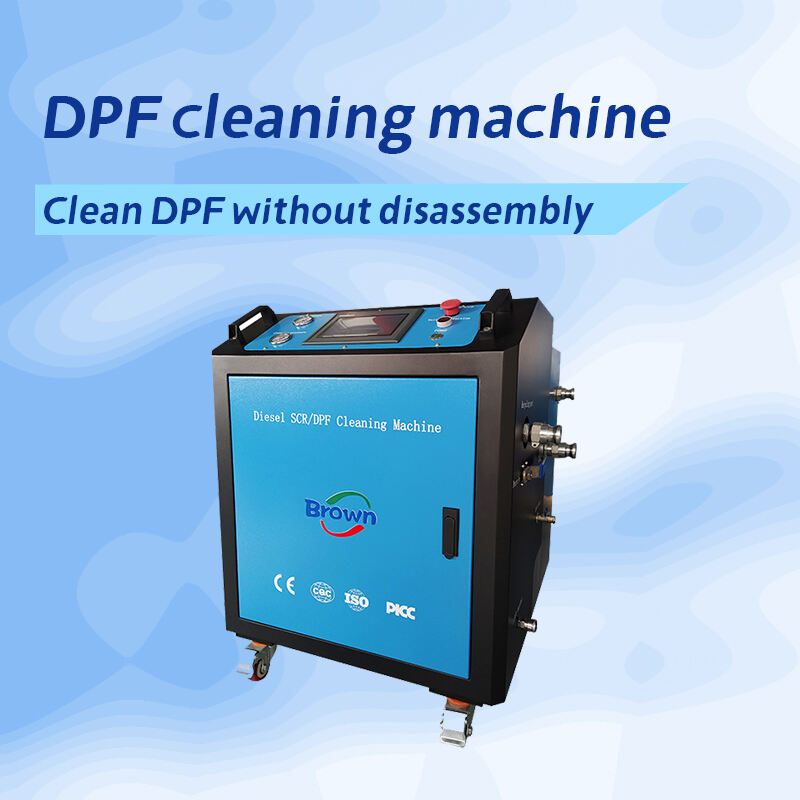
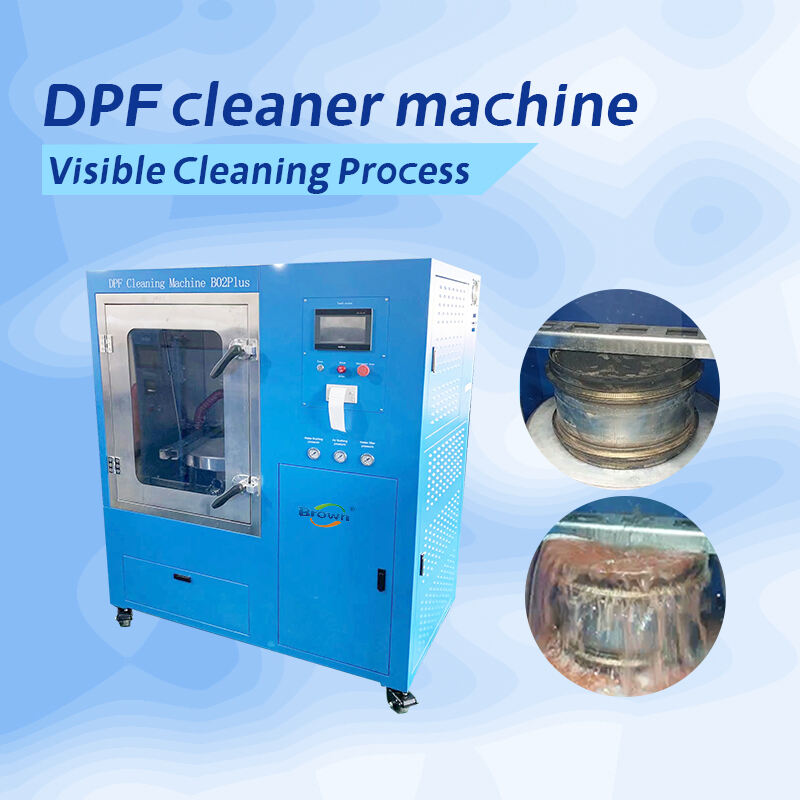
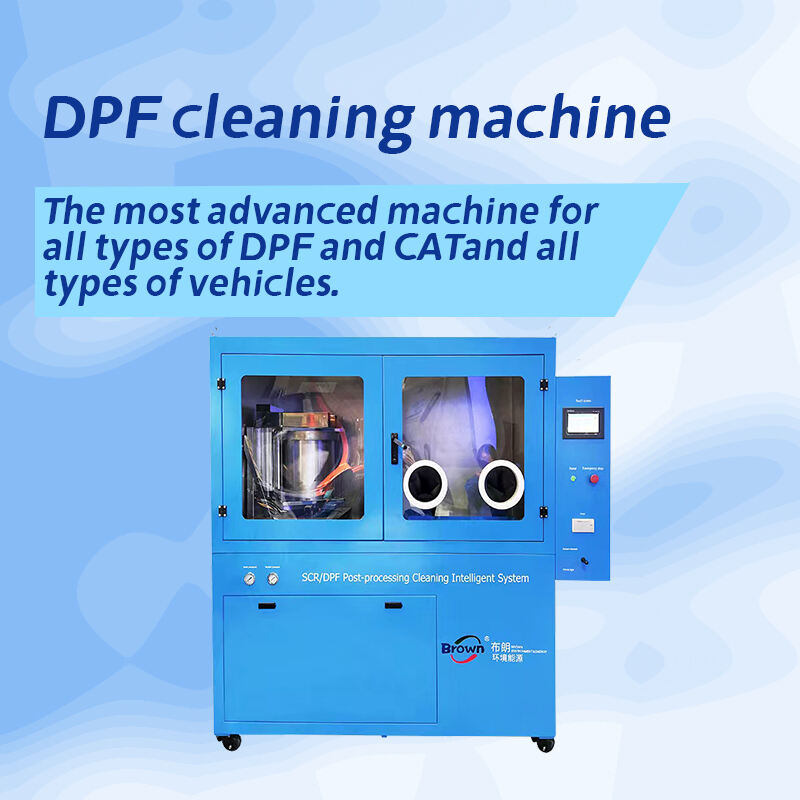
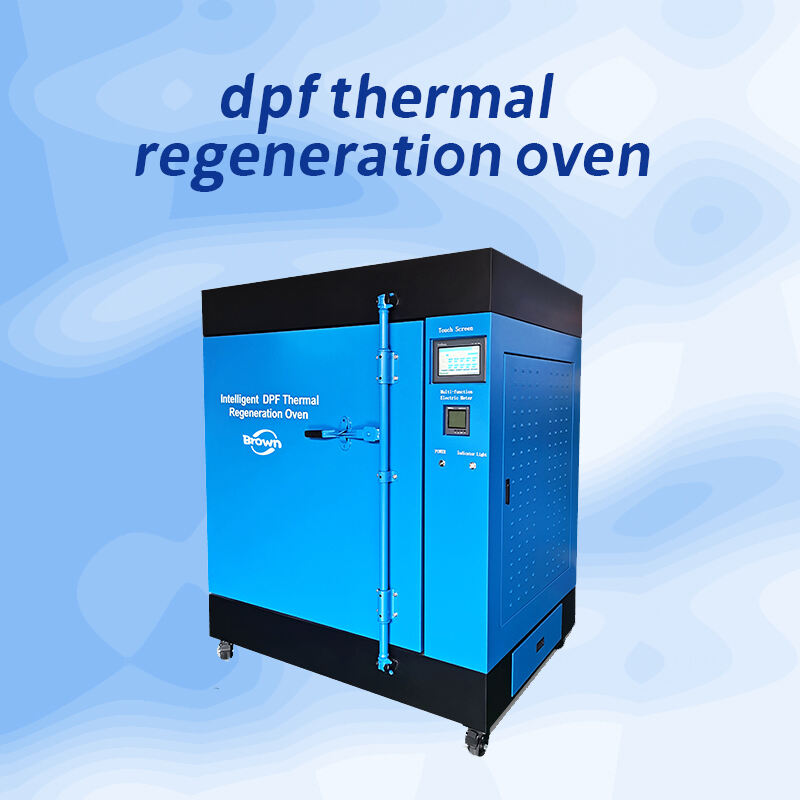
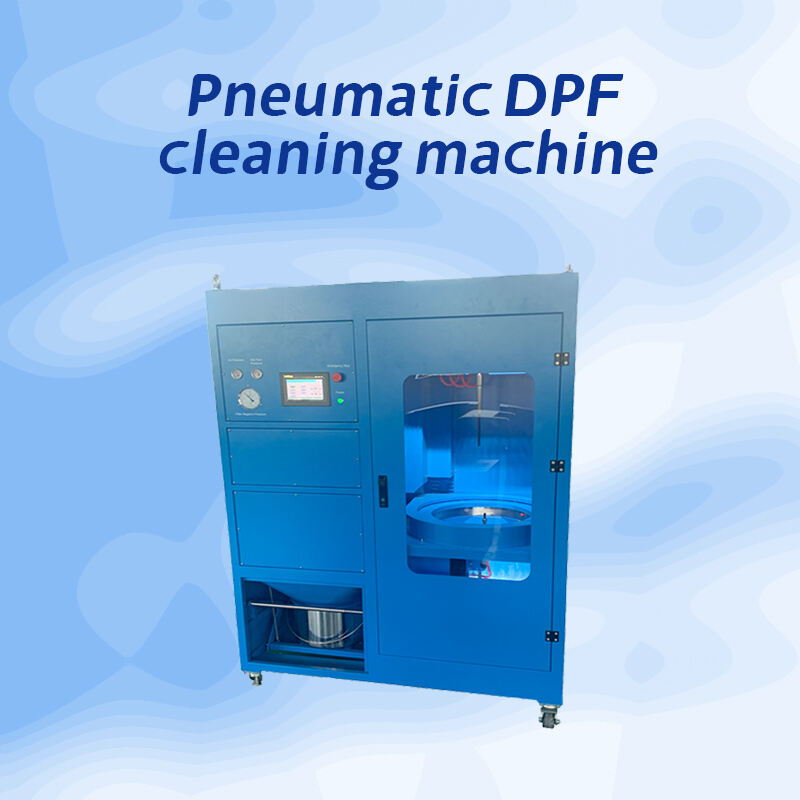
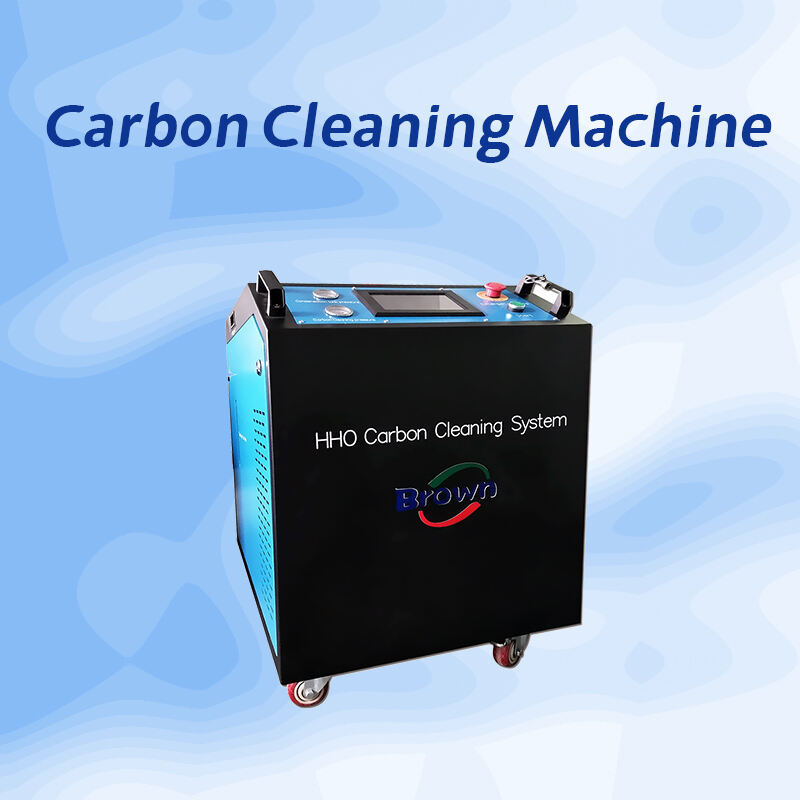
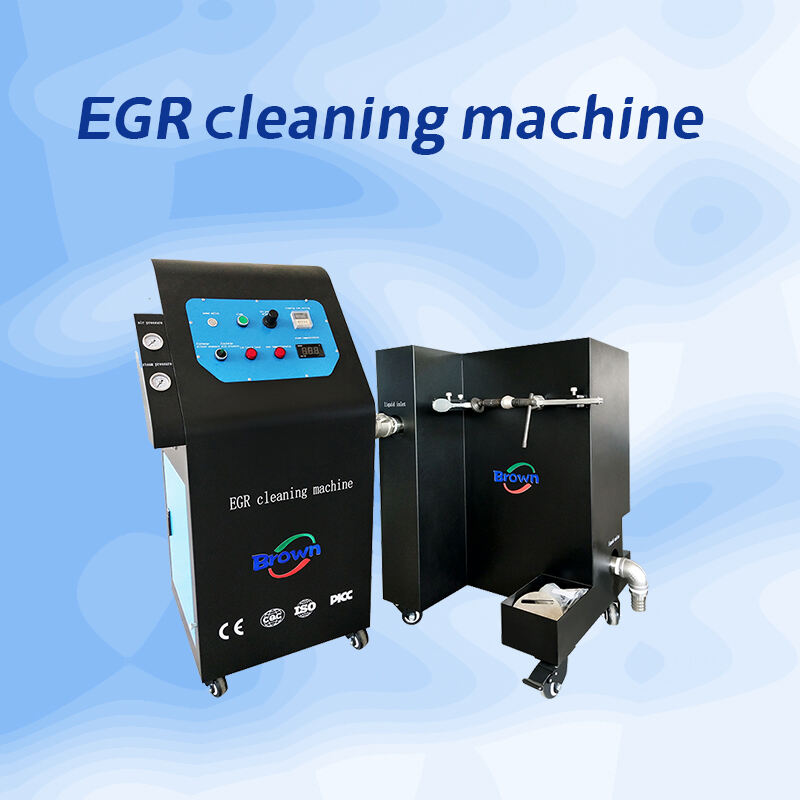
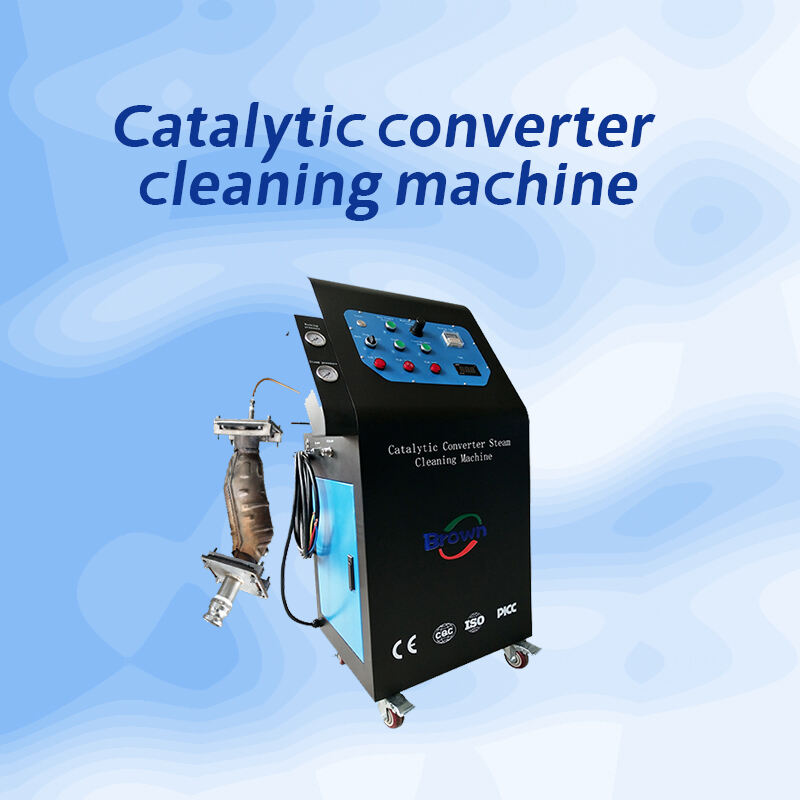

In the context of engine carbon cleaning, the focus is on restoring engine efficiency and reducing environmental impact through non-invasive methods. Carbon buildup, primarily from unburned hydrocarbons, can cause issues like reduced compression and increased tailpipe emissions. Cleaning machines often use hydrogen-based systems that produce a fine mist to scrub internal components, resulting in smoother operation and lower noise levels. Application scenarios extend to agricultural equipment and generators, where downtime is costly; for instance, a farm in Australia reported a 25% increase in tractor efficiency and a 30% reduction in smoke output after carbon cleaning. The industry is evolving with future trends like the integration of machine learning algorithms to customize cleaning cycles based on engine type and usage patterns. Recent big events include international conferences where studies demonstrated carbon cleaning's role in meeting Paris Agreement targets by cutting particulate matter emissions by up to 50%. Market data from Statista highlights that the automotive aftermarket for emission control devices will grow by 7% annually, with carbon cleaners being a key segment. Surveys indicate that 70% of mechanics prefer these machines over traditional methods like chemical additives due to higher success rates. Browne Equipments, with its patented nozzle designs and CE certification, offers solutions that include data logging capabilities, allowing users to track improvements such as a 10-15% rise in fuel economy post-treatment. Their machines have been validated in industrial settings, showing a return on investment within six months for high-mileage vehicles, thus promoting widespread use in commercial and personal transportation sectors.
