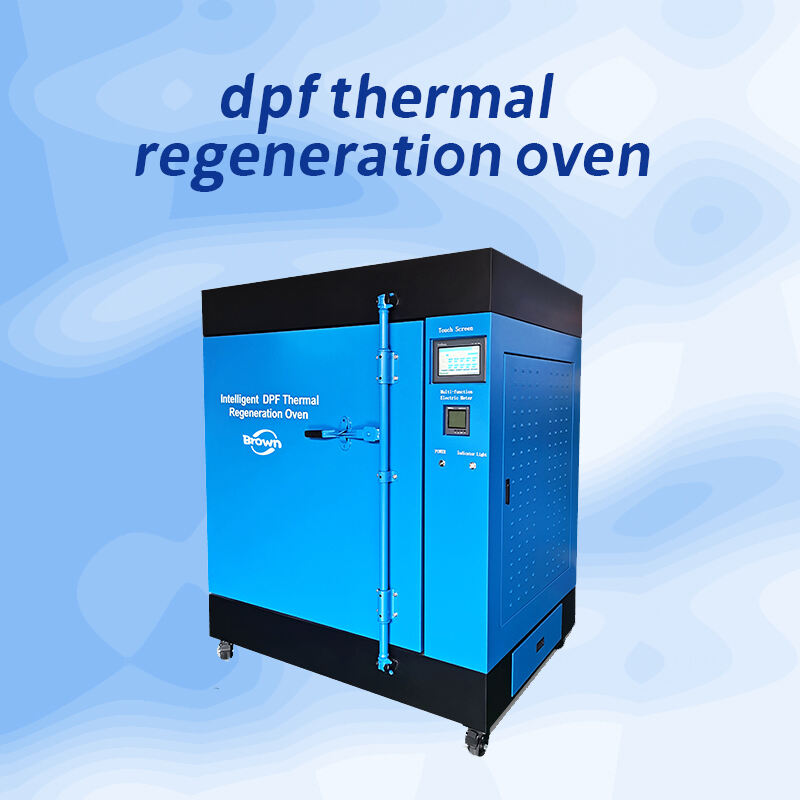
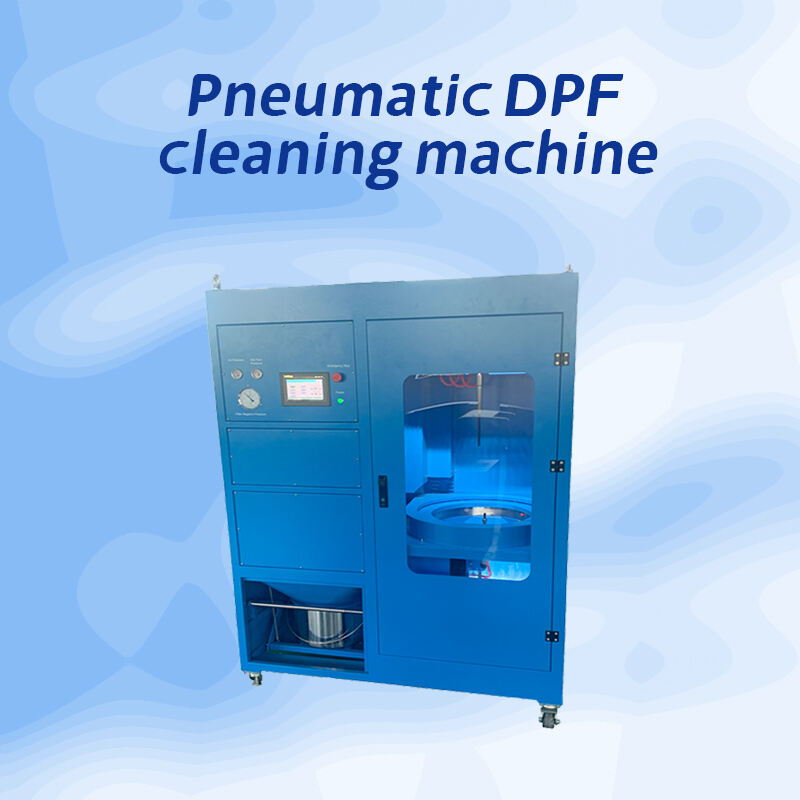
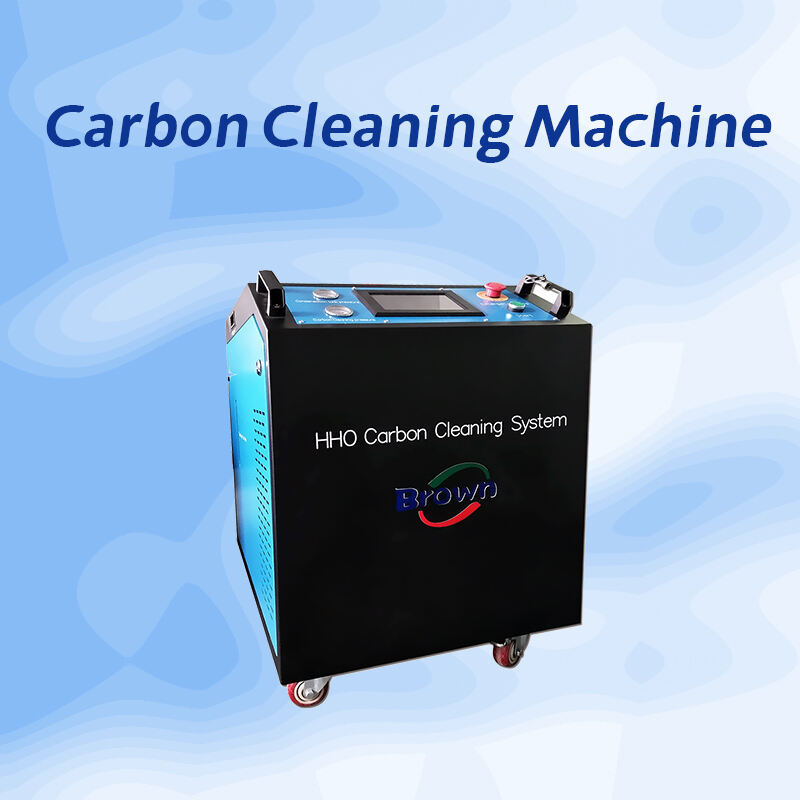
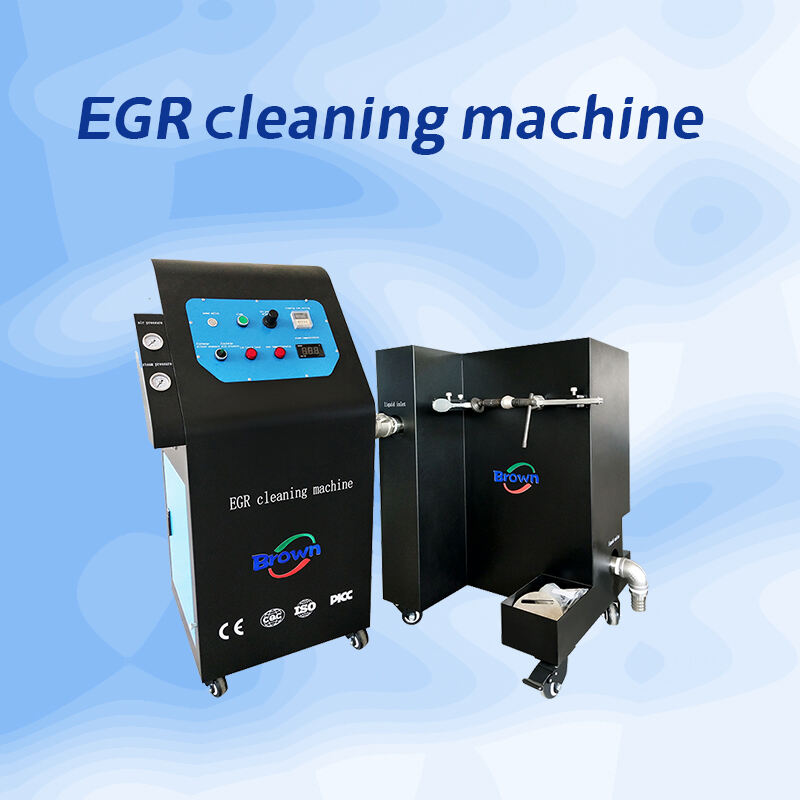
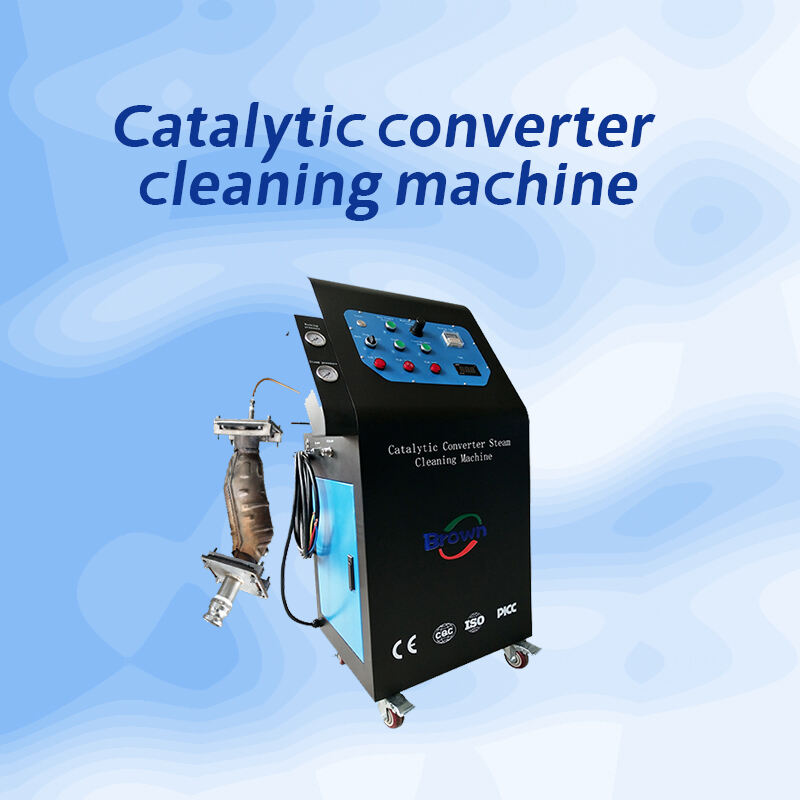

The technological evolution of engine carbon cleaning has transformed it from a niche service into a mainstream automotive maintenance essential. The core challenge of carbon buildup is exacerbated by modern engine designs that prioritize fuel efficiency, often leading to lower combustion temperatures that promote carbon formation, especially in gasoline direct injection (GDI) and turbocharged diesel engines. Professional-grade carbon cleaning machines address this by employing a multi-faceted approach. Beyond hydrogen decarbonization, some systems incorporate pneumatic pulsation or specialized chemical solvents designed to dissolve specific types of deposits. The application process is methodical, involving connecting the machine to the vehicle's intake and, in some systems, to the fuel rail, to clean both the intake tract and the fuel injection system simultaneously. This comprehensive cleaning is crucial for restoring lost engine performance and drivability. A compelling application scenario is found in the commercial transport sector. A large logistics company in North America, operating a fleet of heavy-duty trucks, integrated carbon cleaning into its preventive maintenance program. After treating over 200 vehicles, they reported aggregate data showing a 5.7% average improvement in miles per gallon, which translated to annual fuel savings exceeding $150,000. Additionally, they observed a 60% decrease in incidents related to clogged EGR valves and diesel particulate filter (DPF) regenerations, significantly reducing unscheduled downtime. The future of this industry is inextricably linked to the broader automotive landscape. While the electric vehicle (EV) market is expanding, the vast existing base of internal combustion engine vehicles, including hybrids, ensures a sustained demand for advanced maintenance technologies. The trend is towards smarter, more automated equipment. Future carbon cleaning machines will likely feature AI-driven diagnostics that analyze engine control unit (ECU) data to customize the cleaning intensity and duration for each specific engine model and condition. A recent major industry event was the publication of a study by the International Council on Clean Transportation (ICCT), highlighting the role of aftermarket maintenance, including carbon cleaning, in achieving real-world emission reductions from in-use vehicles, thereby influencing policy discussions. Market research from MarketsandMarkets indicates that the automotive engine cleaning product and service market is poised to reach $4.5 billion by 2027, with the Asia-Pacific region being the fastest-growing market due to its massive vehicle population. Browne Equipments, with its complete in-house production line encompassing electric wiring, programming, and rigorous testing, ensures that every unit delivers high performance and reliability. Their technical services team provides extensive training, enabling clients to effectively utilize the equipment and interpret performance data, such as the common 10-15% restoration in engine compression readings post-cleaning, thereby solidifying their reputation in both domestic and international markets.
