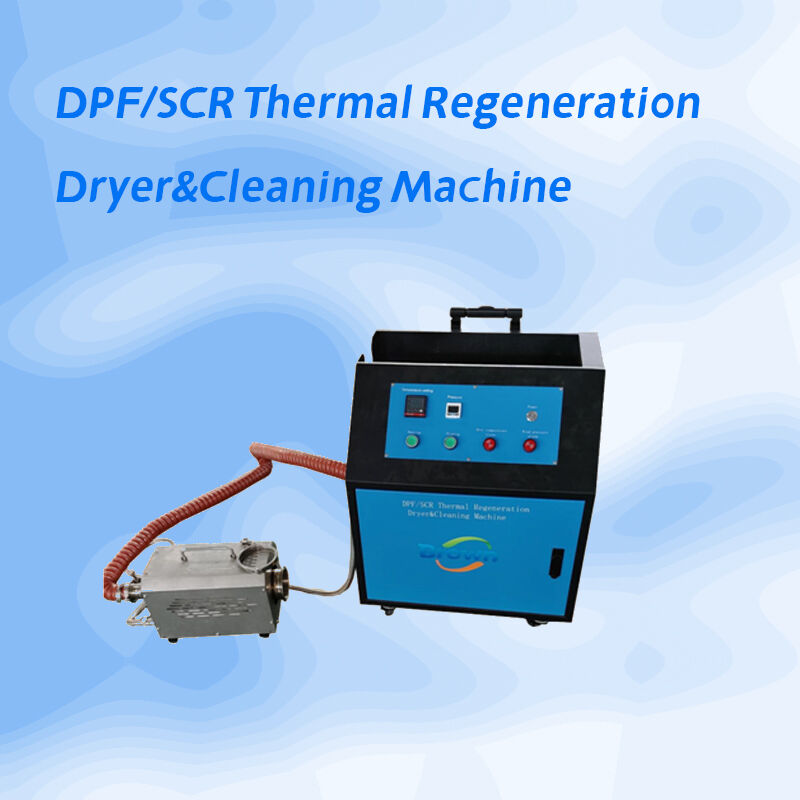
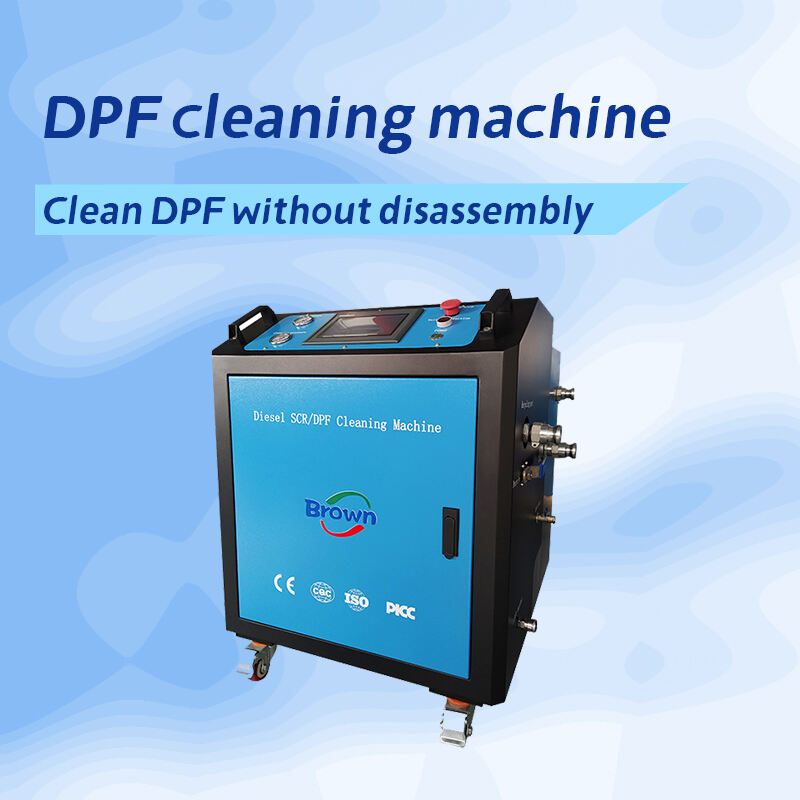
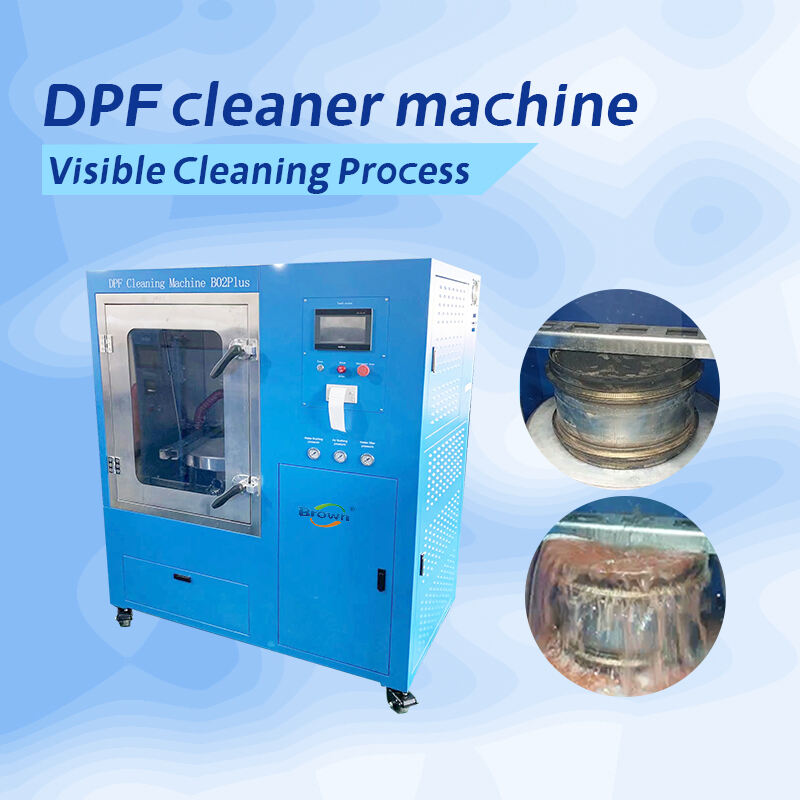
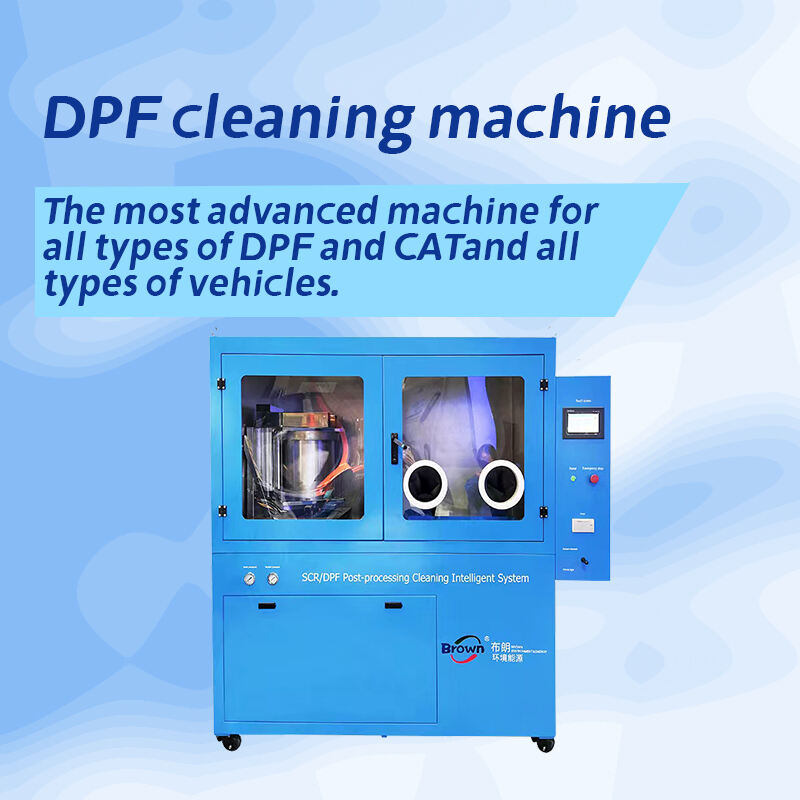
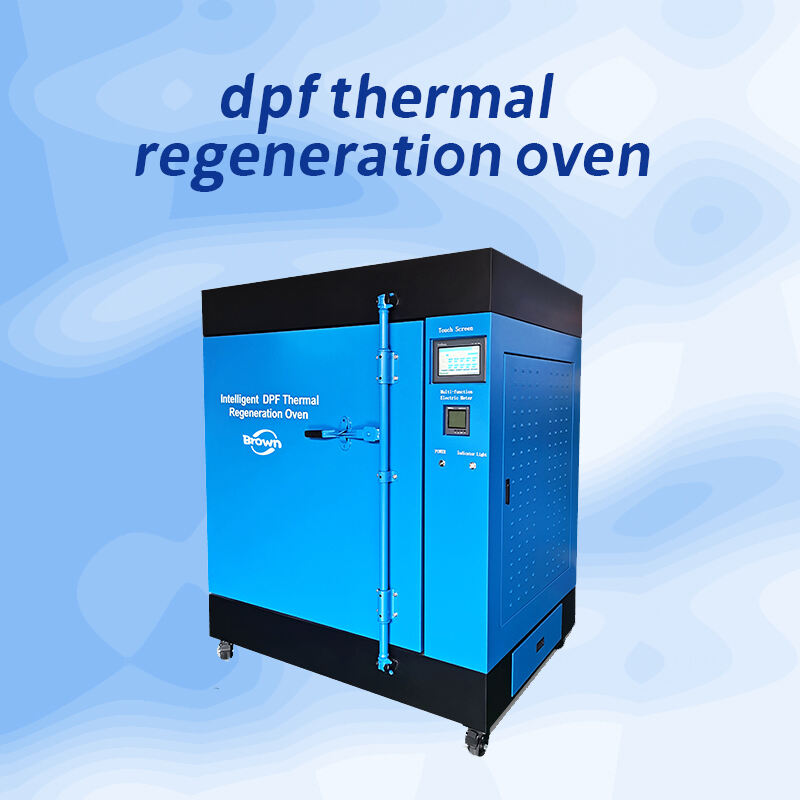
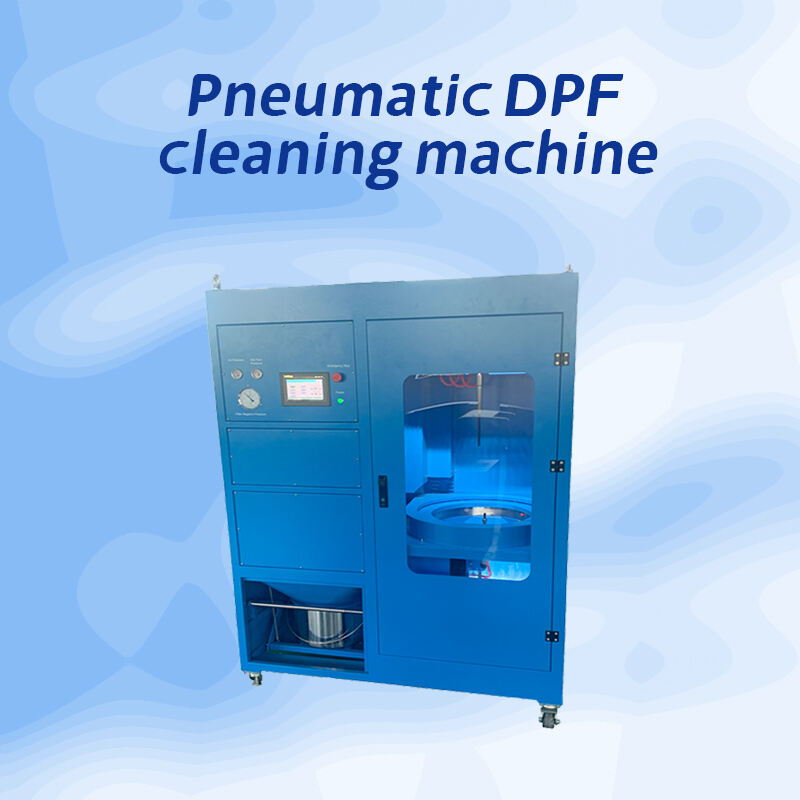
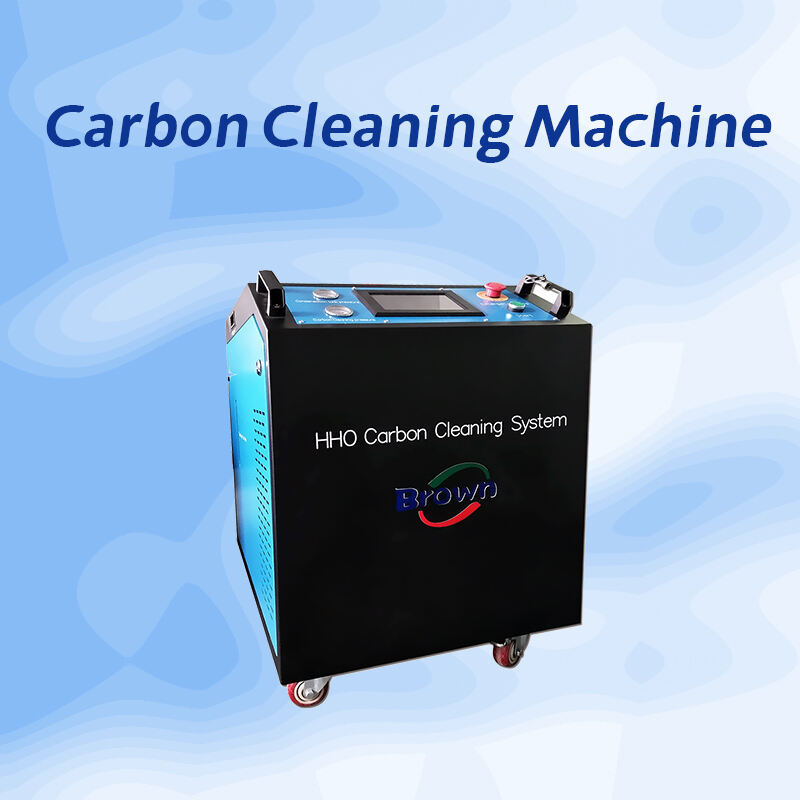
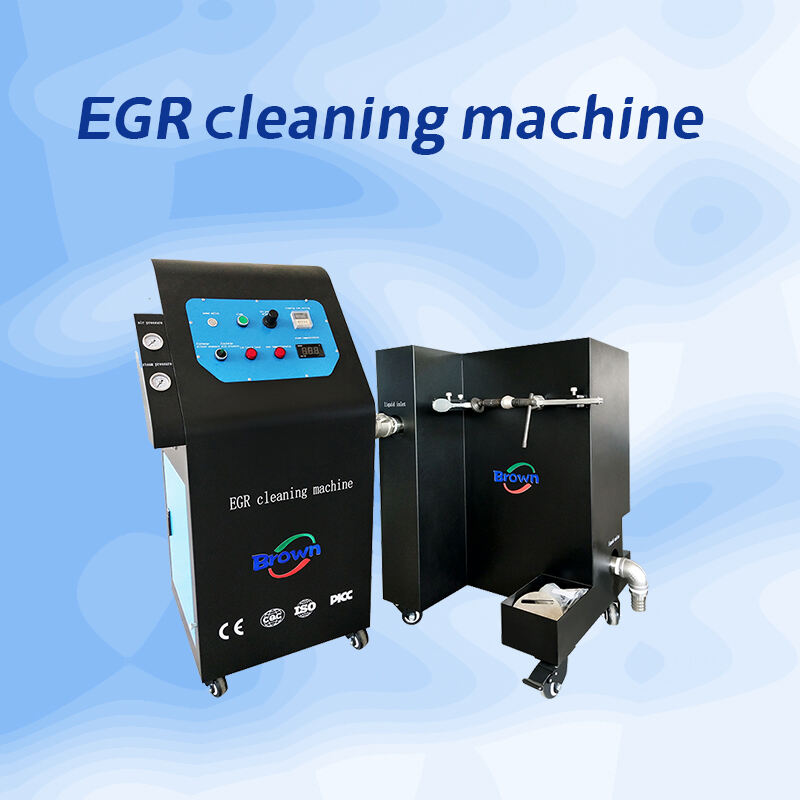
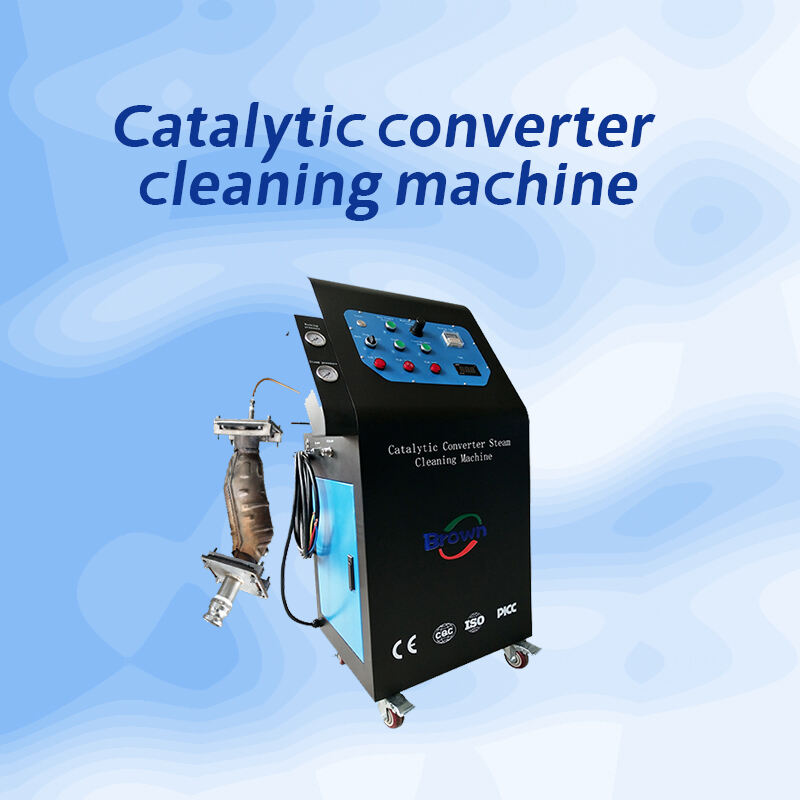

The application of engine carbon cleaners spans various sectors, including automotive repair, marine engines, and industrial machinery, where carbon accumulation poses significant operational challenges. These machines operate by generating reactive gases, such as hydrogen or ozone, that penetrate engine systems to dissolve and remove carbon sludge, improving combustion efficiency and reducing pollutant output. In real-world scenarios, auto service centers use these devices during routine maintenance to address issues like poor acceleration and high fuel consumption; for example, a case study in North America showed that after carbon cleaning, a fleet of delivery trucks achieved a 12% boost in horsepower and a 18% decrease in nitrogen oxide emissions. The technology aligns with global environmental trends, such as the push for net-zero emissions, by enabling compliance with regulations like the U.S. Clean Air Act. Industry future trends highlight the adoption of automated, user-friendly systems with touchscreen interfaces and cloud-based data analytics, facilitating seamless integration into smart workshops. Recent big events include expos where innovations in carbon cleaning for hybrid engines were showcased, reflecting adaptations to the evolving automotive landscape. Data from industry surveys reveal that over 60% of repair shops now incorporate carbon cleaning as a standard service, driven by customer demand for eco-friendly solutions. Market analysis projects a compound annual growth rate of 5.8% through 2027, with Europe leading due to strict CO2 targets. Browne Equipments, with its comprehensive R&D and testing protocols, offers machines that feature real-time performance metrics, ensuring clients can achieve up to 30% longer engine lifespan, as validated by third-party studies, thereby supporting sustainable practices across transportation and manufacturing industries.
