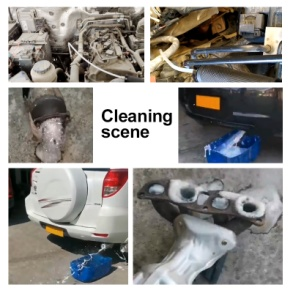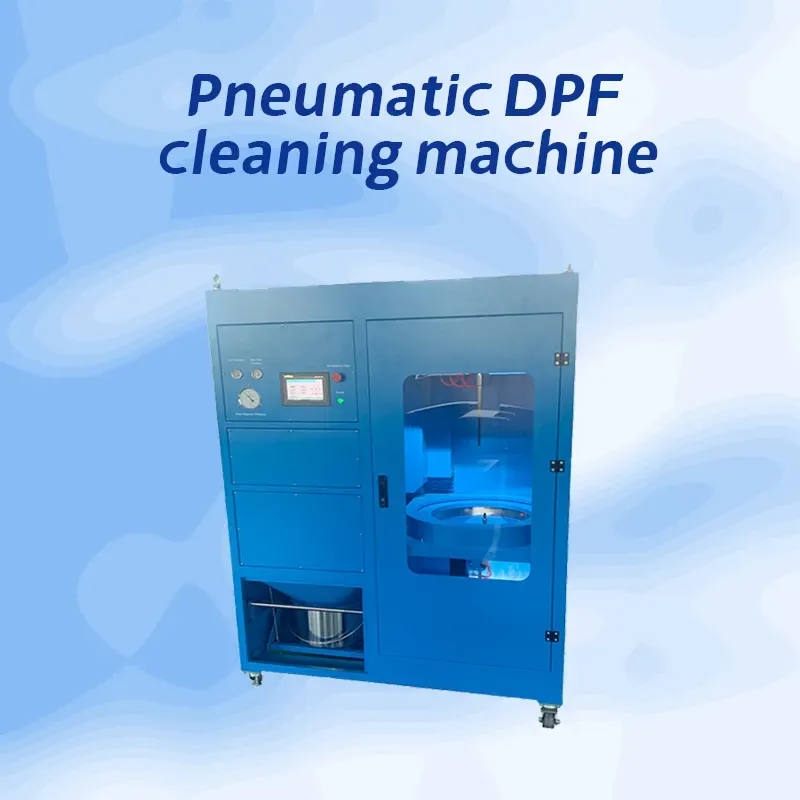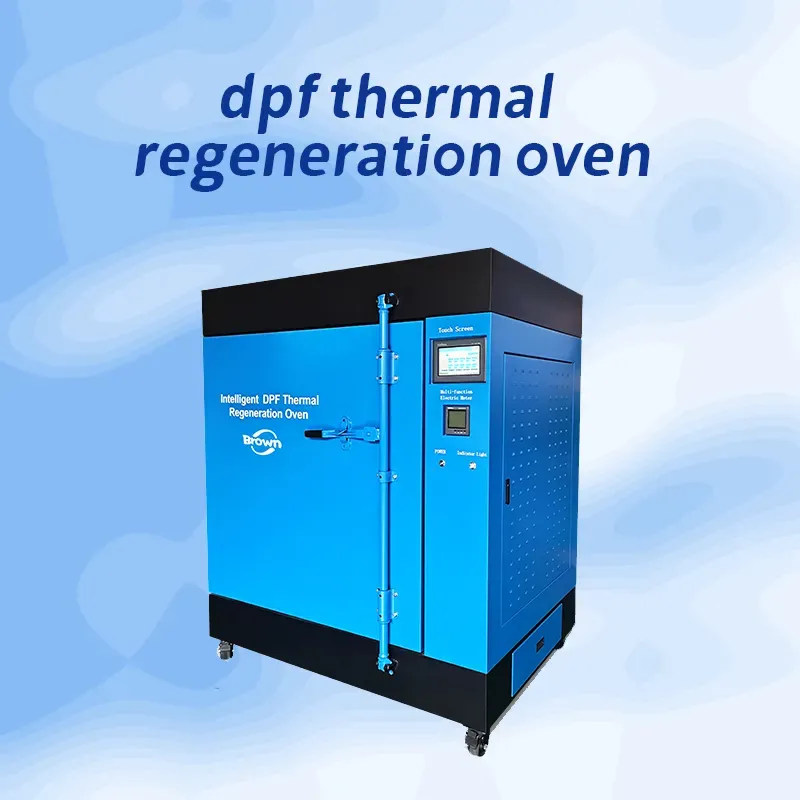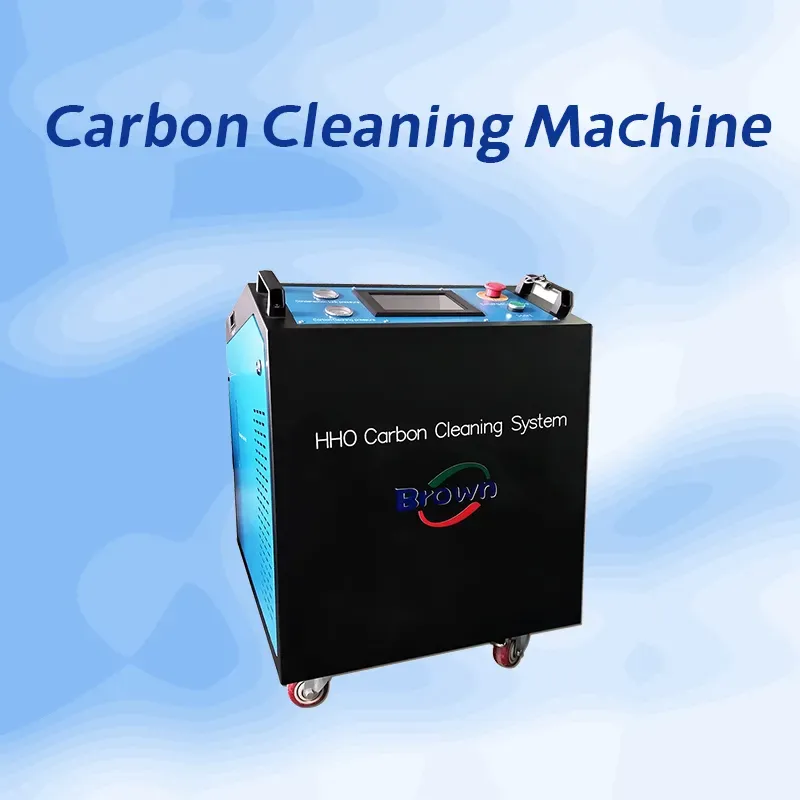
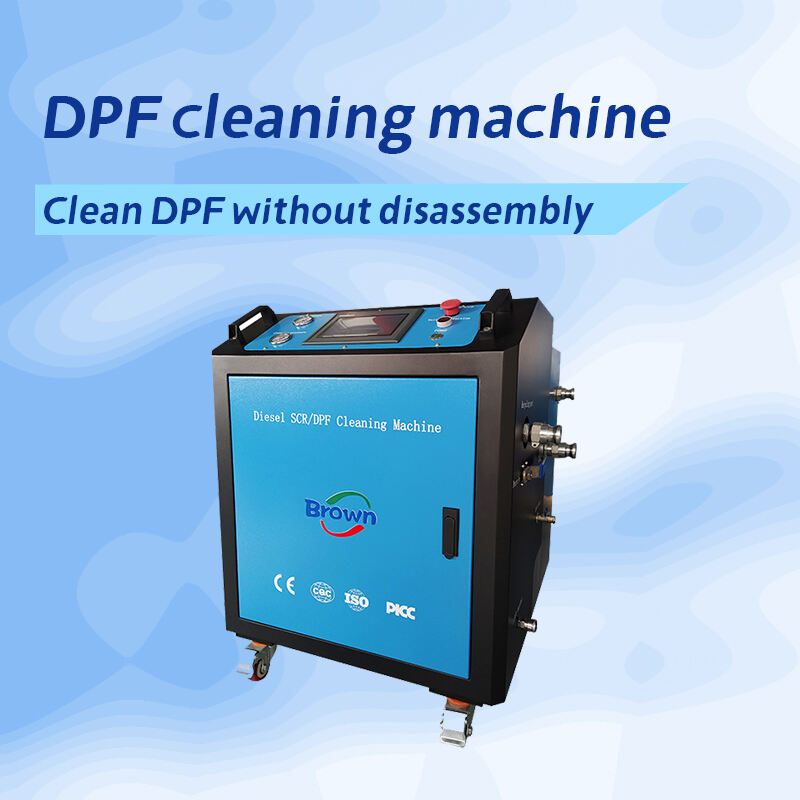
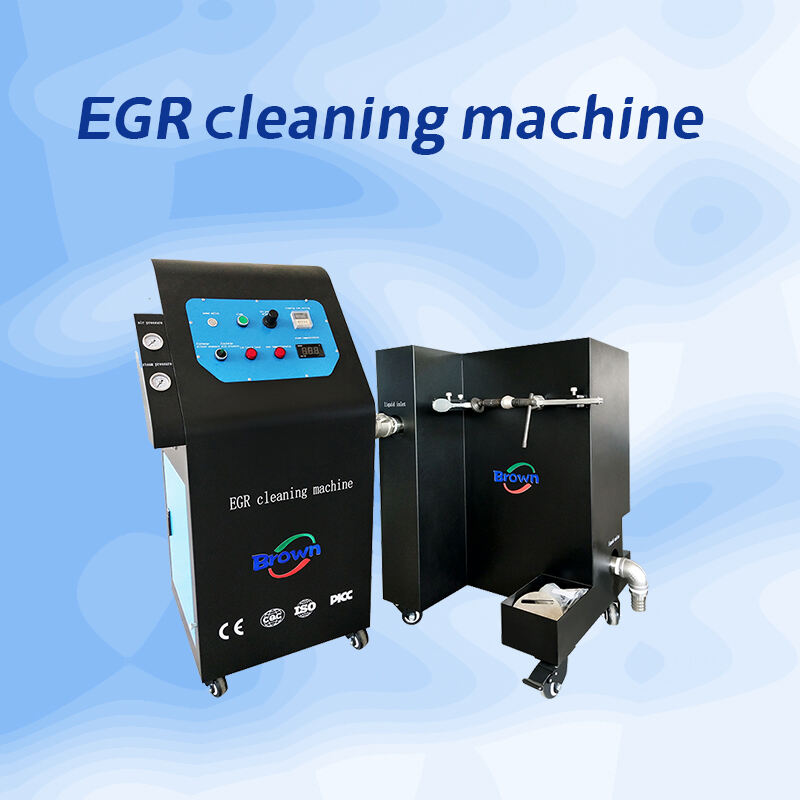
Engine carbon cleaning has established itself as a cornerstone of modern preventive automotive maintenance, offering a non-invasive alternative to mechanical dismantling. The accumulation of carbon is an inevitable byproduct of combustion, but its rate is accelerated by factors such as short-trip driving, low-quality fuel, and engine oil vapor entering the intake system (common in turbocharged engines). Professional carbon cleaning equipment counteracts this by performing a deep clean that reaches areas inaccessible through traditional methods. The procedure is efficient, typically taking between 30 to 60 minutes, and can be performed without removing engine components, thereby minimizing labor costs and the risk of reassembly errors. This makes it an economically attractive service for both service providers and vehicle owners. An illustrative application scenario is within the public transportation sector. A municipal bus service in a major Asian city, struggling with frequent breakdowns and excessive smoke emissions from its aging diesel bus fleet, implemented a scheduled carbon cleaning regimen. After six months, their maintenance data revealed a 40% reduction in unscheduled maintenance events related to the fuel and emission systems. Furthermore, onboard telematics data confirmed a 7.5% improvement in average fuel economy across the treated fleet, resulting in substantial operational cost savings and a notable improvement in urban air quality. The industry's future is bright, with trends pointing towards greater integration with vehicle diagnostics. The next wave of carbon cleaning machines will likely be capable of bidirectional communication with the vehicle's ECU, not only reading fault codes and live data but also actively triggering forced DPF regenerations or adapting fuel trims post-cleaning for optimal results. A significant recent industry development was the inclusion of carbon cleaning as a recommended service procedure in the technical bulletins of several European car manufacturers for models experiencing specific drivability issues. Analytically, the global demand for vehicle maintenance and repair services is projected to exceed $1 trillion by 2030, with emission-related services capturing a growing share. Browne Equipments' philosophy of integrating R&D, technical services, and sales ensures a holistic approach to product development. Their machines are designed with the end-user in mind, featuring multi-language interfaces and simplified connection kits for popular vehicle models. Data collected from their global client base shows that workshops incorporating Browne Equipments' carbon cleaner into their service menu can increase their average repair order value by 15-20%, as the service often leads to the identification and sale of other necessary maintenance work, thereby enhancing overall workshop profitability and customer satisfaction.